


 Countries Tighten Social Media Bans for Children
  Israel Strikes Southern Lebanon After Hezbollah Drone Attack
  Putin Meets US Envoys in Moscow as Ukraine Peace Push Intensifies
  Putin Holds ‘Highly Useful’ Ukraine Peace Talks With Trump Envoys
  Trump Orders Reduction in U.S.-South Korea Military Drills, Citing Kim Jong Un Ties
  FCC Steps Up China Tech Crackdown as Beijing Pushes Back
  European Stocks Flat as Iran Tensions, ECB Rate Hike Loom
  US Tightens Cuba Sanctions, Targets Officials and State Entities
  Guatemala Receives 2,300 Mexicans Deported From US
  Texas Republicans Turn Against AI Data Centers as Election Backlash Grows
  SEC Sues Former Tricolor Executives Over $1.9 Billion Investor Fraud Scheme
  Trump Imposes New Tariffs on Drone Imports Over US Security Concerns
  US Sailor’s Father Detained by Immigration Authorities
  Trump Administration Pauses Visa Appointments Worldwide
  Trump Grants Clemency to Jay-Z Associate Emory Jones
  OPEC+ Expected to Hold October Oil Output Steady
  New Zealand Moves to Ban Social Media for Children Under 16


 Homebuyer Plan Amid Housing Affordability Debate - EconoTimes)


 Add as a preferred source on Google
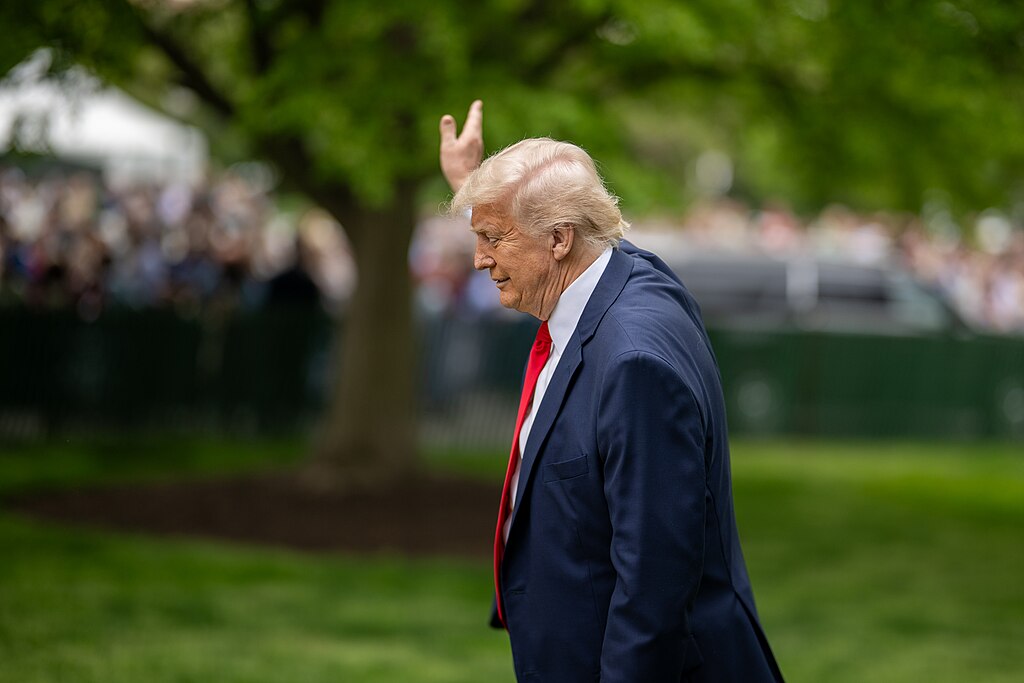
U.S. President Donald Trump has expressed reservations about a proposal floated by his own administration that would allow Americans to tap into their 401(k) retirement savings to help fund down payments on homes. Speaking to reporters aboard Air Force One on Thursday, Trump said he was “not a huge fan” of the idea, even though it was recently promoted by his chief economic adviser, Kevin Hassett.
Hassett told Fox Business Network last week that the Trump administration was considering policy changes that would let individuals withdraw money from their 401(k) accounts to finance home purchases. The proposal was positioned as a way to boost homeownership at a time when high mortgage rates and elevated home prices have locked many potential buyers out of the housing market. Trump, however, emphasized that he prefers Americans keep their retirement savings invested, noting that 401(k) accounts have been performing strongly.
“One of the reasons I don’t like it is that their 401(k)s are doing so well,” Trump said, adding that retirement accounts are currently outperforming the housing market. U.S. stock markets posted significant gains last year, with the S&P 500 rising 16.39% and the Nasdaq Composite climbing more than 20%, reinforcing Trump’s view that retirement funds should remain untouched.
As Trump prepares for potential losses in upcoming congressional elections amid economic uncertainty and rising cost-of-living concerns, housing policy has become a central focus of his agenda. He has made boosting homeownership rates and lowering borrowing costs key priorities. Earlier this week, Trump signed an executive order aimed at limiting large institutional investors from competing with individual buyers in residential real estate, a move designed to ease housing affordability pressures.
In recent weeks, Trump has also directed the Federal Housing Finance Agency to purchase $200 billion in bonds issued by Fannie Mae and Freddie Mac, with the goal of driving mortgage rates lower. He has repeatedly urged the U.S. Federal Reserve to cut its benchmark interest rates, arguing that lower rates would help revive housing demand.
Despite these efforts, analysts caution that affordability challenges are not solely driven by interest rates. Housing inflation remains elevated, and many economists argue that a chronic shortage of supply is the core problem. Without changes to zoning laws and construction regulations, lower rates could simply increase demand and push home prices even higher. Investors continue to monitor policy shifts closely, as any meaningful changes could influence housing market activity and mortgage application volumes in the months ahead.







