U.S. President Donald Trump cast doubt on defending NATO allies if they fail to meet defense spending obligations. Speaking in the Oval Office, Trump stated, “If they don’t pay, I’m not going to defend them,” emphasizing his long-held stance that allies should contribute more.
During his 2017-2021 term, Trump pressured NATO members to increase spending, which he claims led to improvements, but he insists it remains insufficient. He also questioned whether nations like France would protect the U.S. in a crisis, adding, “They’re supposed to, but I’m not so sure.”
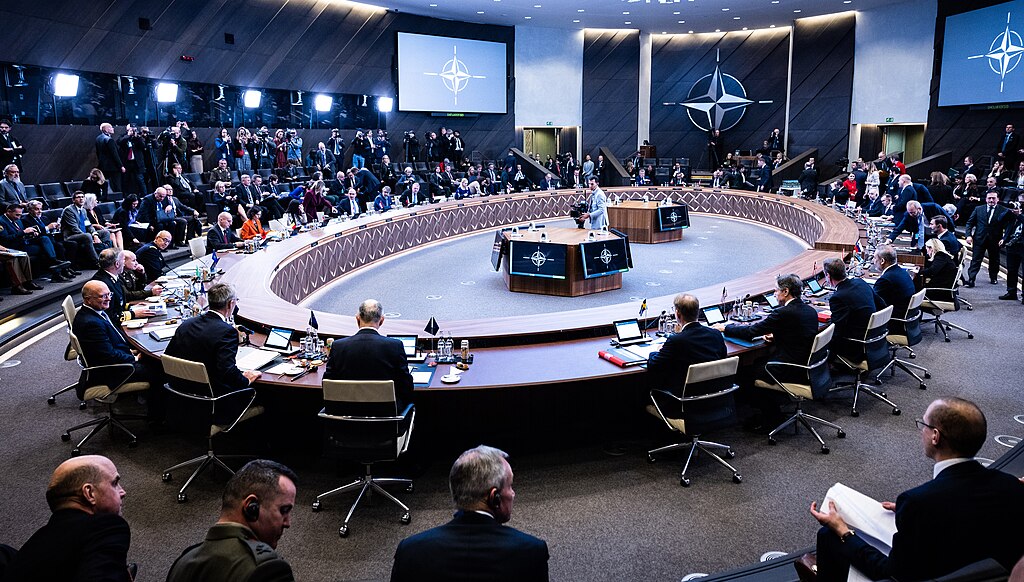
His remarks alarmed European leaders, prompting renewed commitments to defense spending. NATO Secretary General Mark Rutte reassured allies of continued U.S. involvement while stressing Europe’s responsibility to contribute more. French President Emmanuel Macron reminded that European nations, including France, stood by the U.S. in Afghanistan after 9/11.
Trump also criticized NATO on trade issues, calling the alliance "potentially good" if financial imbalances were addressed. He extended his skepticism to the U.S.-Japan alliance, highlighting its one-sided defense obligations. “We have to protect them, but they don’t have to protect us,” he said, questioning past agreements.
While Japan has historically limited military involvement, reforms now allow it to aid the U.S. under certain circumstances. Nicholas Szechenyi of the Center for Strategic and International Studies noted Trump’s remarks were “technically inaccurate.”
Trump’s comments reignite concerns about U.S. security commitments, especially as global tensions rise. His stance could reshape alliances, pushing NATO and other partners to reassess their roles in collective defense.