


 US Officials Meet Houthis in Oman Amid Yemen Offensive
  Mexico Pushes for US Trade Deal Before Midterms
  Paris Talks Focus on Lebanon Army Needs as UNIFIL Exit Looms
  FBI, Coast Guard Board Ships After Cyberattacks
  Yemen Fighting Threatens Red Sea Oil Routes
  Australia Plans New Rules Giving Users Control Over Social Media Feeds
  US Immigration Arrests Surge as Deportations Lag Behind
  FDA Names Permanent Drug and Biologics Center Chiefs
  France Urges Faster AI Push Despite Safety Risks
  Trump Administration Removes Confederate Memorial Criticism From Arlington Website
  Pentagon Restarts Testosterone Testing for US Troops
  Appeals Court Rejects Trump Third-Country Deportation Policy
  Bessent Presses Japan on Fiscal Policy as Yen Struggles
  US Delegation Visits Myanmar, Secures Release of American Adam Castillo
  U.S. Imposes New Visa Restrictions Over South Africa Policies
  Who should own the knowledge that underpins AI technology?
  US Allies Fear Trump Could Soften Taiwan Stance in Xi Talks


 Add as a preferred source on Google
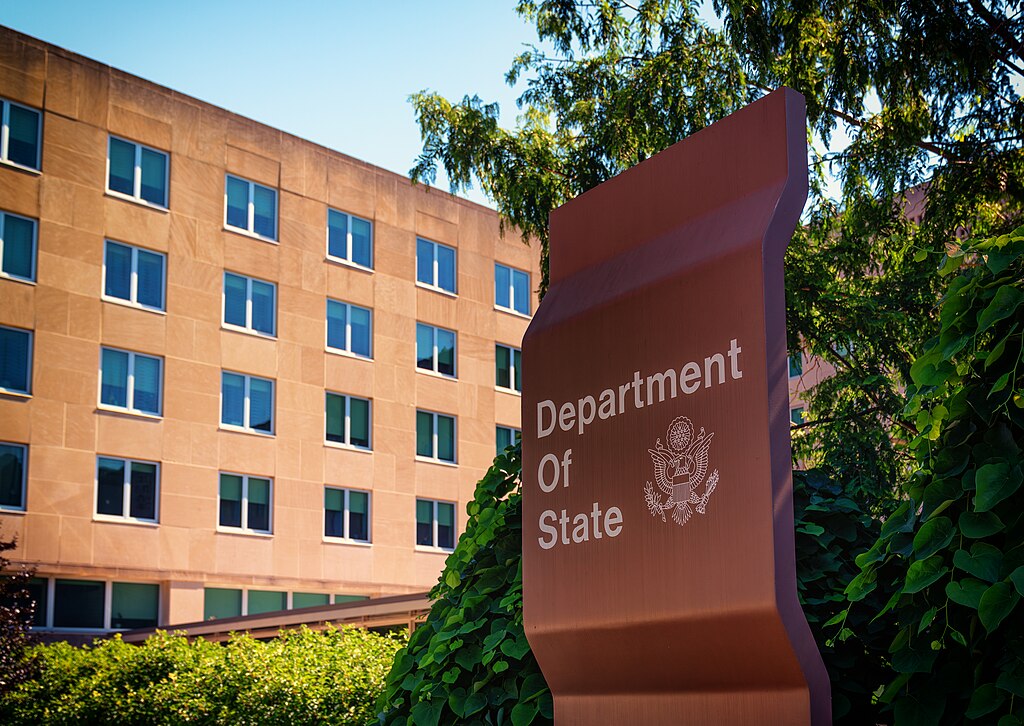
The Trump administration has mandated social media vetting for all U.S. visa applicants who have traveled to the Gaza Strip since January 1, 2007, according to an internal State Department cable obtained by Reuters. This directive affects both immigrant and non-immigrant visa seekers, including NGO workers and diplomats who visited the region in any official capacity.
The cable, signed by U.S. Secretary of State Marco Rubio, instructs consular officers to review applicants’ social media activity for any potential security concerns. If concerning information is found, a Security Advisory Opinion (SAO) must be submitted for further interagency review. The policy was distributed to all U.S. diplomatic and consular missions worldwide.
This decision aligns with the Trump administration's broader efforts to strengthen immigration scrutiny under a 1952 law, which permits visa revocation if an immigrant is deemed harmful to U.S. foreign policy. Secretary Rubio stated in March that over 300 visas had already been revoked.
The State Department declined to comment on the leaked cable but reiterated its commitment to rigorous security screening. "Visa applicants undergo extensive interagency vetting throughout the entire application process," a spokesperson said, emphasizing the continuous monitoring of visa holders.
Critics argue the policy infringes on First Amendment rights, particularly targeting students and activists who support Palestinians or criticize Israel’s actions in Gaza. In one high-profile case, Rumeysa Ozturk, a Turkish student at Tufts University, was detained by U.S. agents, prompting backlash over freedom of speech violations.
Rubio defended the policy, stating, “Every time I find one of these lunatics, I take away their visas,” warning that more revocations are imminent. The directive highlights escalating tensions around U.S. visa policies amid the Gaza conflict and growing global scrutiny.







