


 Supertanker Orders Surge as US-Iran War Reshapes Oil Trade
  US Officials Meet Houthis in Oman Amid Yemen Offensive
  Jazz Ensemble Cancels Kennedy Center New Year’s Eve Shows After Trump Renaming Sparks Backlash
  Syngenta Files for Hong Kong IPO, Eyes $5 Billion Raise
  US Court Approves airBaltic Chapter 11 Restructuring
  Tennessee Plans to Rename Nashville Airport After Dolly Parton
  ICE Agent Arrested in Minneapolis Over Venezuelan Man Shooting
  BHP Port Hedland Wage Dispute Heads to Arbitration
  American Airlines Eyes Capacity Cuts as High Fuel Prices Persist
  SK Hynix, Intel Discuss U.S. Memory Chip Production Deal
  US Federal Register Drops Alibaba Qwen AI Search Tool
  France Urges Faster AI Push Despite Safety Risks
  Paramount Skydance Clears Regulatory Hurdles for Warner Bros. Discovery Deal
  Pentagon Restarts Testosterone Testing for US Troops
  Squid Game Finale Boosts Netflix Earnings, But Guidance Disappoints Investors
  Berkshire Hathaway Eyes Bigger Stakes in Japan’s Top Trading Houses
  Meta CEO Zuckerberg Backs Independent AI Safety Reviews Over Development Slowdown


 Add as a preferred source on Google
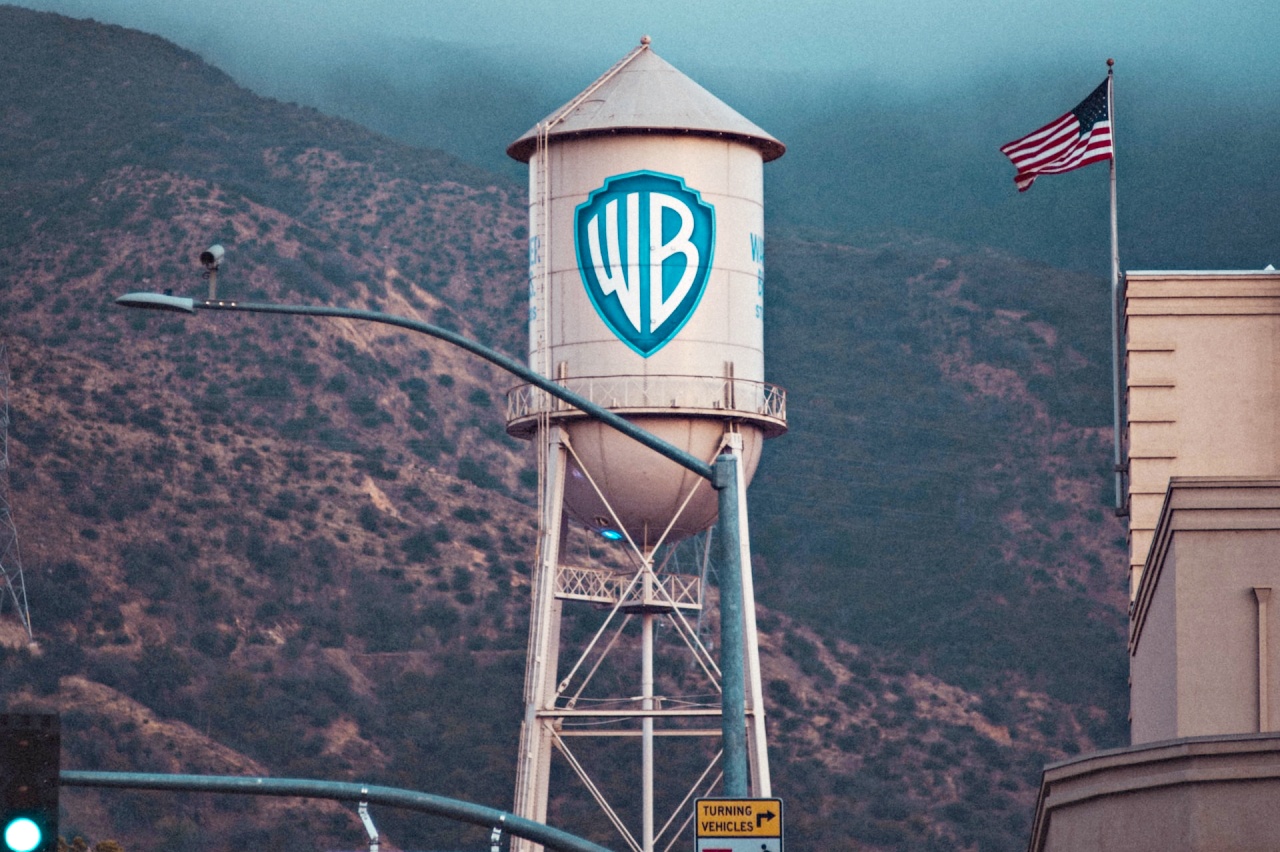
U.S. President Donald Trump indicated on Sunday that he expects to play a direct role in determining whether the proposed merger between Netflix and Warner Brothers will move forward, raising new questions about regulatory scrutiny surrounding one of the entertainment industry’s biggest potential deals. Speaking to reporters as he arrived at the Kennedy Center for its annual awards ceremony, Trump said he believes the size and influence of the combined company could create concerns about market concentration and competition.
His comments followed Netflix’s announcement on Friday that it had reached an agreement to acquire Warner Bros Discovery’s television, film studio, and streaming assets in a massive $72 billion deal. If approved, the acquisition would give Netflix control over highly valuable entertainment properties, significantly expanding its reach in Hollywood and strengthening its position in the global streaming market. Industry analysts have already noted that the merger could reshape the competitive landscape by merging a leading streaming giant with one of the most iconic content producers in the world.
Although Trump did not express a clear stance on whether the merger should ultimately be approved, he emphasized that the potential dominance of the merged entity could draw regulatory attention. “That’s going to be for some economists to tell… But it is a big market share. There’s no question it could be a problem,” he said, suggesting that antitrust regulators may need to evaluate whether the deal poses risks to fair competition, consumer choice, or media diversity.
With the entertainment industry already undergoing rapid consolidation, this proposed merger is likely to face intense examination in Washington. Trump’s assertion that he will be “involved in that decision” underscores the political significance of the deal and signals that federal oversight could play a decisive role in determining its outcome. As the regulatory review process unfolds, both companies and industry observers are preparing for what could become one of the most consequential media rulings in years.







