


 Brazil Court Suspends Sigma Lithium Mine Operations
  Google Changes EU Spam Policy Amid Antitrust Scrutiny
  Nvidia Eyes $2.5 Billion Investment in Thinking Machines Lab
  Guatemala Receives 2,300 Mexicans Deported From US
  Trump Orders Major Overhaul of US Navy Shipbuilding
  Volkswagen Approves 50,000 More Job Cuts in Major Restructuring
  Adobe Names Anil Chakravarthy CEO as AI Push Accelerates
  Spire Healthcare Shares Jump on £1.03 Billion Takeover Deal
  U.S. Issues Cuba Health Alert as Illnesses Rise
  Trump Imposes New Tariffs on Drone Imports Over US Security Concerns
  Trump Administration Moves to Strip ABA of Law School Accreditor Status
  Trump Grants Clemency to Jay-Z Associate Emory Jones
  Anthropic IPO Marketing Expected to Start in Mid-October
  Trump Targets 1,000 U.S. Space Launches Annually by 2030
  MediaTek Shares Jump 10% on Nvidia’s $3.5 Billion Investment
  Qualcomm Stock Jumps on Amazon AI Chip Deal


 Add as a preferred source on Google
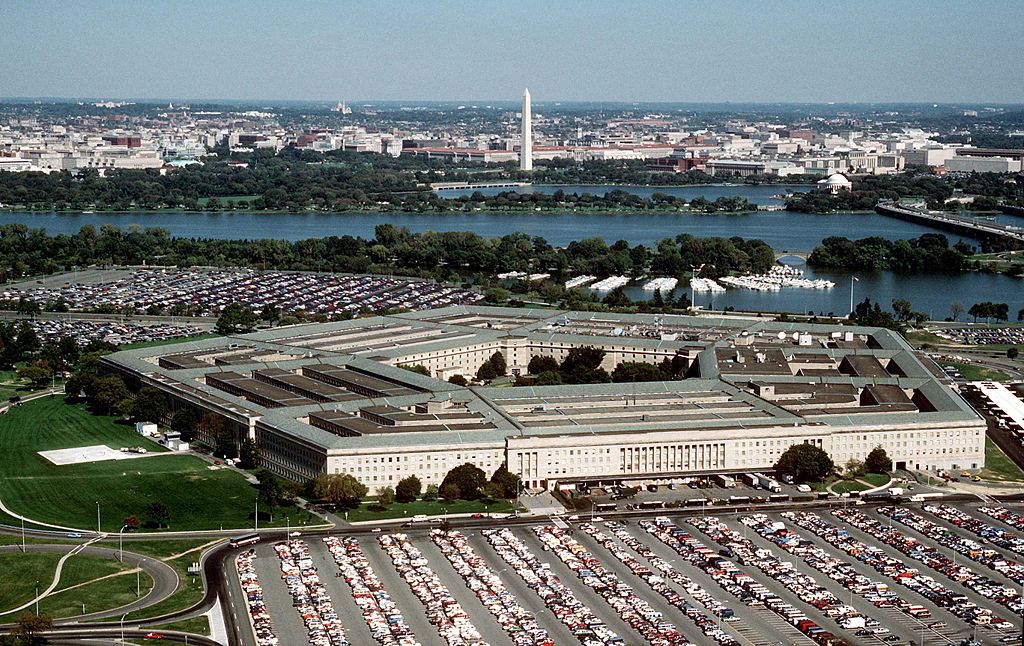
Tensions are rising between the U.S. Department of Defense and artificial intelligence developer Anthropic over the future use of advanced AI technologies in military and intelligence operations, according to sources cited by Reuters. The dispute centers on whether safeguards built into Anthropic’s AI systems should limit the government’s ability to deploy the technology for autonomous weapons targeting or domestic surveillance.
The standoff has emerged during negotiations tied to a Pentagon contract potentially worth up to $200 million, highlighting a broader struggle between Silicon Valley and Washington over ethical boundaries in artificial intelligence. After weeks of discussions, talks have reportedly reached an impasse, with disagreements intensifying under the Trump administration’s national security approach.
Pentagon officials argue that commercial AI tools should be deployable without being constrained by private companies’ internal usage policies, as long as their application complies with U.S. law. This position aligns with a January 9 Defense Department memo outlining a more assertive AI strategy for military and intelligence use. Anthropic, however, has resisted loosening its safeguards, emphasizing responsible AI deployment and the risks of misuse.
In a statement, Anthropic said its technology is already widely used in U.S. national security missions and that discussions with the Department of War, the name adopted by the Trump administration for the Pentagon, remain ongoing. The department did not immediately comment on the matter.
Anthropic is among several major AI firms awarded Pentagon contracts last year, alongside Google, OpenAI, and Elon Musk’s xAI. While the company has actively supported U.S. national defense initiatives, it has also sought to clearly define ethical limits on how its AI can be used, particularly in lethal or surveillance-related contexts.
Anthropic CEO Dario Amodei recently underscored these concerns in a blog post, stating that AI should strengthen national defense without pushing the U.S. toward practices resembling those of authoritarian regimes. His comments come amid heightened concern in Silicon Valley following reports of fatal shootings of U.S. citizens during immigration enforcement protests, events that have fueled anxiety about potential government misuse of AI tools.
The dispute represents an early and significant test of how much influence technology companies can exert over the military application of artificial intelligence as AI becomes increasingly central to modern warfare and intelligence operations.







