


 US Officials Meet Houthis in Oman Amid Yemen Offensive
  U.S. Imposes New Visa Restrictions Over South Africa Policies
  What is Zionism? The different meanings of a contested term
  Australia Defends Social Media Algorithm Law Amid US Concerns
  Ukraine Races to Counter Russia’s Faster Jet-Powered Drones
  Trump Administration Removes Confederate Memorial Criticism From Arlington Website
  Synthetic data could ease people’s concerns about privacy breaches. But who gets to create it?
  Saudi Arabia Shuts East-West Oil Pipeline After Drone Attack
  Trump Hopes Iran War Nears End as Yemen Fighting Escalates
  US Resumes Immigrant Visa Processing for Hungary, Poland
  Guterres Urges Stronger Global AI Safeguards Ahead of UN Assembly
  Banking scandal rocks Brazil’s politics and the country’s presidential election in October
  ICE Agent Arrested in Minneapolis Over Venezuelan Man Shooting
  Ukraine Tests New Anti-Drone Weapon After Successful Shahed Intercept
  Australia Tightens Student Visa Rules, Targets Migration Cut by 2028
  Google Changes EU Spam Policy Amid Antitrust Scrutiny
  Who should own the knowledge that underpins AI technology?


 Add as a preferred source on Google
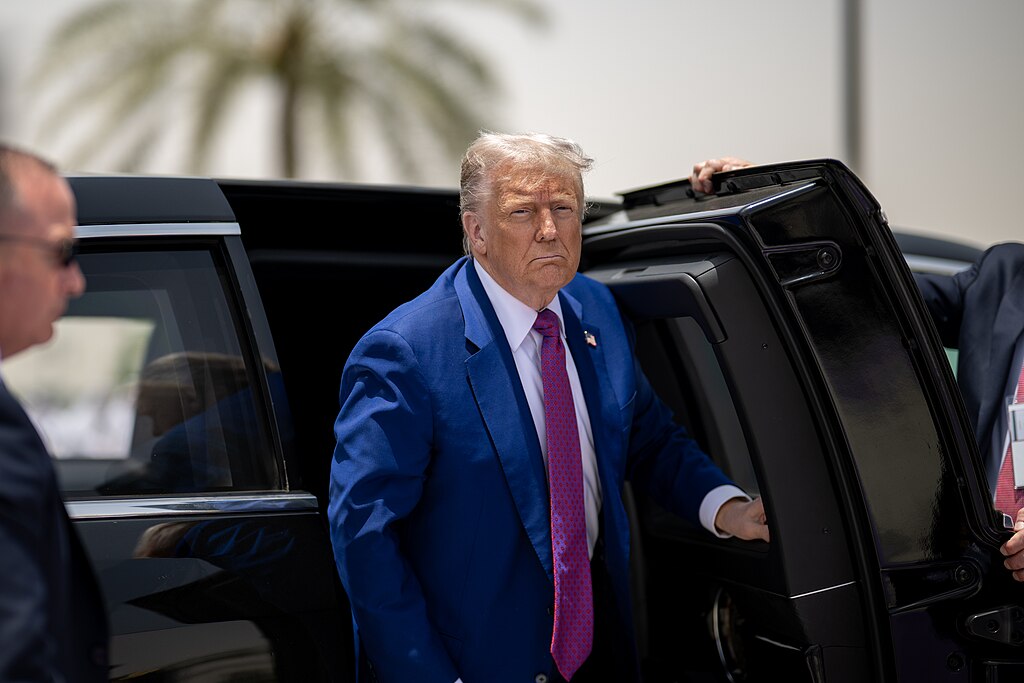
President Donald Trump escalated tensions with congressional Democrats on Saturday, threatening to station Immigration and Customs Enforcement agents at U.S. airports unless lawmakers immediately approve funding for airport security operations. The warning comes as a partial government shutdown, now in its 36th day, leaves Transportation Security Administration workers without pay for a second consecutive pay period on March 27.
The staffing crisis has visibly strained airport operations nationwide. Over 400 TSA officers have resigned since the shutdown began on February 14, and widespread sick call-outs have caused travel disruptions at major airports across the country. With roughly 65,000 employees — including 50,000 frontline security officers — TSA's workforce is under significant pressure as financial hardship mounts.
Trump announced on Truth Social that ICE agents would begin airport security duties on Monday if Democrats failed to act, stating he would move his "brilliant and patriotic ICE Agents to the Airports." Critics were swift to respond. Senator Richard Blumenthal of Connecticut called the proposal "reckless and lawless," arguing that deploying ICE in airports would alarm the American public, much like the agency's controversial home raids have already done.
Policy experts acknowledge the complexity of the situation. Former Department of Homeland Security official Stewart Baker noted that while ICE agents lack specialized TSA training, their presence would still be preferable to critically understaffed checkpoints. Historically, DHS has redirected resources across its agencies during staffing emergencies.
ICE has recently expanded its operational footprint across multiple states as part of the administration's broader immigration enforcement campaign. The agency faced intense scrutiny after agents fatally shot two American citizens during a Minnesota operation, prompting a shift toward more targeted enforcement strategies.
Trump maintains that his immigration and border security agenda is essential for national safety, though the debate over agency roles, worker rights, and congressional funding continues to intensify.







