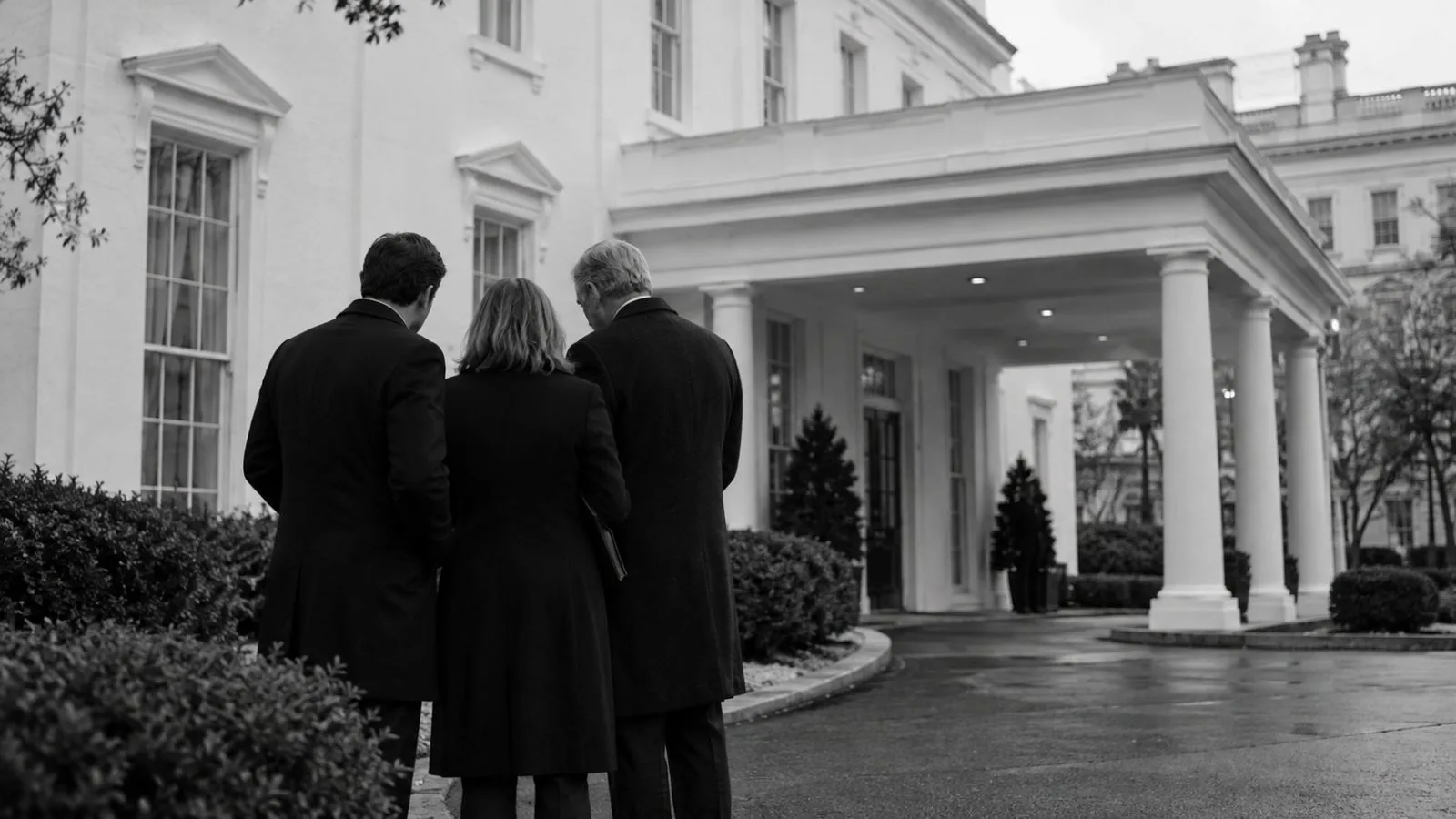
U.S. President Donald Trump announced Tuesday that Israel has agreed to the terms of a proposed 60-day ceasefire with Hamas in Gaza, calling on the Palestinian militant group to accept the deal. Posting on Truth Social, Trump stated that his administration had a “long and productive meeting” with Israeli officials, resulting in a consensus on the “necessary conditions to finalize the 60-Day CEASEFIRE.”
Trump credited Qatar and Egypt for their diplomatic efforts in delivering the final proposal to Hamas. He warned that rejecting the deal would lead to worsening conditions for the group, saying, “It will not get better — IT WILL ONLY GET WORSE.”
The ceasefire initiative follows a recent U.S.-brokered truce between Israel and Iran after American strikes reportedly crippled Tehran’s nuclear capabilities. That separate ceasefire ended nearly two weeks of conflict and appeared to be holding as of Tuesday evening.
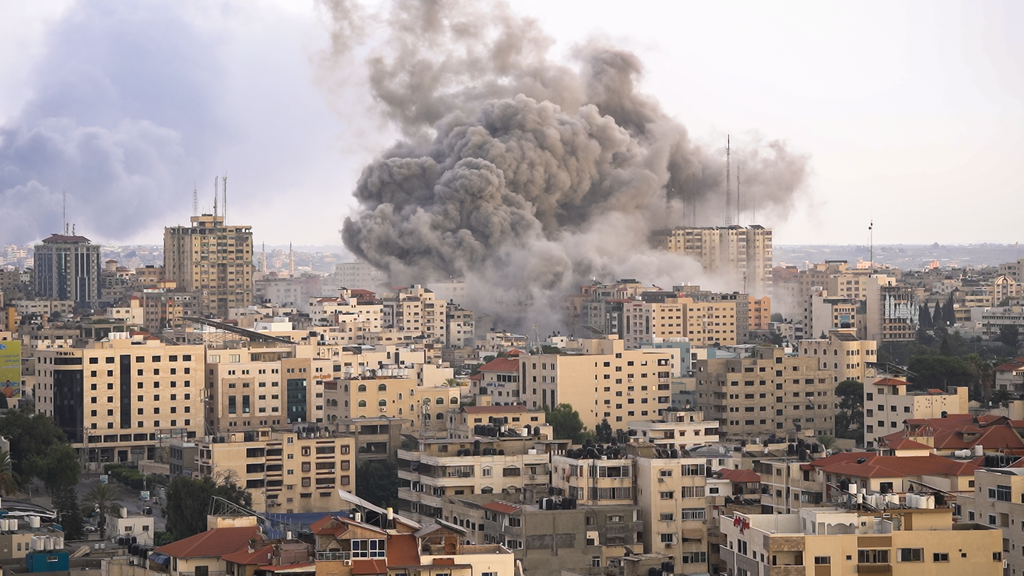
Despite multiple international efforts, violence between Israel and Hamas has persisted, with Israeli strikes on Gaza continuing. Earlier ceasefire attempts, including those prompted by U.S. pressure, had collapsed, largely due to Hamas’s refusal to release hostages or agree to temporary pauses in exchange for humanitarian aid.
Trump, who has taken a hardline stance on Middle East conflicts, expressed optimism earlier on Tuesday that a new ceasefire agreement between Israel and Hamas could be reached by next week. His administration has continued to use both military pressure and diplomatic channels to push for de-escalation.
The latest proposal represents a renewed push for peace in the region, as U.S. officials intensify efforts to stabilize Gaza and prevent further escalation. With international mediators involved and Israel on board, the decision now rests with Hamas.