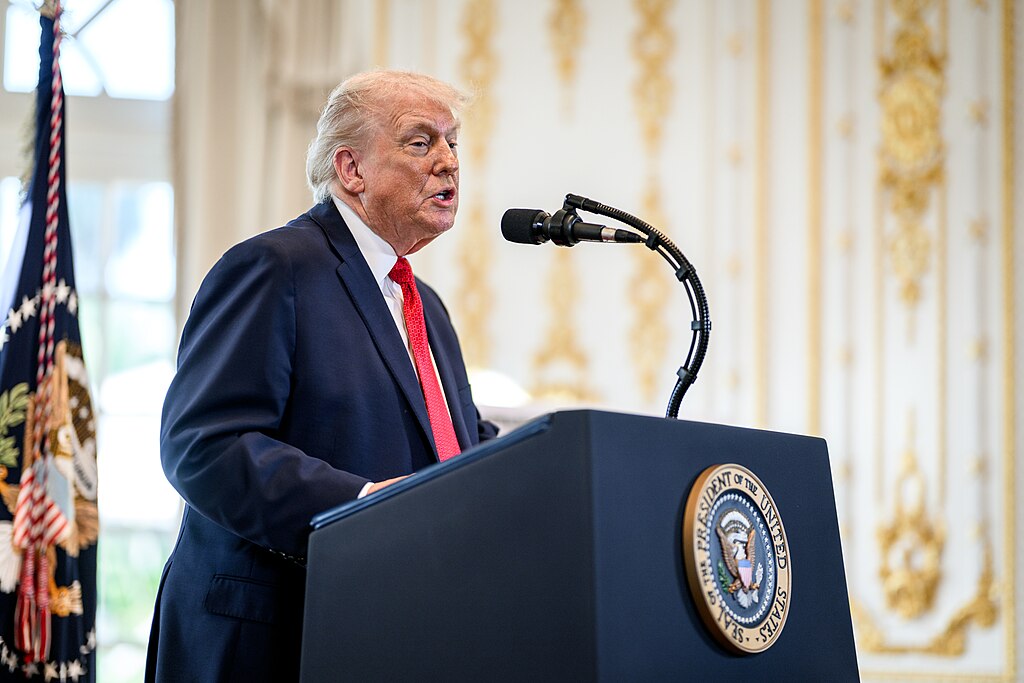
President Donald Trump announced late Wednesday that Israel has agreed to pause its attacks on Iran's South Pars gas field, but issued a stark warning that any renewed Iranian aggression toward Qatar's liquefied natural gas infrastructure could provoke a devastating American military response.
Trump confirmed via Truth Social that Israel had struck the strategically vital South Pars facility, describing the move as a reaction driven by frustration over ongoing Middle East tensions. Despite acknowledging the strike, he made clear that further Israeli attacks on the site would not proceed unless Iran chose to escalate the situation.
The U.S. president did not mince words when addressing the possibility of direct American involvement, stating that Washington possesses the military capability to completely destroy the South Pars gas field using force that Iran has never experienced. However, Trump expressed a preference for restraint, citing the severe long-term consequences such an action would carry for global stability and energy markets.
The escalating conflict stems from a chain of retaliatory strikes between Israel and Iran. Iranian forces reportedly targeted portions of Qatar's LNG infrastructure, claiming it was a response to an earlier attack on South Pars. Trump was quick to distance Qatar from any blame, stressing that Doha had no involvement in the initial strike and that the United States had no advance knowledge of the Israeli operation.
Energy market analysts are closely monitoring the situation, as South Pars represents one of the world's largest natural gas reserves, shared between Iran and Qatar. Any sustained conflict in the region threatens to disrupt global energy supplies at a time when markets remain highly sensitive to geopolitical shocks.
The developments underscore the fragile and rapidly shifting dynamics across the Middle East, with major economic and security implications for both regional and global stakeholders.