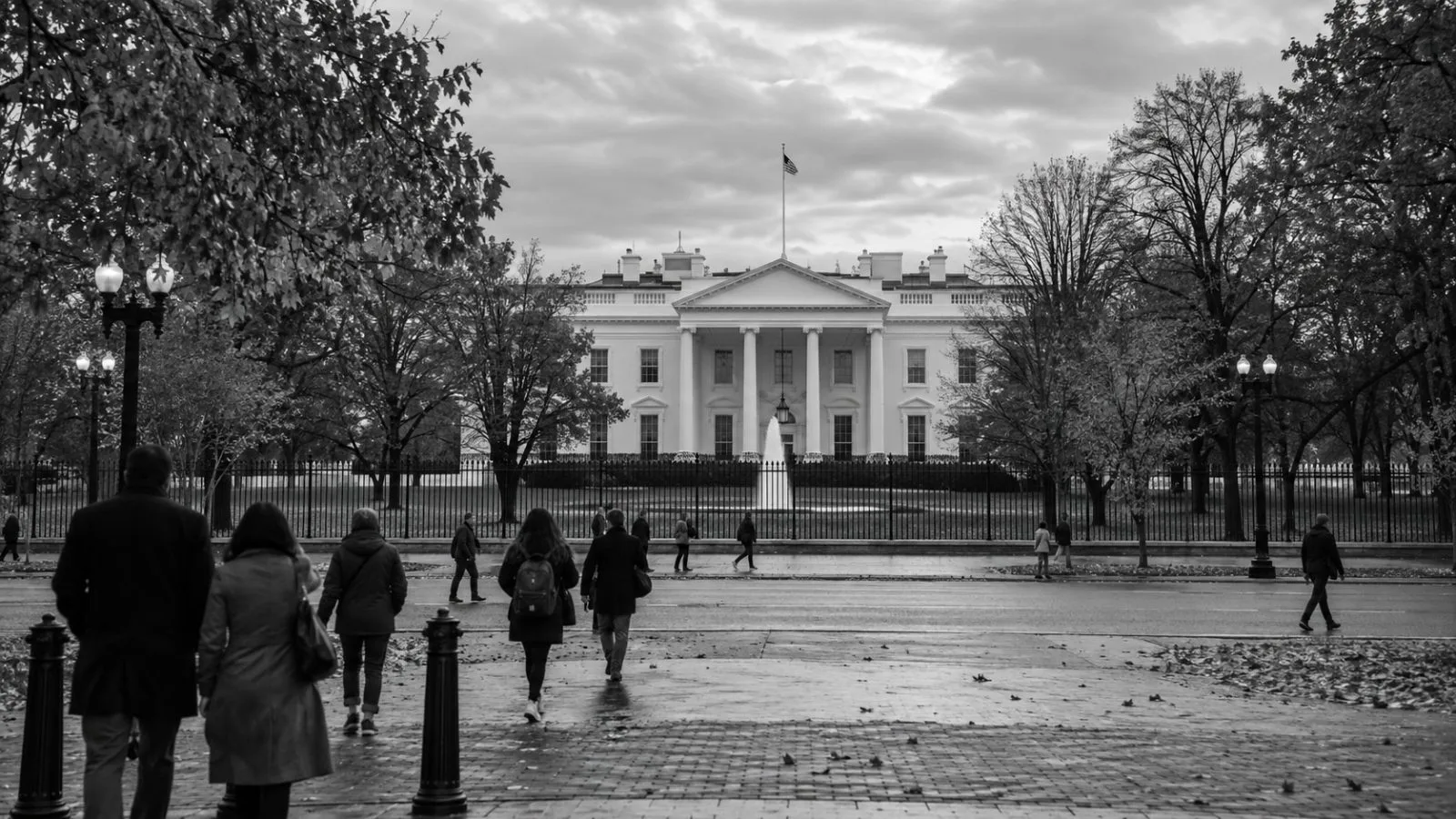
President Donald Trump and Israeli Prime Minister Benjamin Netanyahu concluded high-level talks at the White House without reaching a definitive agreement on how to proceed with Iran, though both leaders confirmed that negotiations with Tehran will continue. The meeting, their seventh since Trump returned to office, focused heavily on Iran’s nuclear program, regional security concerns, and the ongoing war in Gaza.
Following discussions that lasted more than two and a half hours, Trump described the meeting as productive but emphasized that no final decisions were made. In a statement shared on social media, he reiterated his commitment to pursuing a deal with Iran, saying negotiations would move forward to determine whether an agreement could be finalized. Trump has warned that if diplomacy fails, military action remains an option, referencing last year’s U.S. strikes on Iranian nuclear facilities.
Trump stated in recent interviews that any agreement with Tehran must ensure “no nuclear weapons, no missiles,” signaling potential interest in expanding talks beyond Iran’s nuclear capabilities. However, Iran has firmly rejected limits on its missile program, calling its defense capabilities non-negotiable. Israeli officials have expressed concern that a narrow nuclear deal could ignore Iran’s ballistic missile development and support for regional groups such as Hamas and Hezbollah.
Netanyahu stressed that Israel’s security interests must be central to any U.S.-Iran agreement. While the Israeli government confirmed continued close coordination with Washington, there was no indication that Trump committed to Israel’s broader demands.
The leaders also discussed Gaza, where efforts to advance a ceasefire and reconstruction plan have stalled. Trump remains involved in pushing a multi-point proposal aimed at ending the conflict and stabilizing the region.
Tensions remain high as the U.S. increases its military presence in the Middle East, and uncertainty persists over whether diplomacy with Iran will succeed or escalate into wider regional conflict.