


 Berlin Coalition Talks Advance After Left Party Antisemitism Deal
  Flavio Bolsonaro Leads Lula 49%-45% in Brazil Runoff Poll
  RFK Jr. Launches Nationwide Vaccine Safety Review
  Trump Buys Up to $25M in Meta Stock, Invests in SpaceX Debt
  Zelenskiy Criticizes US as Russian Strikes Kill 78 in Ukraine
  Trump Rallies in Texas as Republicans Face Tight Midterm Races
  Hegseth Praises USS Abraham Lincoln Crew After Record Iran War Deployment
  US Pressures Allies to Distance From Anti-Disinformation Conference
  ICC Rules Duterte Fit to Stand Trial in Drug War Case
  Venezuela’s Machado Calls for Elections by July 2027
  Pentagon Orders Iran Strike Preparations as Trump Weighs Military Action
  EU Rejects Italy, Greece Calls for Fiscal Rule Flexibility
  Trump Weighs FBI Probe Into Nolan Wells’ Death
  Iran Refuses to Halt Uranium Enrichment Amid US Nuclear Demands
  Marco Rubio Warns Russia-Ukraine War Could Spark Wider Conflict
  Maduro, Wife May Face New US Torture Charges
  Trump Says He Deserves 2026 Nobel Peace Prize Despite Uncertain Chances


 Add as a preferred source on Google
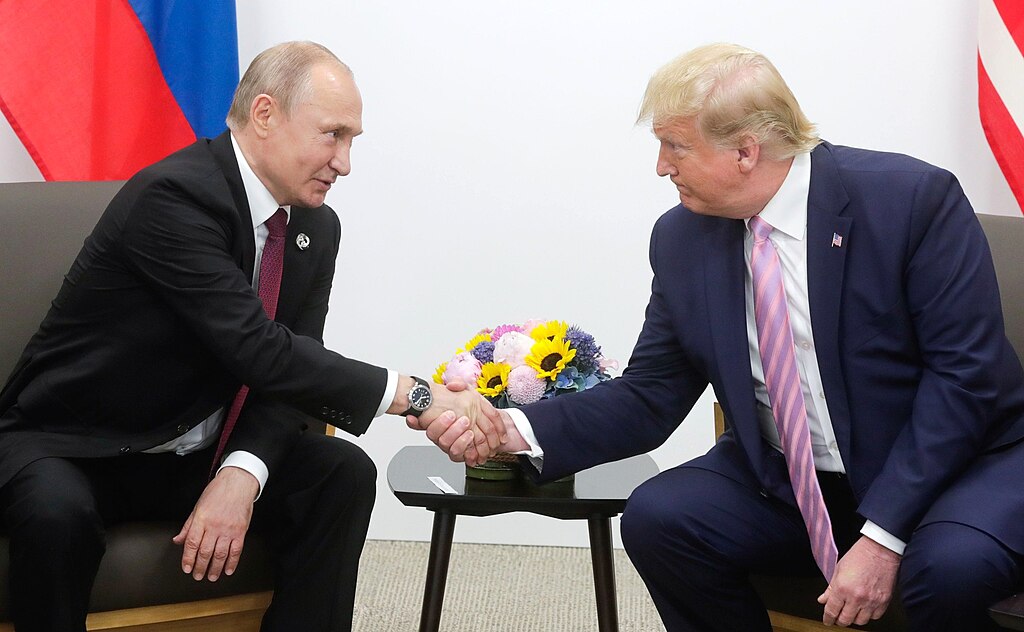
U.S. President Donald Trump and Russian President Vladimir Putin have agreed to hold another summit on the Ukraine war, a move that surprised many as Washington weighed new military aid for Kyiv. The two leaders discussed the matter in a two-hour phone call that Trump described as “productive,” with both sides confirming plans to meet in Budapest within the next two weeks, though no date has been set.
Trump, speaking at the White House, said he was confident a deal could be reached soon, highlighting his record as a dealmaker. The announcement came as Ukrainian President Volodymyr Zelenskiy prepared to visit Washington to push for more U.S. weapons, including long-range Tomahawk missiles.
While the White House had been considering increased military support for Ukraine, Trump’s conciliatory tone toward Moscow raised doubts about the aid package and fueled European concerns over possible U.S. concessions to Russia. Since taking office, Trump has alternated between threatening Moscow and softening his stance after direct talks with Putin.
During the call, Putin warned that supplying Tomahawk missiles to Ukraine would harm peace efforts and strain U.S.-Russia relations. Trump later downplayed the warning, joking that Putin “doesn’t want Tomahawks” sent to Ukraine. Zelenskiy responded by saying Putin’s eagerness for talks showed Moscow was feeling pressure as reports of expanded U.S. support surfaced.
Budapest’s selection as the summit site has drawn attention due to Hungarian Prime Minister Viktor Orban’s close ties with Moscow and tense relations with Kyiv. Orban welcomed the meeting, calling it “great news for peace-loving people.”
The Trump-Putin summit will reportedly follow talks between U.S. Secretary of State Marco Rubio and Russian Foreign Minister Sergei Lavrov. As the war nears its fourth year, Ukraine continues to demand long-range weapons to strike Russian infrastructure, while Moscow intensifies its attacks across Ukraine.







