


 Japan Real Wages Rise 1.5%, Supporting BOJ Rate Hikes
  US Dollar Hits 18-Month High as Fed Signals More Rate Hikes
  Oil Prices Rise as Gulf Hurricane and Middle East Supply Risks Mount
  US, Greece Launch New Counterterrorism Security Program
  Trump Backs Florida Golf Course as Presidential Retreat
  US-Taiwan Ties Remain Strong as Taipei Urges Timely Arms Deliveries
  Tsai Warns of China’s Sustained Pressure on Taiwan
  Trump Rallies in Texas as Republicans Face Tight Midterm Races
  Saudi Airport Attacks Kill Three as Yemen Fighting Escalates
  Oil Prices Trim Gains After Trump Rules Out Iran Strikes Before Midterms
  Zelenskiy Criticizes US as Russian Strikes Kill 78 in Ukraine
  EU Rejects Italy, Greece Calls for Fiscal Rule Flexibility
  Maduro, Wife May Face New US Torture Charges
  Bangladesh GDP Growth Accelerates to 4.6% on Industrial Rebound
  Iran Refuses to Halt Uranium Enrichment Amid US Nuclear Demands
  US Suspends Microsoft, Adobe From Green Card Program
  US Treasury Yields Ease After Strong 10-Year Auction as Global Bonds Struggle


 Add as a preferred source on Google
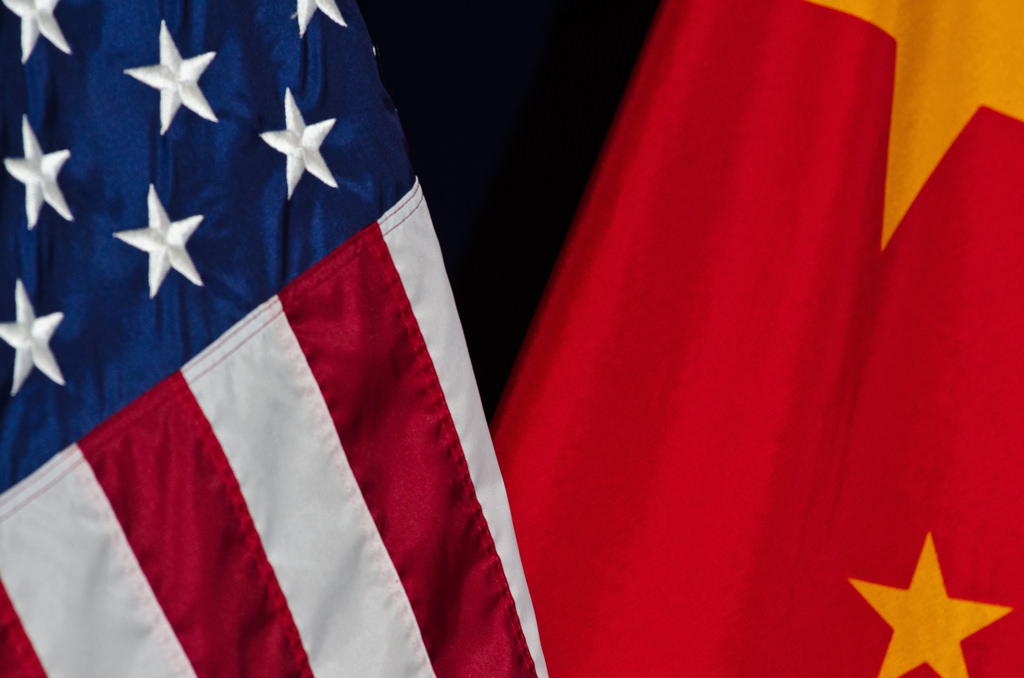
U.S. President Donald Trump and Chinese President Xi Jinping reached a significant trade understanding during their meeting in Busan, South Korea, marking their first face-to-face talks since 2019. The agreement includes U.S. tariff reductions on Chinese imports and China’s commitment to combat the illicit fentanyl trade, resume U.S. soybean purchases, and maintain rare earth exports—key materials vital to global industries such as automotive, defense, and technology.
Trump described the meeting as “amazing,” rating it “12 out of 10,” and announced that tariffs on Chinese goods would be reduced from 57% to 47%, with fentanyl-related tariffs halved to 10%. He praised Xi’s pledge to take “strong action” to curb fentanyl exports, a move expected to help address America’s opioid crisis. Meanwhile, China’s Commerce Ministry confirmed a one-year pause on rare earth export restrictions and reaffirmed commitments to agricultural trade and fentanyl cooperation.
Global markets responded cautiously. The Shanghai Composite Index slipped from a decade-high, and U.S. soybean futures weakened. Analysts said investors were waiting for concrete follow-through before reacting strongly. Despite the optimism, Brazil and India remain under higher U.S. tariffs.
Xi noted that occasional frictions between superpowers were normal, adding that China’s development was not at odds with Trump’s “Make America Great Again” vision. Trump emphasized China’s immediate purchases of “tremendous amounts” of American farm goods and confirmed plans to visit China in April, with Xi expected to visit the U.S. later.
Notably, discussions avoided sensitive issues such as Taiwan and Nvidia’s AI chip sales to China. However, just before meeting Xi, Trump ordered the U.S. military to resume nuclear weapons testing after a 33-year hiatus—a move China urged Washington to reconsider.







