


 Kim Jong Un Showcases ICBM Ahead of Possible Trump Meeting
  Elon Musk Donates $366 Million to 2026 US Midterms
  Wall Street Falls as Hot US Inflation Fuels Fed Rate Hike Bets
  MI5 Warns of Rising Iran, Russia Threats and AI Bioweapon Risks
  S&P 500 Futures Rise Ahead of US Inflation Data and Bank Earnings
  Oil Prices Surge Above $106 After Deadly Saudi Airport Attack
  US Inflation Surges in September, Raising Fed Rate Hike Bets
  UN Urges Talks on Lebanon Peacekeeping Mission Extension
  Gold Prices Mixed Ahead of US Inflation Data and Fed Rate Outlook
  Wall Street Ends Mixed as Investors Await CPI and Bank Earnings
  China Resumes US Soybean Purchases After Trump-Xi Summit
  Gaza Olive Harvest Collapses as War Destroys Farmland
  Asian Stocks Plunge as AI Chip Selloff Hits South Korea and Japan
  Netanyahu Rejects Preemptive Iran Strike Ahead of Israel Election
  Trump Warns Houthis Over Attacks, Considers Erdogan Intervention
  US Dollar Hits 18-Month High as Inflation Fuels Fed Rate Hike Bets


 Add as a preferred source on Google
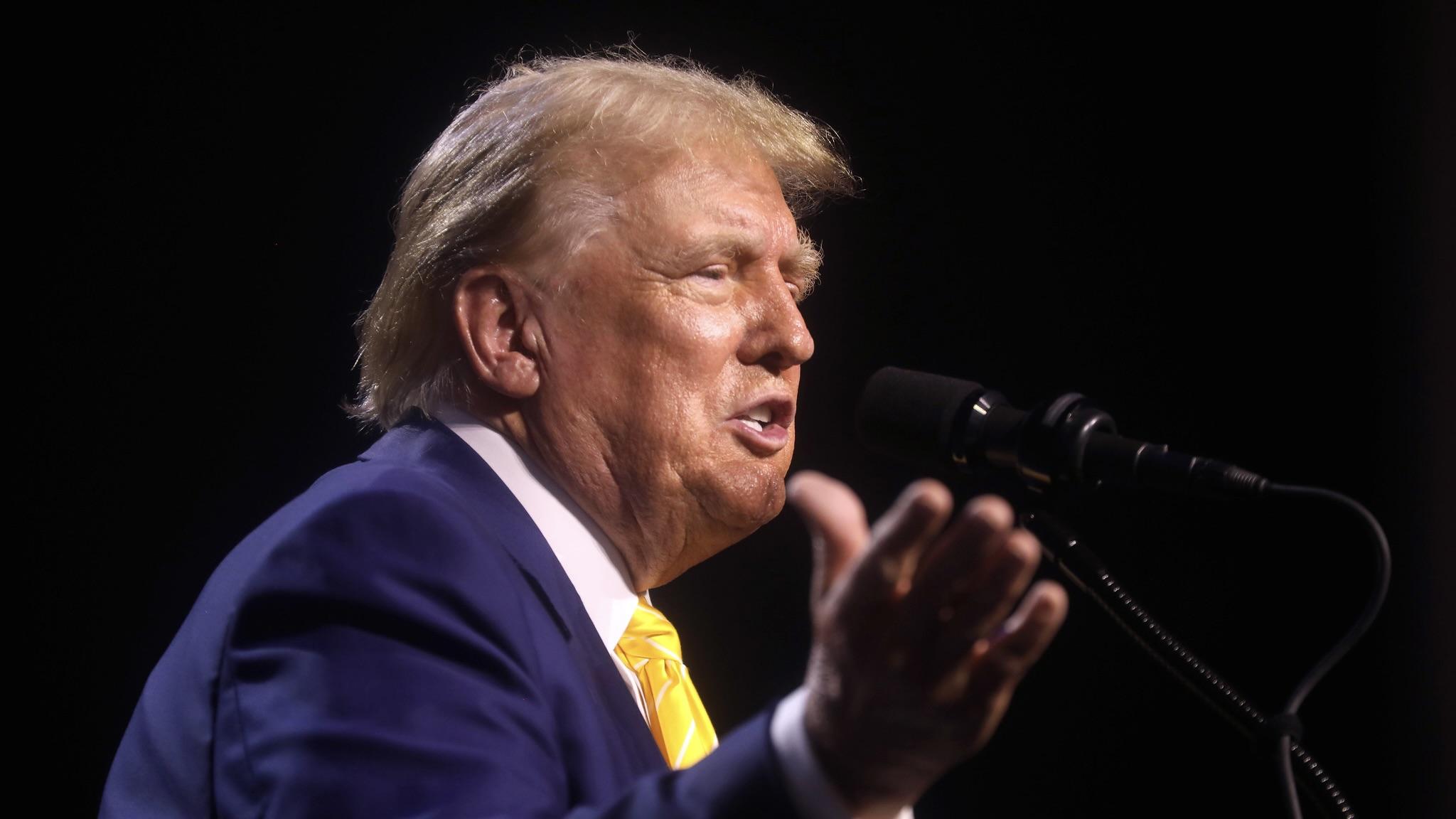
US healthcare stocks have fallen sharply following President-elect Donald Trump's cabinet picks. The nomination of Robert F. Kennedy Jr. as Secretary of Health and Human Services has alarmed investors due to his critical stance on vaccines and obesity drugs, sparking fears of significant regulatory shifts.
Trump's Election Spurs Healthcare Stock Decline in US and Europe
Barclays reports that since Donald Trump's election on November 5, healthcare stocks in the US and Europe have fallen due to growing concerns about the possible policy effects of his cabinet nominees, Investing.com shares.
The healthcare industry as a whole has lagged larger indexes; for example, the U.S. healthcare ETF is down nearly 7% from the S&P 500, and healthcare equities in Europe are down roughly 1.5% from the broader European index.
There have been strong protests to Robert F. Kennedy Jr.'s nomination to head HHS, particularly in the pharmaceutical and biotech industries.
Kennedy's Controversial Stance on Vaccines and Obesity Drugs
Possible regulatory roadblocks have been heightened by Kennedy's reputation for vaccination skepticism and criticism of obesity medications.
Concerns have been raised by Kennedy's remarks on the FDA's policy, vaccines, and GLP-1 medications for obesity.
It may be difficult to turn these ideas into practical policy, according to analysts at Barclays.
Medicare only pays for GLP-1 medications, such as Novo Nordisk semaglutide, for obese individuals who meet the SELECT trial's criteria for shown cardiovascular risk. Modifications to the Treat and Reduce Obesity Act (TROA) would be necessary to expand coverage.
Barclays Sees Opportunity Despite Investor Skepticism
The commercial market, not Medicaid or Medicare, is the main driver of growth for anti-obesity pharmaceuticals, according to Barclays.
Regarding vaccination policies, investors are even more skeptical due to Kennedy's anti-vaccine stance.
As a result of Kennedy's nomination, Novo Nordisk and Sanofi stocks have been "unduly punished," according to Barclays. Barclays sees the selloff as an overreaction and has maintained "overweight" ratings for both firms.
While healthcare is still facing some short-term problems, Barclays does point out that certain subsectors might eventually profit from more defined rules.
Broader Cabinet Picks Add to Market Uncertainty
Even more so than with Kennedy's nomination, investors are worried about regulatory uncertainty due to Trump's wider cabinet nominations, such as Vivek Ramaswamy to the Department of Government Efficiency.







