


 North Korea Fires Ballistic Missiles Amid Rising Tensions With South Korea
  Zelenskiy Says Ukraine Received No Warning Before Russian Missile Attack
  US Senate Midterms 2026: Key Races That Could Flip Control
  US Supreme Court Denies Release of Anti-ICE Activist Kyle Wagner
  MI5 Warns of Rising Iran, Russia Threats and AI Bioweapon Risks
  China Warns Taiwan Over South China Sea Coast Guard Incident
  Kim Jong Un Showcases ICBM Ahead of Possible Trump Meeting
  US Condemns China Sanctions on Taiwan Allies Belize and Paraguay
  Trump Defends Russian Diesel Deal Amid US Sanctions Backlash
  US Recalls Nicaragua Envoy After Ambassador Rejection
  Trump Warns Houthis Over Attacks, Considers Erdogan Intervention
  Trump Plans White House Shake-Up of Key AI Safety Agency
  Most Americans Oppose Election Betting on Prediction Markets, Poll Finds
  Trump Denies Russia and China Are Helping Iran in U.S. Conflict
  US Justice Department Drops Prosecution of Ex-CIA Analyst Sue Mi Terry
  Elon Musk Donates $366 Million to 2026 US Midterms
  Trump Denies China, Russia Are Helping Iran in War


 Add as a preferred source on Google
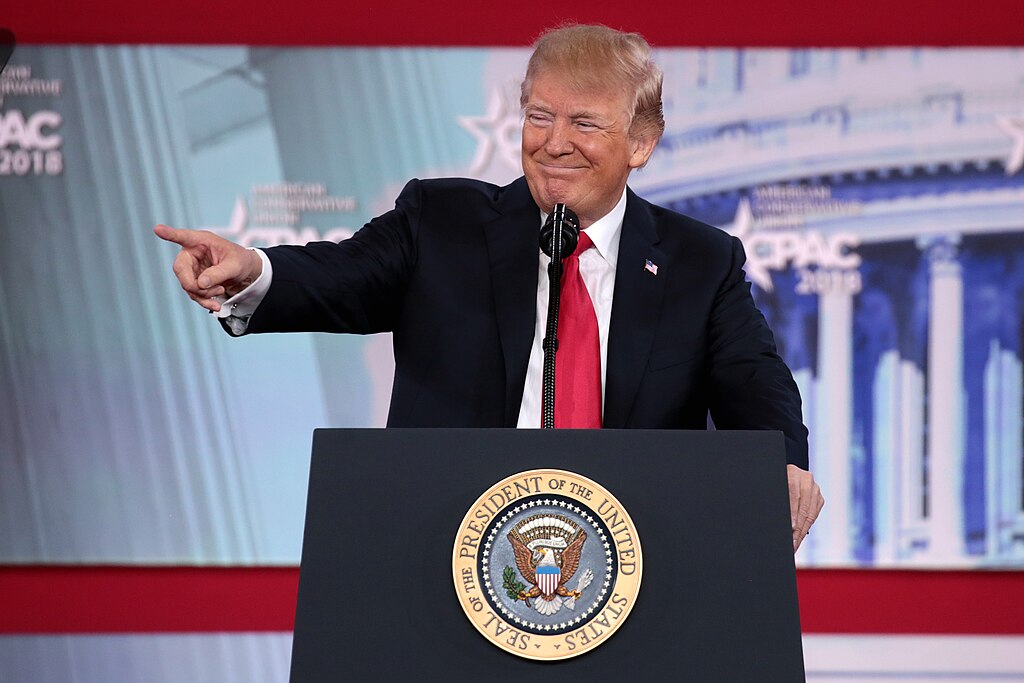
Former President Donald Trump’s recent remarks about mysterious drones flying over New Jersey and near his Bedminster property have reignited speculation over government secrecy and raised concerns about an alleged false flag operation. The claims have resurfaced chilling predictions of radiological threats aimed at creating mass panic and expanding surveillance measures.
During a public address, Trump alluded to unusual government activity tied to the drones, stating, “The military knows, the president knows, but they won’t tell the people.” His comments have added to the growing unease surrounding the unmanned aerial vehicles spotted over residential areas, prompting questions about their purpose and potential links to larger operations.
Radiological Threat Predictions Resurface
Speculation about the drones comes amid resurfaced warnings from intelligence sources suggesting the possibility of a radiological false flag scenario. Unlike nuclear detonations, such an operation would allegedly involve dispersing radioactive materials to spark mass fear. Reports claim the aftermath could include distressing images of burn victims, overcrowded hospitals, and legislation imposing strict surveillance measures.
One theory posits that the drones may be scanning for gamma rays, which aligns with predictions that such an incident could serve as a pretext for extreme government actions. Proposed measures include banning encryption to gain access to private metadata, implementing mandatory radiation contact-tracing apps, and enforcing strict surveillance policies under the guise of safety.
“These drones are likely gathering data or monitoring specific areas,” said defense analyst Marcus Ellison. “If linked to radiological materials, the implications could be significant. Any response must balance public safety with transparency.”
While Trump stopped short of offering direct evidence, his remarks about military knowledge and secrecy have fueled further concern. Critics argue that such statements, without proof, may increase public anxiety and misinformation.
Public Reaction Explodes Online
Trump’s comments and the resurfaced false flag warnings have sparked intense debate on social media, with netizens expressing a mix of alarm, skepticism, and frustration.
Twitter user @PatriotWatcher wrote, “Trump isn’t wrong to question what’s happening. Secrecy breeds distrust, and we deserve answers about these drones.”
Meanwhile, @CriticalThinkerUSA pushed back, saying, “These theories are dangerous. Misinformation like this distracts from real issues and fuels unnecessary fear.”
Supporter @NoMoreSecrets added, “Strange drones, strange government silence. Something’s not right here, and Trump is asking the tough questions.”
User @TechInsider doubted the claims, tweeting, “Gamma ray drones? False flags? This sounds like science fiction, not a legitimate national security threat.”
On the other hand, @WeThePeople2024 commented, “Trump’s pointing out what no one else will. If there’s a plan to tighten control, we need to know.”
Lastly, @RealNewsNow posted, “Drone secrecy and radiological threats? These are serious allegations. Transparency is the only way forward.”
Government Secrecy and Public Trust
The federal government has yet to publicly comment on Trump’s allegations or the purpose of the drones, fueling speculation. Experts urge caution, warning against drawing conclusions without verified evidence. However, Trump’s statements have reignited broader debates over public trust, government transparency, and the potential misuse of surveillance technology.
If the warnings of radiological false flags prove credible, analysts say such events could mirror restrictive policies seen during the COVID-19 pandemic. “We’ve seen how governments respond to crises,” said political analyst Erin Monroe. “Mass panic often leads to sweeping measures that alter freedoms, sometimes permanently.”
What Happens Next?
For now, Trump’s remarks have sparked widespread discussion, but questions remain unanswered. Are the drones part of routine surveillance, or is there a more significant operation underway? As officials remain silent, calls for transparency are likely to grow louder, particularly among Trump’s base and privacy advocates.







