


 Zelenskiy Says Ukraine Received No Warning Before Russian Missile Attack
  US Senate Midterms 2026: Key Races That Could Flip Control
  MI5 Warns of Rising Iran, Russia Threats and AI Bioweapon Risks
  China Resumes US Soybean Purchases After Trump-Xi Summit
  Trump Denies Russia and China Are Helping Iran in U.S. Conflict
  SpaceX Starlink Restrictions Disrupt Ukraine Military Operations
  NATO Commander Warns Russia of Devastating Response to Attack
  US Condemns China Sanctions on Taiwan Allies Belize and Paraguay
  Trump Denies China, Russia Are Helping Iran in War
  IMF Warns US Debt Crisis Needs Fiscal Action, Urges China to Boost Consumption
  Trump Warns Houthis Over Attacks, Considers Erdogan Intervention
  Greenland Lawmakers Back Trump Security Deal Despite Economic Concerns
  US Justice Department Drops Prosecution of Ex-CIA Analyst Sue Mi Terry
  Zelenskiy Seeks New US Talks to Revive Ukraine-Russia Peace Negotiations
  Gaza Olive Harvest Collapses as War Destroys Farmland
  Jordan Bardella Antisemitism Allegations Threaten Le Pen’s Campaign
  Flavio Bolsonaro Backs Brazil’s 40-Hour Workweek Reform Ahead of Runoff


 Add as a preferred source on Google
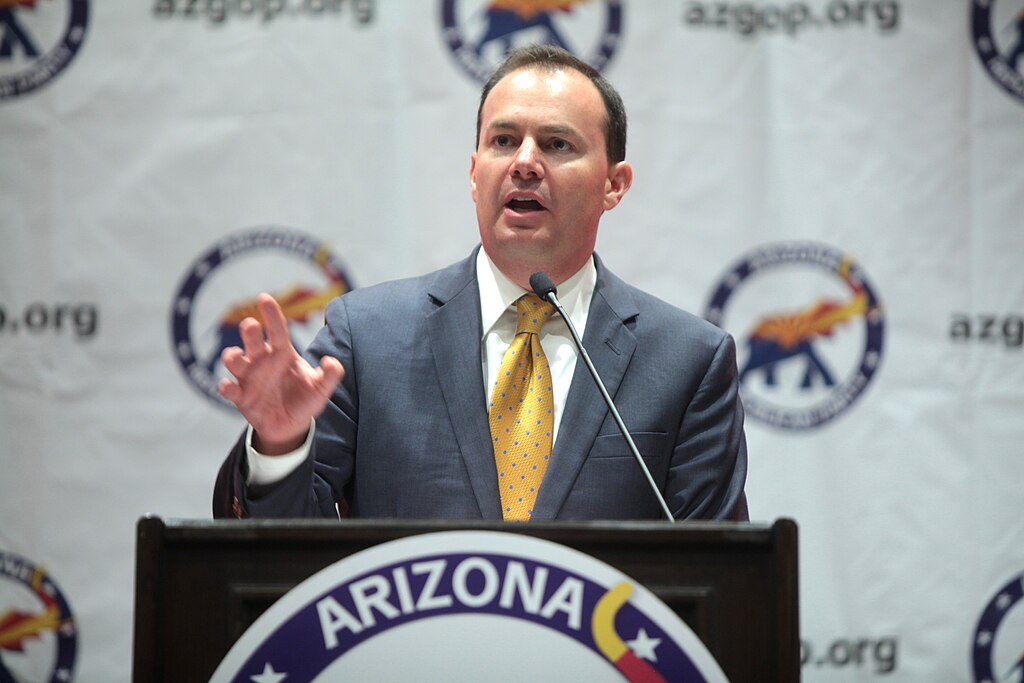
Sen. Mike Lee (R-Utah) has publicly called for the abolishment of the Transportation Security Administration (TSA), arguing that the agency has failed to deliver efficient airport security while burdening taxpayers. Lee’s comments, made in a post on X (formerly Twitter), have drawn both support and fierce criticism, reigniting debates over federal oversight and aviation security.
“Congress should abolish TSA,” Lee wrote, sharing his position with his followers. Lee has been an outspoken critic of government bureaucracy and spending, previously pushing for reforms to agencies he deems ineffective. His latest remarks reflect longstanding frustrations among some conservatives over the TSA’s performance and cost.
Lee’s call has already gained support in the House of Representatives, with at least one unnamed Republican lawmaker signaling agreement. The senator’s position aligns with efforts by fiscal conservatives to reduce federal spending and shift responsibilities for airport security back to private entities.
Criticism of TSA’s Efficiency and Costs
The TSA, created in response to the September 11 terrorist attacks, has faced criticism over its effectiveness and passenger experience. Opponents like Lee argue that the agency’s screenings are inefficient, costly, and often fail to meet security standards.
“The TSA has grown into a bloated bureaucracy,” Lee said in a follow-up post. “We need smarter, more effective solutions that don’t waste billions of taxpayer dollars or inconvenience Americans.”
Studies have previously highlighted TSA’s struggles. Reports from the Department of Homeland Security have found instances where undercover agents successfully smuggled prohibited items through TSA checkpoints, raising questions about the agency’s efficiency. In fiscal year 2023, TSA’s operating budget exceeded $10 billion, adding fuel to Lee’s concerns about excessive spending.
Supporters of TSA, however, argue that abolishing the agency would compromise security and leave airports vulnerable. Critics of Lee’s stance emphasize that while reforms may be necessary, eliminating the TSA entirely would disrupt airport operations and risk passenger safety.
Social Media Erupts Over Lee’s Proposal
Lee’s remarks sparked immediate reactions across social media, with users weighing in on the controversial proposal.
User @TaxpayerWatchdog praised the idea, writing, “The TSA is expensive and ineffective. Mike Lee is right—there are better ways to handle security.”
On the other hand, @FlySafeUSA pushed back, tweeting, “Abolish TSA? Seriously? This would roll back airport security to pre-9/11 levels. It’s reckless and dangerous.”
User @ConservativeVoter2024 supported Lee’s stance, saying, “It’s time to cut government waste. Let private companies handle airport security efficiently.”
Meanwhile, @SecurityMatters shared concerns, posting, “The TSA needs reform, not elimination. Abolishing it would leave a security gap we can’t afford.”
Supporter @FreedomFirst added, “TSA screenings are a nightmare. Lee has the courage to say what everyone is thinking.”
Lastly, @TravelSafely commented, “I can’t imagine trusting private firms to secure airports. This plan puts profit over safety.”
What’s Next for TSA?
Lee’s call to abolish the TSA is unlikely to advance without significant support, as the agency remains a cornerstone of U.S. airport security. However, the proposal reflects growing frustration among some lawmakers and passengers over TSA’s operations.
Experts suggest that while complete elimination of the TSA may be impractical, Lee’s remarks could spark bipartisan discussions about improving efficiency and accountability within the agency.
For now, Lee’s bold stance has reignited debates about the future of airport security, balancing passenger convenience with the need to maintain national safety.







