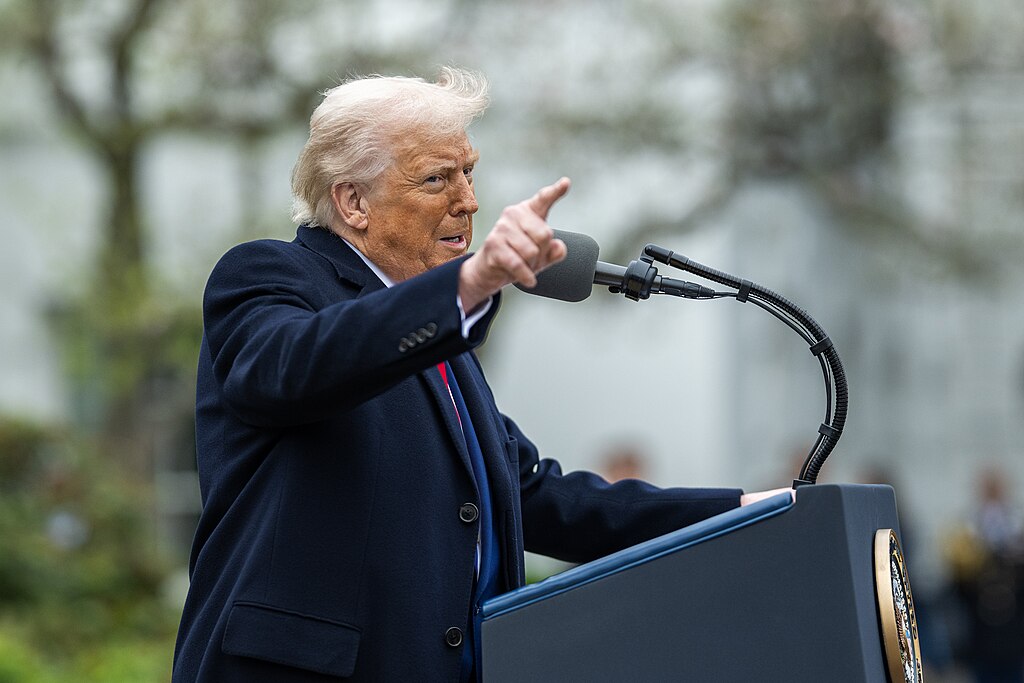
In a stunning reversal of his long-held stance against foreign wars, U.S. President Donald Trump authorized direct strikes on Iran’s nuclear sites, joining Israel in escalating the Middle East conflict. The attack, targeting fortified facilities like Fordow with bunker-busting bombs, marks the boldest foreign policy gamble of Trump’s presidency and raises fears of a broader war.
Trump insisted Iran must now choose peace or face more attacks, but analysts warn of severe consequences. Tehran could retaliate by closing the Strait of Hormuz—critical for global oil supply—targeting U.S. bases, escalating missile strikes on Israel, or activating proxy groups. Experts caution that these asymmetric responses could trigger a prolonged and unpredictable conflict.
Despite Trump’s claims of success, the threat remains. The Arms Control Association warned that the strike may push Iran to pursue nuclear weapons as deterrence and deepen its distrust of diplomacy. Iran maintains its program is peaceful and vowed to continue its national nuclear development.
U.S. officials said Trump greenlit the operation after Israel’s initial attacks weakened Iran’s defenses. However, the Iranian response has so far been defiant, rejecting any concessions and threatening retaliation against U.S. interests.
With little appetite for compromise, experts predict this move could entrench hostilities, not end them. Analysts also caution against “mission creep,” fearing any escalation could drag the U.S. into regime change efforts or another drawn-out Middle East war—despite Trump’s anti-interventionist promises.
Domestically, Trump faces backlash from both Democrats and parts of his Republican base. His policy of “peace through strength” now faces its biggest test as he enters a geopolitical storm just six months into his second term. The world watches to see whether this strike signals the beginning of peace—or a deeper conflict.