Brazil and Mexico, two top steel exporters to the U.S., are waiting to see if President Donald Trump announces new 25% tariffs on steel and aluminum imports before reacting. If implemented, the tariffs would mark another major shift in U.S. trade policy, impacting global steel markets.
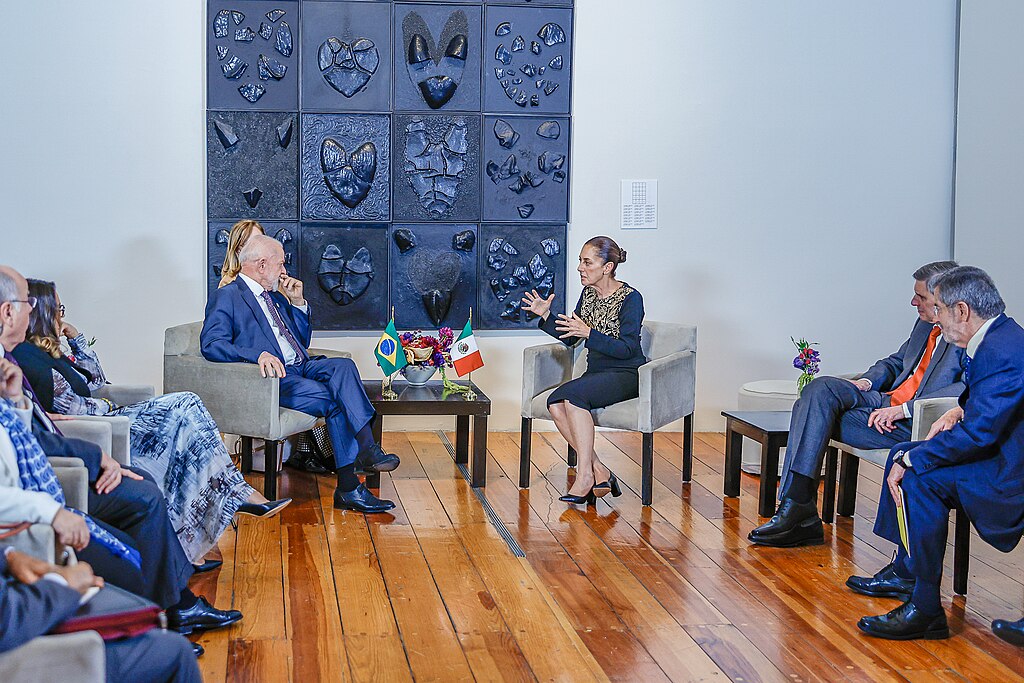
Mexican President Claudia Sheinbaum stated her administration would "wait to see if anything is announced" before making a decision. Similarly, Brazil’s Finance Minister Fernando Haddad emphasized that the government would only respond to concrete actions, dismissing reports that Brazil might impose taxes on U.S. tech companies as "not correct."
Trump previously enacted 25% tariffs on steel and 10% on aluminum, though Brazil and Mexico later received exemptions. The potential new tariffs could impact key steel companies like Ternium, which supplies U.S. automakers from Mexico, and Brazil’s Gerdau, which operates multiple facilities in North America. On Monday, Ternium’s New York-listed shares rose 0.8%, while Gerdau surged over 4%.
The move also ties into broader concerns over China’s steel "dumping" practices, where excess steel is sold below market value. Both Brazil and Mexico have imposed double-digit tariffs on Chinese steel to counteract this, but Brazilian steelmakers are calling for stricter measures. Mexico’s government recently introduced a system to track steel imports and exports to ensure compliance with trade agreements.
Trump has accused Mexico of serving as a gateway for Chinese steel to enter the U.S., echoing similar concerns raised under President Joe Biden’s administration. With potential trade tensions escalating, Brazil and Mexico remain cautious, awaiting official confirmation before taking countermeasures.