


 Solana User Growth Jumps 33%, Outpacing Ethereum and Chainlink
  RBA Set for September Rate Hike as Inflation Stays High
  Yen Sinks as BOJ Rate Hike Fails to Impress Markets
  RBI Raises Repo Rate to 5.50% in Hawkish Shift on Inflation Risks
  Litecoin Marks 15 Years as Grayscale Backs LTC ETF Push
  BOJ Signals Faster Rate Hikes as Inflation Risks Grow
  Circle Stock Falls 4% as Crypto Selloff Overshadows SAP Pay Expansion
  Bitcoin Price Falls Below $83K as Liquidations Hit $697M
  Fed Unveils Stablecoin Rules Under GENIUS Act
  Cardano Price Eyes $0.30 as ADA Whale Activity Surges
  BofA Raises Coinbase Stock Target to $203 on Stablecoin Growth


 Add as a preferred source on Google
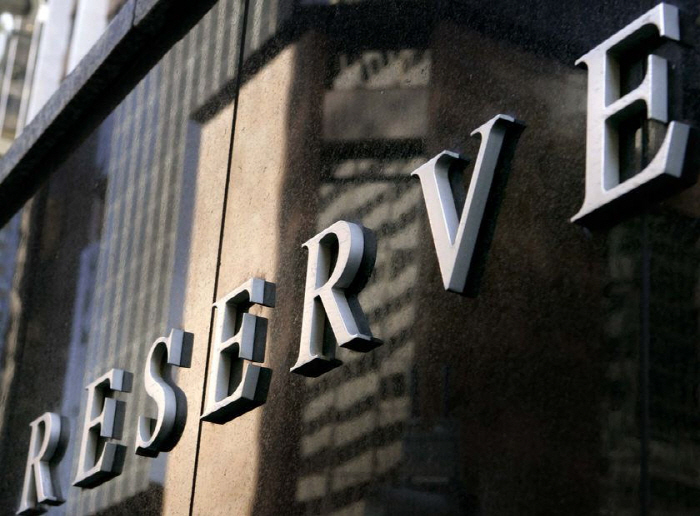

Prime Minister Malcolm Turnbull has sternly told the banks they should pass on the whole of Tuesday’s rate cut - or their chief executives must explain why they are not doing so.
After the Reserve Bank cut the cash rate by 25 basis points to 1.5%, the four big banks said they would pass on only part of the reduction. They have also said they are putting up their term deposits rates, to a greater or less extent.
Turnbull said the banks should be fully accountable. “It is up to them. They are big institutions. They operate with a very substantial social licence and they owe it to the Australian people and their customers to explain fully and comprehensively why they have not passed on the full rate cut and they must do so,” he said.
“They can’t just say ‘oh, it’s none or your business. Please don’t tell us how to run our business’.”
The banks should pass on the cut because it reduced their cost of funds, Turnbull said.
His tone was considerably tougher than that of Treasurer Scott Morrison. On Tuesday, while Morrison said the banks should pass on the cut, he cut them more slack than Turnbull has done.
“There is no real argument based on cost of funds that would mean that they shouldn’t pass [the cut on],” Morrison said. “But I do note that they have actually taken another action and that is to lift deposit rates. So you’ve got to look at the deposit rate increase and the mortgage rate decrease as a package of response from at least the two banks that have done that. But it’s for them to make that decision.”
The government is under some pressure on the broad issue of banks behaviour, with Labor running hard in the election campaign on its call for a royal commission into the banks.

Michelle Grattan does not work for, consult, own shares in or receive funding from any company or organisation that would benefit from this article, and has disclosed no relevant affiliations beyond the academic appointment above.
Michelle Grattan, Professorial Fellow, University of Canberra
This article was originally published on The Conversation. Read the original article.







