


 Djibouti Migrant Boat Capsizes, Killing 139 and Leaving 84 Missing
  Kim Jong Un Showcases ICBM Ahead of Possible Trump Meeting
  Panama Declares Emergency After 7.7 Earthquake Triggers 200 Aftershocks
  Trump Defends Russian Diesel Deal Amid US Sanctions Backlash
  Mahmoud Abbas Postpones Palestinian Elections to September 2027
  India Voter List Protests Reach Supreme Court as Opposition Demands Election Chief's Resignation
  Brazil Election: Lula and Bolsonaro Rally Ahead of October 25 Runoff
  Elon Musk Donates $366 Million to 2026 US Midterms
  Jordan Bardella Antisemitism Allegations Threaten Le Pen’s Campaign
  US Judge Blocks Trump Administration’s Taxpayer-Funded Political Ads
  Trump Calls for Zelenskyy Replacement Amid Russian Diesel Deal
  European Auto Stocks Rise as EU-China Trade Deal Targets Hybrid Imports
  Trump Denies Russia and China Are Helping Iran in U.S. Conflict
  Trump Announces Russia-Ukraine Energy Ceasefire as Zelenskiy Awaits Details
  UK Finance Minister Healey Calls for Fiscal Discipline Amid Global Risks
  Yandex Data Center Hit by Drone Strike as Russia-Ukraine Cyber Infrastructure Attacks Escalate
  Pakistan Declares Emergency in Khyber Pakhtunkhwa, Suspends Imran Khan’s PTI Government


 Add as a preferred source on Google
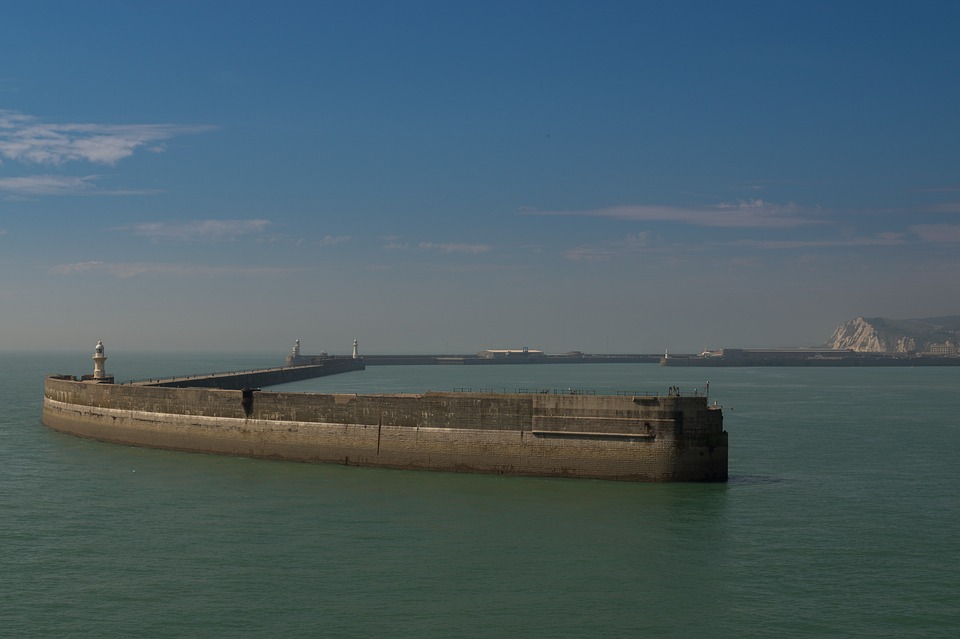
France and the United Kingdom signed an agreement addressing illegal migrants crossing the English Channel on small boats. The agreement, signed in Paris, would have more law enforcement officials patrol beaches to prevent migrants from crossing.
British Home Secretary Suella Braverman and French Interior Minister Gerald Darmanin signed the agreement on illegal migrant crossings in Paris Monday. London has agreed to pay $75 million as part of the agreement, which is $10.3 million more than the amount in the existing deal. The funds would be in exchange for France to increase security presence by 40 percent across sea access points.
As part of the deal, 350 more police gendarmes and police would be guarding the beaches in Calais and Dunkirk. More drones and night vision equipment would also be used to help the police to detect crossings. The agreement also includes proposals to fight crime on the migration routes, with both countries agreeing to gather information from intercepted asylum seekers to trace smuggling networks.
British Prime Minister Rishi Sunak said the deal meant a 40 percent increase in patrols taking place and for the first time, British officials would be involved in French operations to increase coordination and effectiveness.
While the United Kingdom receives fewer migrants seeking asylum compared to other countries in Europe, thousands of people travel to northern France every year looking to cross the Channel. Some are looking to enter the UK as they have family and friends that reside there, while others say that they speak English or in the hopes that they would find work.
The UK and the European Union have also announced more sanctions on Iran over its crackdown on the widespread protests taking place over the death of Mahsa Amini. The British foreign office Monday said in a statement that it was sanctioning 24 Iranian officials in coordination with its international partners.
The officials targeted by the UK’s sanctions include Iranian communications minister Issa Zarepour, the chief of Iran’s cyber police Vahid Mohammad Nasser Naser Majid, and several other police and security officials.
“These sanctions target officials within the Iranian regime who are responsible for heinous human rights violations,” said British foreign secretary James Cleverly.







