
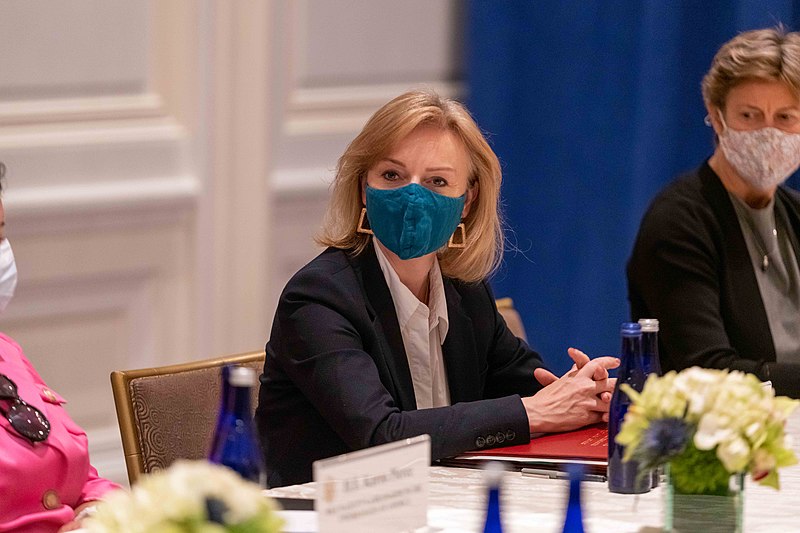
British foreign secretary Liz Truss is reportedly considering cutting down the country’s rate of value-added tax if she is elected prime minister. The plan to reduce the value-added tax was aimed to help tackle the high cost of living.
A report by the Sunday Telegraph reveals that Truss, who is in the running to become the UK’s next prime minister and Conservative Party leader, is planning to cut down VAT by five percent.
This comes as the British government is facing growing calls to provide immediate financial support to households that are already struggling as energy bills increase by 80 percent to an average of £3,549 a year from October.
A source familiar with the matter told the outlet that Truss and her campaign are considering the plan as a “nuclear option.” Other options include a 2.5 percent cut in the VAT sales tax from the standard rate of 20 percent. A five percent cut in VAT would save the average household in the country over £1,300 a year and would cost taxpayers £3.2 billion a month, according to the assessment by the Institute of Fiscal Studies.
In another report, Truss was also considering an emergency cut to income taxes. This is because some of Truss’s allies believe that the personal allowance – which is the rate at that people start to pay income tax – should be lifted.
Back in May, the British government introduced a £500 billion support package, including a £400 energy bill credit for every household. According to BBC, Truss reportedly ruled out further direct support, having previously said she prefers tax cuts over handouts.
Truss is running against former finance minister Rishi Sunak to succeed Boris Johnson as prime minister and leader of the Conservative Party. Johnson announced his resignation back in July.
Friday last week, Truss’s spokesperson said people will be able to receive the support they need as energy firm Ofgem announced an 80 percent increase in energy bills.
“Today’s announcement will cause grave concern to many people across the UK who will be worried about paying their bills. As prime minister, Liz would ensure people get the support needed to get through these tough times,” said Truss’s spokesperson.


