


 UK Finance Minister Healey Calls for Fiscal Discipline Amid Global Risks
  European Auto Stocks Rise as EU-China Trade Deal Targets Hybrid Imports
  Trump Announces Russia-Ukraine Energy Ceasefire Amid U.S. Pressure on Kyiv
  US Judge Blocks Trump Administration’s Taxpayer-Funded Political Ads
  India Voter List Protests Reach Supreme Court as Opposition Demands Election Chief's Resignation
  Trump Calls for Zelenskyy Replacement Amid Russian Diesel Deal
  Brazil Election: Lula and Bolsonaro Rally Ahead of October 25 Runoff
  Yandex Data Center Hit by Drone Strike as Russia-Ukraine Cyber Infrastructure Attacks Escalate
  Trump Denies Russia and China Are Helping Iran in U.S. Conflict
  NATO Commander Warns Russia of Devastating Response to Attack
  Mahmoud Abbas Postpones Palestinian Elections to September 2027
  North Korea Fires Ballistic Missiles as Tensions With South Korea Escalate
  Panama Declares Emergency After 7.7 Earthquake Triggers 200 Aftershocks
  Greenland Lawmakers Back Trump Security Deal Despite Economic Concerns
  Pakistan Declares Emergency in Khyber Pakhtunkhwa, Suspends Imran Khan’s PTI Government
  Trump Sanctions International Criminal Court, Sparking EU Backlash
  Elon Musk Donates $366 Million to 2026 US Midterms


 Add as a preferred source on Google
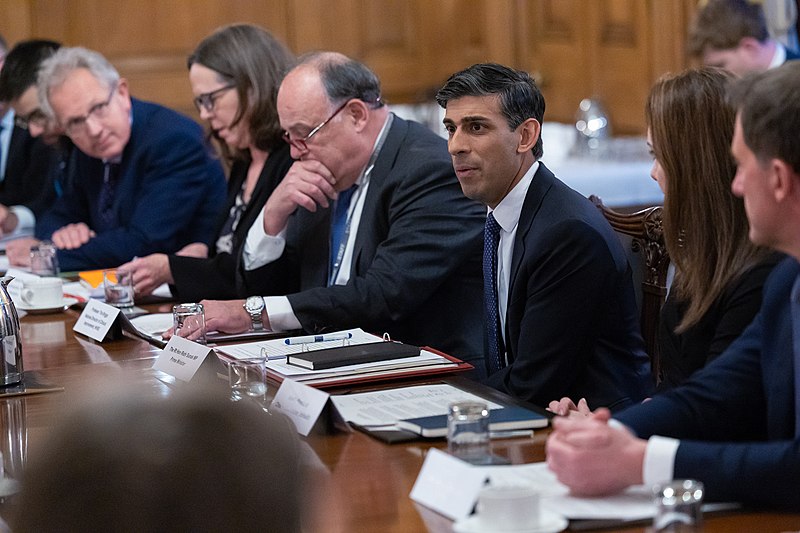
British Prime Minister Rishi Sunak expressed a willingness to discuss an increase in wages for people in healthcare ahead of his meeting with trade union leaders. This comes amidst the ongoing strikes by several sectors demanding better wages.
Speaking to the BBC on Sunday, Sunak said he was willing to discuss wage increases for nurses and other healthcare staff amidst ongoing strikes in what is one of the biggest industrial disputes in the United Kingdom. Sunak’s stance also comes amidst pressure, even from his fellow Conservative ministers, for his government to have talks with union leaders despite the refusal of ministers to reopen discussions about the deal for this year.
“We want to have a reasonable, honest, two-way conversation about pay,” said Sunak. “The door has always been open to talk about the things that nurses want to talk about, and the unions want to talk about more generally.”
Sunak’s government plans to hold a meeting on Monday with union officials that represent public sector workers like nurses and train drivers. The healthcare staff of the British National Health Service has come under strain in the past years due to underinvestment and the COVID-19 pandemic.
The opposition Labour Party, however, accused Sunak of making misleading statements over the offer to negotiate salaries. The opposition party said Sunak was taking nurses and ambulance workers “for fools” as the government previously made it clear that it would only negotiate pay increases for next year’s deal.
Unions say they will only call off the strikes if offers are made to resolve the disputes over the year’s pay settlement.
Ministers are also set to hold talks with trade unions on Monday in an added effort to call off the strikes. Sunak told reporters during his visit to the NHS that the talks were a “positive development.” The government has previously argued that pay increases that match the current inflation rate will only fuel further price increases that would result in higher mortgage payments and interest rates.
Teacher unions are set to meet with the education minister this week, while the health minister will hold talks with the trade unions that represent ambulance workers and nurses. The transport minister will also be meeting with rail unions.







