


 Panama Declares Emergency After 7.7 Earthquake Triggers 200 Aftershocks
  Trump Announces Russia-Ukraine Energy Ceasefire as Zelenskiy Awaits Details
  US Condemns China Sanctions on Taiwan Allies Belize and Paraguay
  Greenland Lawmakers Back Trump Security Deal Despite Economic Concerns
  Trump Calls for Zelenskyy Replacement Amid Russian Diesel Deal
  Most Americans Oppose Election Betting on Prediction Markets, Poll Finds
  European Auto Stocks Rise as EU-China Trade Deal Targets Hybrid Imports
  Trump Denies Russia and China Are Helping Iran in U.S. Conflict
  Trump Sanctions International Criminal Court, Sparking EU Backlash
  Trump Announces Russia-Ukraine Energy Ceasefire Amid U.S. Pressure on Kyiv
  Pakistan Declares Emergency in Khyber Pakhtunkhwa, Suspends Imran Khan’s PTI Government
  North Korea Fires Ballistic Missiles as Tensions With South Korea Escalate
  Yandex Data Center Hit by Drone Strike as Russia-Ukraine Cyber Infrastructure Attacks Escalate
  Mahmoud Abbas Postpones Palestinian Elections to September 2027
  US Judge Blocks Trump Administration’s Taxpayer-Funded Political Ads
  US Authorities Raid Ilhan Omar’s Home Amid Immigration Fraud Probe


 Add as a preferred source on Google
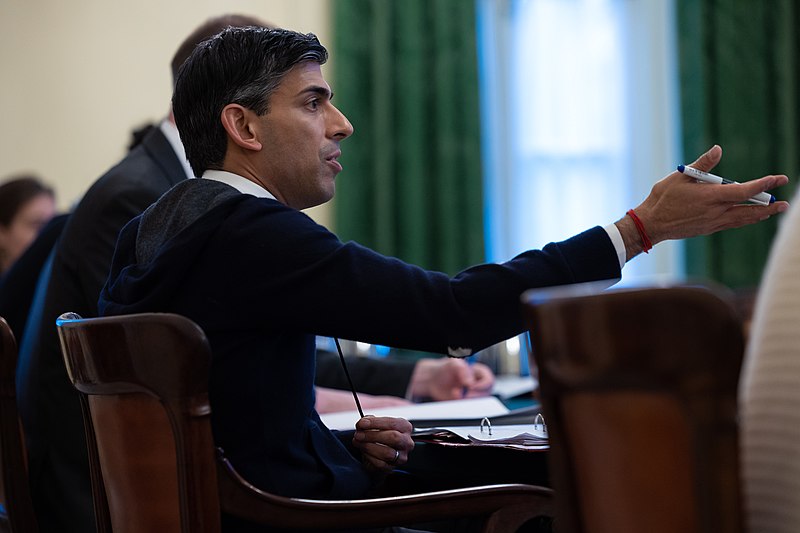
British Prime Minister Rishi Sunak delivered his first major speech of the year, pledging to address issues such as inflation, debt, waiting lists at the NHS, and migration. The pledges come as Sunak looks to shore up public support in light of the struggling popularity faced by his Conservative government.
Sunak delivered his first major speech for the year on Wednesday, pledging that his government will address five key issues the United Kingdom is facing. Sunak pledged to halve inflation, reduce the debt, cut down the waiting lists of the National Health Service, and tackle the migration crisis that saw migrants enter the UK on small boats after crossing the English Channel.
Without going into detail on his promises, Sunak said his government plans to build a “better future for our children and grandchildren,” asking the public to judge him and his government by the results that were achieved.
“No tricks, no ambiguity. We’re either delivering for you or we’re not,” said Sunak in London. “We will rebuild trust in politics through action or not at all.”
Recent public opinion polls show Sunak’s governing Conservative Party lagging behind the opposition Labour Party. The next general election is set to take place by the end of 2024, with the opposition party expected to take power after 12 years of Conservative governance.
Sunak replaced Liz Truss in October after over a month in office. Truss was forced to step down following the economic backlash on her tax-cutting plans. While the UK markets calmed under Sunak’s leadership, Sunak’s government has recently come under increasing pressure to address the shortcomings in the public health system.
Labor leader Keir Starmer said the “sticking plaster politics” in the Conservative government has led to the multiple crises that Sunak is facing today. In an upcoming speech in London, Starmer is expected to say that the UK needs a “new way of governing” and that a Labor government will decentralize power and focus on “national missions” that will be announced in the coming weeks.
In his upcoming remarks, however, Starmer said a future Labor government is not based on big spending.







