


 Trump Sanctions International Criminal Court, Sparking EU Backlash
  Elon Musk Donates $366 Million to 2026 US Midterms
  North Korea Fires Ballistic Missiles Amid Rising Tensions With South Korea
  Brazil Election: Lula and Bolsonaro Rally Ahead of October 25 Runoff
  Kim Jong Un Showcases ICBM Ahead of Possible Trump Meeting
  US Judge Blocks Trump Administration’s Taxpayer-Funded Political Ads
  Jordan Bardella Antisemitism Allegations Threaten Le Pen’s Campaign
  NATO Commander Warns Russia of Devastating Response to Attack
  Russian Strikes Kill Six in Ukraine, Including Three in Kharkiv
  Zelenskiy Offers Russia Energy Truce Amid Trump Pressure
  Trump Plans White House Shake-Up of Key AI Safety Agency
  European Auto Stocks Rise as EU-China Trade Deal Targets Hybrid Imports
  Djibouti Migrant Boat Capsizes, Killing 139 and Leaving 84 Missing
  India Voter List Protests Reach Supreme Court as Opposition Demands Election Chief's Resignation
  Trump Denies Russia and China Are Helping Iran in U.S. Conflict
  Trump Defends Russian Diesel Deal Amid US Sanctions Backlash


 Add as a preferred source on Google
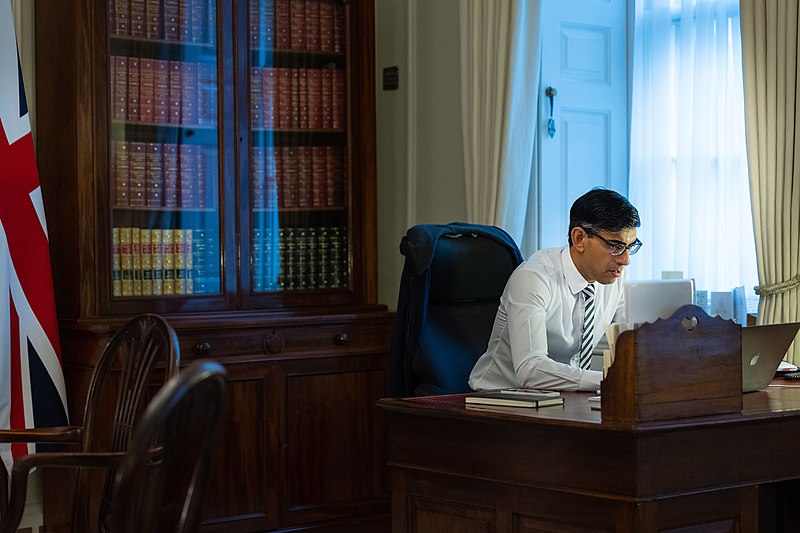
British Prime Minister will reportedly unveil the planned new anti-strike laws this week, as strikes in several sectors have rocked the country. The new laws may make taking industrial action illegal should the minimal service needs are not met.
A report by The Times said Sunak plans to unveil the plans for new laws that could curb strikes as soon as Thursday, as ministers plan to make taking such actions illegal if the minimal service needs are not met. The planned legislation would force minimum service levels in six sectors, including health, rail, education, fire, and border security sectors, which need a portion of union workers to continue working.
The strikes would become illegal if unions refused to provide the minimum level of service, according to the report, citing a government source familiar with the matter. Employers would be able to sue unions and dismiss staff under the plans to curb strikes.
While Sunak’s office did not comment, Sunak on Wednesday said the next steps of the government would be detailed “in the coming days.”
Opposition Labour Party leader Keir Starmer said that should the Labour Party win in the 2024 elections, such laws would be repealed.
“We’ll look at what they bring forward, but if it’s further restrictions, then we will repeal the law,” Starmer told a question and answer session after his speech on Thursday. “I do not think that legislation is the way that you bring an end to industrial disputes. You have to get in the room and compromise.”
On Thursday, British foreign minister James Cleverly said work is moving “pretty fast” to resolve the ongoing dispute with the European Union over the Northern Ireland Protocol, the post-Brexit trade agreement between the United Kingdom and the bloc. Following a meeting with his German counterpart, Annalena Baerbock.
“We are moving fast and doing a huge amount of good work. We very, very much welcome the…much more constructive tone in the conversations that we’ve had between the UK and the Commission,” said Cleverly during a news conference, referring to the bloc’s executive branch.
Baerbock said the EU was prepared to be flexible on the issue, echoing the positive tone in the discussions between the bloc and the UK.







