
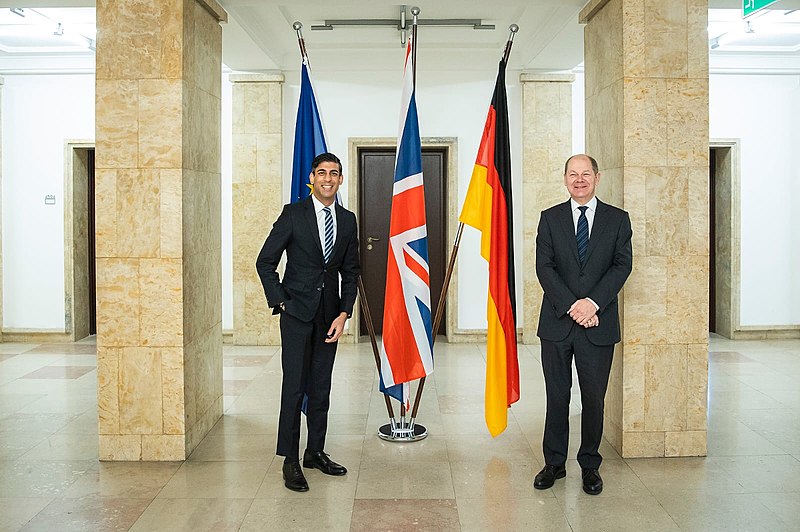
Former UK finance minister Rishi Sunak emerged as one of the leading candidates to succeed outgoing Prime Minister Boris Johnson. Sunak recently addressed criticism that he may be too wealthy to govern a country in the midst of a financial crisis.
Speaking on BBC Radio, Sunak, whose resignation sparked the decline of Johnson’s administration, said Thursday that he did not judge people by how much they had in their bank accounts, but rather by their character and hoped that others would do the same.
Sunak’s comments came amidst suggestions that the former finance minister was too wealthy to run a country that is in the midst of a financial crisis worsened by the war in Ukraine.
“When the pandemic hit, I understood full well the impact it could have on millions of people up and down the country,” said Sunak.
Sunak emerged as the leading candidate to become the next leader of the Conservative Party and the next prime minister of the UK after the first round of voting this week. The former finance minister emerged as the lead again in the second round of voting that would narrow the candidates down to two.
The former finance minister received 101 votes, followed by junior trade minister Penny Mordaunt who received 83 votes, and foreign secretary Liz Truss with 64 votes. In the second round of voting, Attorney General Suella Braverman was eliminated, having only received 27 votes.
Other candidates, such as lawmaker Tom Tugendhat and former equalities minister Kemi Badenoch received 32 and 49 votes respectively.
After maintaining his lead in the bid to become the next Conservative Party leader and prime minister, Sunak took to Twitter to thank his supporters and pledged to do everything he could to restore the public’s trust in the government.
“I am prepared to give everything I have in service to our nation. Together we can restore trust, rebuild our economy, and reunite the country,” tweeted Sunak, who previously said that his first economic priority would be to tackle inflation instead of the tax cuts that his rivals are pledging.
Truss has also pledged to restore trust in the government and attempted to distance herself from the briefings and counter-briefings that have become increasingly personal as of late.


