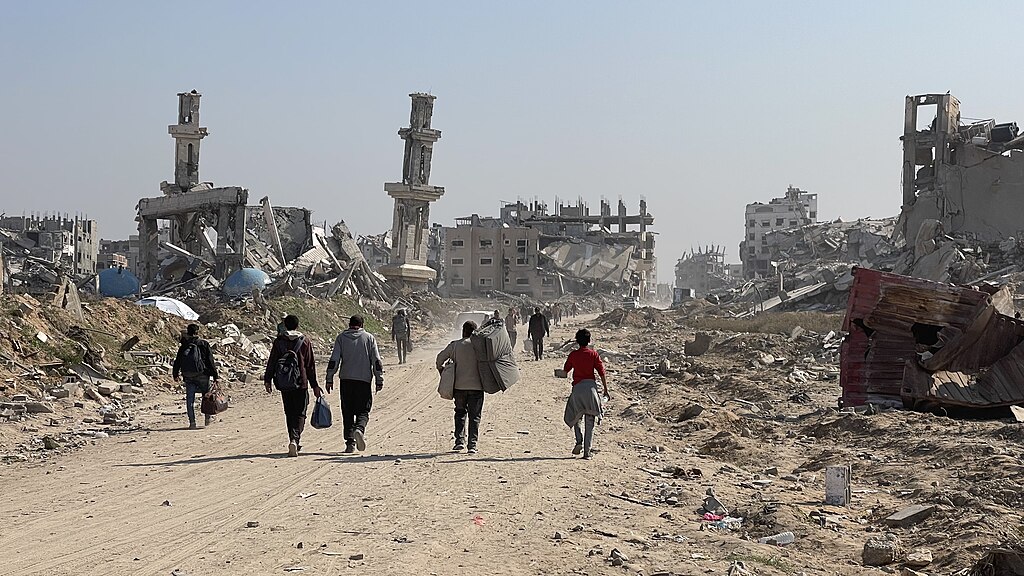
The United Nations and more than 200 local and international aid organizations have warned that humanitarian operations in the Palestinian territories, especially Gaza, are at serious risk of collapse unless Israel removes what they describe as restrictive and politicized obstacles to aid delivery. In a joint statement released on Wednesday, the groups highlighted a “vague, arbitrary, and highly politicized” registration and re-registration process that could force dozens of international non-governmental organizations (INGOs) to halt their work by the end of the year.
According to the statement, many international aid groups face de-registration by December 31. If that occurs, they would be legally required to close their operations within 60 days, a move that aid agencies say would have devastating consequences for civilians already facing extreme humanitarian conditions. INGOs currently run or support most of Gaza’s field hospitals, primary healthcare centers, emergency shelters, water and sanitation services, nutrition programs for malnourished children, and mine action activities. The U.N. stressed that the loss of these organizations would severely undermine access to essential and life-saving services.
Aid groups also warned that millions of dollars’ worth of critical humanitarian supplies remain stuck outside Gaza due to ongoing administrative delays and other impediments. These supplies include food, medical equipment, hygiene kits, and shelter materials urgently needed by civilians. While Israel introduced a new registration system in March and approved some organizations, aid agencies say the re-registration process and other restrictions continue to disrupt humanitarian operations and delay aid delivery.
The warning comes amid a fragile ceasefire that began on October 10 under the first phase of U.S. President Donald Trump’s Gaza plan. The truce led to hostage releases, the freeing of detained Palestinians, and an increase in aid entering Gaza, where famine conditions were reported earlier this year. However, Hamas claims fewer aid trucks are entering than agreed, and humanitarian groups argue that current aid levels remain far below what is required. Israel denies blocking aid and says it is meeting its obligations under the ceasefire.
The U.N. emphasized that it cannot replace the role of INGOs if they are forced to shut down, warning that humanitarian assistance cannot be substituted by alternative actors operating outside established humanitarian principles. The statement concluded by stressing that humanitarian access is not optional or political and that life-saving aid must reach Palestinians without further delay.