


 What is Zionism? The different meanings of a contested term
  New Zealand Labour Backs Social Media Ban for Under-16s
  Nvidia-Groq AI Chip Deal Faces U.S. Antitrust Probe
  Rodrigo Duterte Makes First Public Appearance at ICC in 18 Months
  U.S. Issues Cuba Health Alert as Illnesses Rise
  Trump Threatens EU Tariffs Over Canada Membership Proposal
  U.S. Imposes New Visa Restrictions Over South Africa Policies
  Lula, Flavio Bolsonaro Deadlocked in Brazil Election Polls
  Australia Defends Social Media Algorithm Law Amid US Concerns
  Synthetic data could ease people’s concerns about privacy breaches. But who gets to create it?
  Judge Blocks Trump Rule Limiting Foreign Student Visas
  US Judge Dismisses Imran Ahmed Deportation Lawsuit
  Nvidia CEO Jensen Huang Expected at Trump-Xi State Dinner
  Texas Republicans Turn Against AI Data Centers as Election Backlash Grows
  ICE Agent Arrested in Minneapolis Over Venezuelan Man Shooting
  Trump Eyes End to Iran War, Plans Gulf Leaders Meeting
  Trump Hopes Iran War Nears End as Yemen Fighting Escalates


 Add as a preferred source on Google
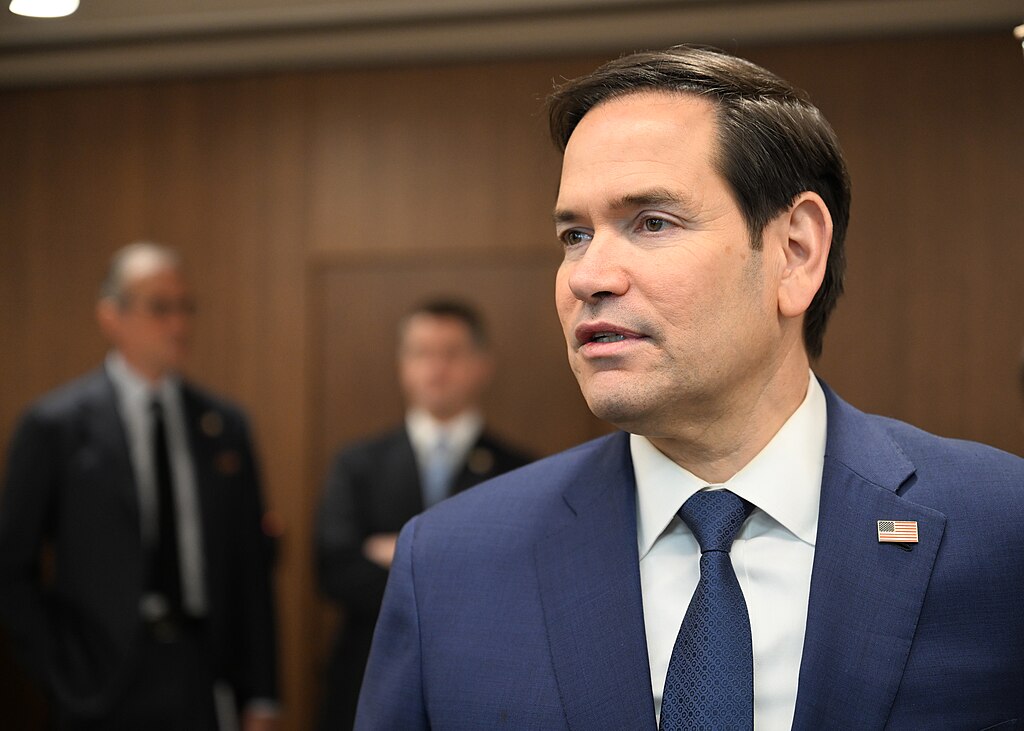
U.S. Secretary of State Marco Rubio has clarified that Iranian players will be allowed to participate in the 2026 FIFA World Cup, easing concerns about a potential ban amid rising geopolitical tensions. Speaking to reporters, Rubio emphasized that the United States has “no objections” to Iran’s national team competing in the tournament, which will be hosted across the U.S., Mexico, and Canada starting June 11, 2026.
Rubio stressed that the U.S. position is focused on security rather than restricting athletes. He explained that while Iranian football players are welcome, individuals with ties to Iran’s Islamic Revolutionary Guard Corps (IRGC) will not be permitted entry. The IRGC is designated by Washington as a foreign terrorist organization, making its affiliates subject to strict travel restrictions. According to Rubio, the concern lies in preventing such individuals from entering the country under the guise of media personnel or support staff.
Former President Donald Trump echoed this stance, stating that his administration would not want to penalize athletes for political issues. The approach highlights an effort to separate sports from international conflict while maintaining national security priorities.
The discussion comes amid speculation surrounding Iran’s participation in the World Cup. Paolo Zampolli, a Trump envoy with no official role in the tournament, previously suggested Italy should replace Iran. However, there is currently no indication that FIFA plans to ban or replace the Iranian team.
Following the escalation of the Iran conflict earlier this year, Iran reportedly requested that its group-stage matches be moved from the United States to Mexico, though FIFA rejected the proposal. Despite ongoing tensions and a fragile ceasefire in the region, preparations for the 2026 FIFA World Cup continue as scheduled.
This development underscores the balance between global sports diplomacy and security concerns, ensuring the tournament remains inclusive while addressing sensitive geopolitical issues.







