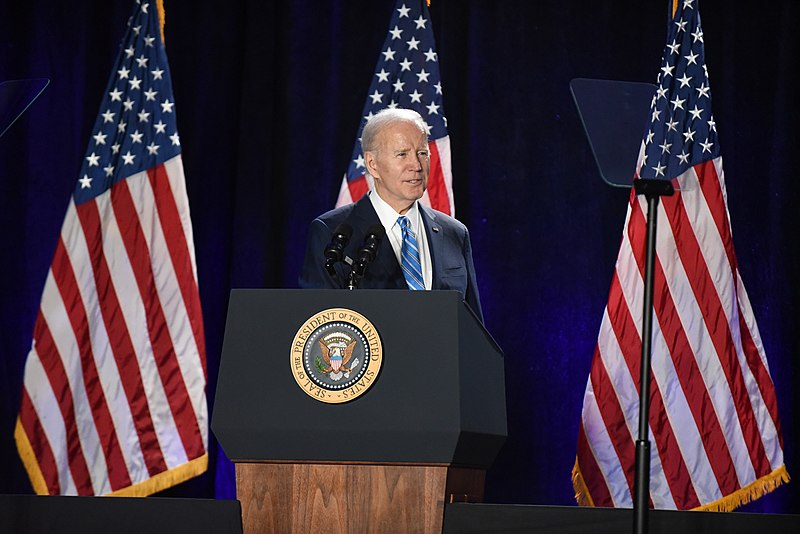
The White House said this week that US President Joe Biden is asking Congress to provide $1.6 billion to tackle fraud linked to the country’s pandemic relief programs. The effort also aims to help victims of identity theft.
The White House said Biden plans to ask $1.6 billion from Congress to investigate fraud linked to the COVID-19 pandemic relief programs. The initiative, led by adviser Gene Sperling, will aim to demonstrate renewed toughness on pandemic fraud ahead of the promised probes by House Republicans on the trillions of dollars of pandemic relief that were approved under Biden and his immediate Republican predecessor Donald Trump.
The pandemic aid helped fund expanded unemployment benefits to workers and forgivable loans under the Paycheck Protection Program to companies if they kept their workers employed. The $1.6 billion funding request includes $600 million for the investigation of large-scale fraud by crime syndicates, $600 million for fraud and identity theft protection, and $400 million to help identity theft victims.
Biden is also calling on Congress to increase the statute of limitations on serious pandemic unemployment insurance fraud to 10 years, according to the White House. The funding would help triple the size of the COVID Strike Force teams that were created by the Justice Department. In one probe, the task force was able to recover $286 million in stolen pandemic relief funds and investigators have since identified several other cases.
The funds would also help improve the IdentityTheft.org website to help provide individuals with a way to report identity theft and receive personalized assistance on the matter. The United States is already investigating many fraud cases related to federal assistance programs, including the Paycheck Protection Program, unemployment insurance, and Medicare.
On Thursday, Biden said he would sign a Republican-led bill that would overturn changes to Washington DC’s laws that lowered penalties should the legislation pass the Democratic-controlled Senate. Following a meeting with Senate Democrats, Biden reiterated his support for DC’s statehood but voiced his opposition to the changes to penalties for crimes such as carjacking.
The city council in Washington, DC, has faced criticism for lowering the penalties for burglary, carjacking, and other crimes.