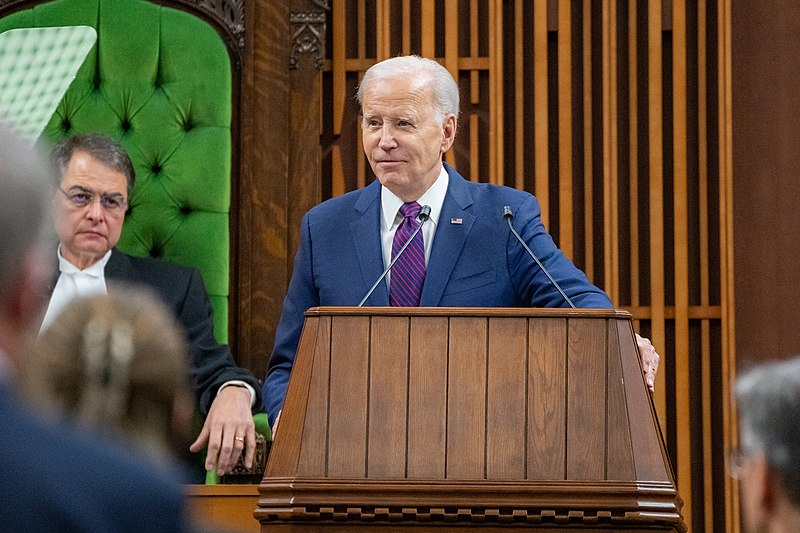
US President Joe Biden signed a new executive order targeting the government’s use of commercial spyware. The move comes amidst efforts to use such technology by governments around the world to target political dissent.
Biden signed the executive order on Monday that would curb the government’s use of commercial spyware technology. The order follows the administration’s announcement that it would be sanctioning the Israeli spyware firm NSO Group, which has been at the center of the debate surrounding spyware usage. The firm’s Pegasus technology has been linked to the surveillance of political figures, journalists, and human rights advocates.
“Misuse of these powerful surveillance tools has not been limited to authoritarian regimes,” said the White House in a statement. “Democratic governments have also confronted revelations that actors within their systems have used commercial spyware to target their citizens without proper legal authorization, safeguards, and oversight.”
The executive order was announced as Washington is gearing up to host another “summit for democracy” that will take place this week. The order includes exceptions for government agencies to use such spyware programs should the leadership determine that the software does not pose a counterintelligence or national security risk.
The order also does not apply to spyware created by government institutions, including the Central Intelligence Agency and the National Security Agency, which have histories of unlawful surveillance.
Human rights groups have also warned that commercial spyware has increased the accessibility to surveillance tools, with countries such as Mexico, El Salvador, Saudi Arabia, and the United Arab Emirates allegedly using the software to target journalists and human rights groups.
On Tuesday, Biden called on Republican House Speaker Kevin McCarthy to outline the spending cuts that congressional Republicans want in exchange for raising the country’s debt ceiling. Biden called on McCarthy to lay out his proposals before lawmakers leave for a two-week recess that would start on Thursday. Biden’s response follows McCarthy’s proposal of cutting domestic spending, unspent COVID-19 relief funds, and other changes that he claimed would save trillions.
McCarthy’s proposals lacked specific details but adhered to the demands of far-right Republicans in the House of Representatives compared to the more moderate Republicans. Biden has said that the GOP-controlled House raise the debt ceiling without conditions and then present a fiscal 2024 spending plan before he would engage in talks about government spending.