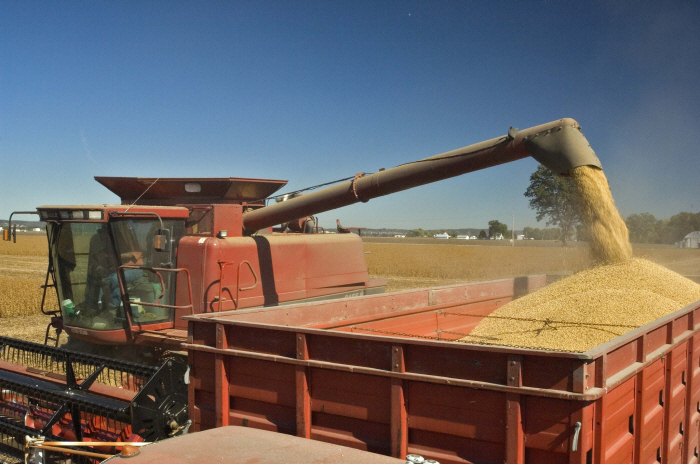
U.S. soybean exports could drop by 20% and farmer incomes may take a major hit if the U.S.-China trade dispute isn’t resolved soon, according to agribusiness consultancy AgResource. Despite a temporary truce in the trade war announced Monday, Chinese tariffs on U.S. soybeans—reduced from 145% to 10%—remain too high to make American soy competitive in the Chinese market, AgResource President Dan Basse told Reuters.
Without a comprehensive trade agreement, U.S. soybean exports may fall to 1.5 billion bushels from the previously estimated 1.865 billion. Soybean futures on the Chicago Board of Trade could slide to $9 per bushel, down from $10.60. Basse warned that a deal must be struck by late summer to prevent further losses in U.S. farm income, noting that “the clock is ticking.”
In a best-case scenario where tariffs are fully removed, soybean prices could climb to $13 a bushel. However, global competition is intensifying. Brazil, now the dominant soybean supplier to China, is poised to export an additional 20 million metric tons by September following a record harvest. Brazilian soybeans are cheaper and unaffected by tariffs, giving them a clear advantage.
China, the world’s largest soybean importer, currently sources around 70% of its soybean imports from Brazil. Meanwhile, the impact on other crops like corn and wheat is less severe but still notable. Corn prices could decline from $4.40 to $3.70 per bushel, while wheat may fall from $5.56 to $4.90 if the dispute drags on.
U.S. farmers remain concerned that the tariff pause alone won’t be enough to restore lost market share in China amid growing competition and global price pressures.