


 New Zealand Labour Backs Social Media Ban for Under-16s
  Carney’s Trump Tariff Pushback Wins Canadian Support, but Economic Risks Mount
  ICE to Complete Nationwide Body Camera Rollout by End of August
  BofA Names ASML Top Semiconductor Equipment Pick on Growth, Valuation
  Nvidia Options Price in $280 Billion Earnings Swing
  FCC Steps Up China Tech Crackdown as Beijing Pushes Back
  Nepal Declines Foreign Rescue Aid After Deadly Flash Flood
  Iran Weighs Conditions to Reopen Strait of Hormuz
  Samsung Shares Tumble 8% as $79 Billion Return Plan Disappoints
  Prince Harry Faces Potential Multi-Million-Pound Legal Bill in Daily Mail Case
  US Military Uses Laser to Shoot Down Cartel Drones at Mexico Border
  Qatar PM Heads to Tehran to Revive Iran-US Diplomacy
  SEC Sues Former Tricolor Executives Over $1.9 Billion Investor Fraud Scheme
  Judge Blocks Trump Mail Voting Order Ahead of 2026 Midterms
  Trump Imposes New US Tariffs on Drone Imports Over National Security Concerns
  Trump Orders Reduction in U.S.-South Korea Military Drills, Citing Kim Jong Un Ties
  Israel Weighs Expelling UK Officials From Gaza Coordination Center


 Add as a preferred source on Google
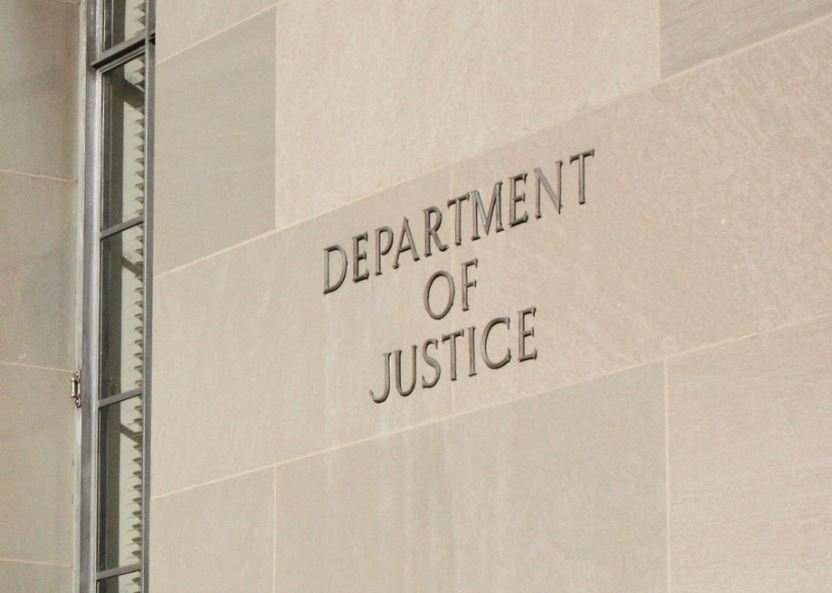
The U.S. Justice Department has successfully executed a court-authorized operation to dismantle a DNS hijacking network tied to Russian military intelligence. The network was run by GRU Military Unit 26165, a cyber unit operating under Russia's Main Intelligence Directorate of the General Staff.
According to federal authorities, the GRU exploited compromised routers across the globe to carry out large-scale espionage campaigns. Thousands of devices were infiltrated, allowing Russian operatives to intercept unencrypted network traffic and harvest sensitive data — including passwords, authentication tokens, and confidential emails — from victims in military, government, and critical infrastructure sectors worldwide.
The FBI played a central role in the takedown, identifying affected routers on U.S. soil, gathering key intelligence on Russian targeting activity, and restoring compromised devices to their original settings. Brett Leatherman, Assistant Director of the FBI's Cyber Division, confirmed that without intervention, the GRU would have continued siphoning sensitive information undetected. Dubbed "Operation Masquerade," the coordinated effort brought together cybersecurity partners from 15 countries, underscoring the global scope of both the threat and the response.
Microsoft, which released findings ahead of the Justice Department's announcement, reported that the hacking campaign affected more than 200 organizations and approximately 5,000 consumer devices. Cybersecurity firm Lumen Technologies' Black Lotus Labs, which had previously flagged part of the botnet infrastructure, noted that primary targets included government ministries, law enforcement bodies, and third-party email providers across the U.S., Europe, Afghanistan, North Africa, Central America, and Southeast Asia.
Germany and the United Kingdom also issued cybersecurity advisories on the same day, reinforcing the widespread concern over Russian state-sponsored cyber threats. The Russian Embassy in Washington offered no response to requests for comment. Leatherman emphasized that Russia's cyber program remains a persistent and evolving danger to global digital security.







