


 Philips Shares Slide 10% Despite Earnings Beat as Weak Orders Raise Growth Concerns
  AstraZeneca Q2 Earnings Beat Forecasts as Oncology Growth Supports 2026 Outlook
  Brown-Forman Rejects Sazerac’s $15 Billion Takeover Bid as Family Backs Independence
  Trump Administration Bars U.S. Travelers From Congo Flights Amid Ebola Outbreak
  SAP Beats Q2 Revenue Estimates as Cloud Backlog and Business AI Demand Drive Growth.
  Tech Stock Positioning Nears Neutral as Investor Rotation Enters Final Phase, Deutsche Bank Says
  FDA Investigates New Cyclospora Outbreak as U.S. Cases Continue to Rise
  US Investigates Moonshot Over Alleged Use of Advanced AI Chips and IP Theft
  US-Backed Pediatric HIV Treatment Drops After Foreign Aid Changes, Study Finds
  EEOC Drops Penn Subpoena in Antisemitism Probe, Investigation Continues
  Brazil Rejects Visas for Trump Officials Ahead of Presidential Election
  Johnson & Johnson Proposes $5.5 Billion Talc Settlement to Resolve U.S. Ovarian Cancer Lawsuits
  Trump Slams New York Data Center Ban, Warns AI Investment Could Shift to Other States
  TeamViewer Shares Fall Despite Profit Growth as ARR and Customer Base Decline
  Unilever Raises 2026 Sales Outlook After Strong Q2 Volume Growth
  U.S. Imposes 25% Tariff on Select Brazilian Imports After Section 301 Trade Investigation
  Intel Stock Slips After Earnings Rally Despite Strong AI-Driven Revenue Growth


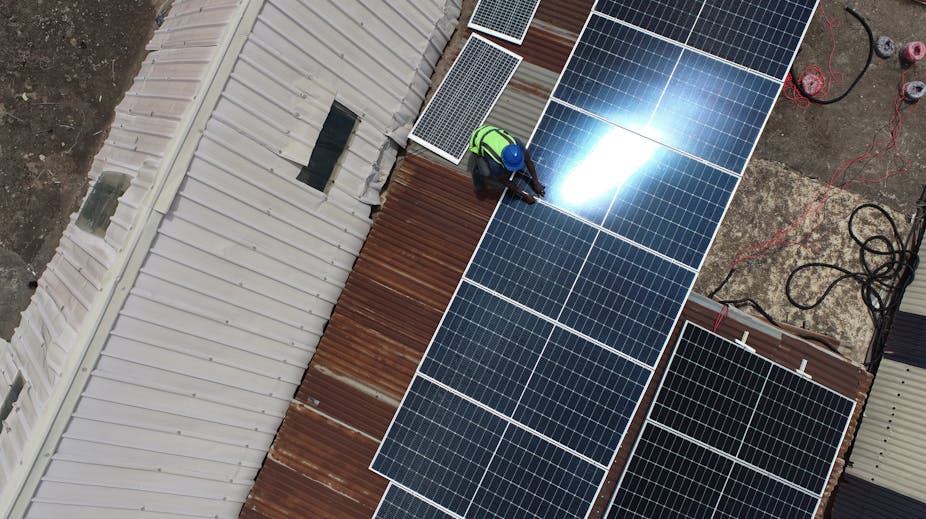
U.S. trade officials have finalized significant tariffs on most solar cells imported from Southeast Asia, a pivotal move in a year-long investigation targeting unfair trade practices. The case was initiated by Hanwha Qcells of Korea, First Solar Inc (NASDAQ:FSLR), and other U.S. manufacturers, who claimed Chinese companies were undercutting prices and receiving unfair subsidies via factories in Malaysia, Cambodia, Thailand, and Vietnam.
The American Alliance for Solar Manufacturing Trade Committee accused these Chinese-owned producers of dumping solar panels at prices below cost and distorting the market with government-backed support. Final tariffs announced Monday are notably higher than preliminary rates, with duties varying by company and country.
Jinko Solar’s products from Malaysia will face combined tariffs of 41.56%, while Trina Solar’s Thai-made products are hit with an eye-popping 375.19%. Cambodian producers, who did not cooperate with the U.S. investigation, were slapped with tariffs exceeding 3,500%.
“These are very strong results,” said Tim Brightbill, counsel for the U.S. solar group. “We are confident they will counteract the unfair trade practices hurting domestic manufacturing.”
In 2023, over $10 billion in solar products were imported from the targeted countries, making up the bulk of U.S. supply. Following the tariff threat, imports from those nations have plunged, with new sourcing emerging from countries like Laos and Indonesia.
However, critics including the Solar Energy Industries Association (SEIA) argue that higher costs on imported cells could hinder growth in the U.S. solar industry, which has expanded under the 2022 clean energy manufacturing subsidies. The International Trade Commission is set to vote in June on whether these imports caused material harm to U.S. industry, a key step for final implementation of the tariffs.







