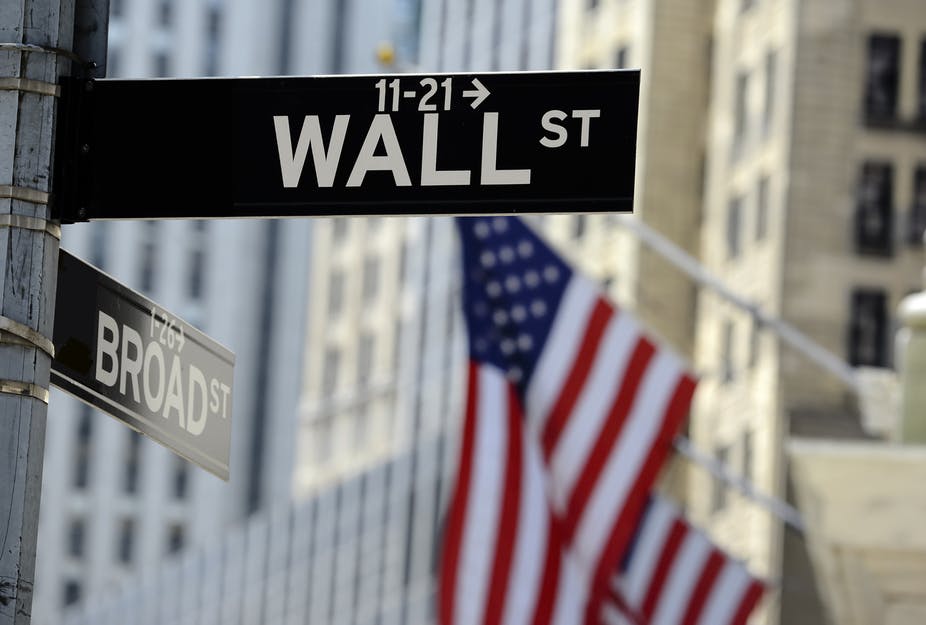
U.S. stock index futures edged slightly lower Wednesday evening as investors monitored the fragile state of a newly announced Iran-U.S. ceasefire agreement. The cautious overnight movement followed an exceptional trading session on Wall Street, where major indexes posted some of their strongest single-day gains in months after Washington and Tehran signaled a temporary halt to hostilities.
S&P 500 futures slipped 0.1% to 6,816.0, Nasdaq 100 futures declined 0.15% to 25,036.25, and Dow Jones futures dropped 0.1% to 48,112.0 as of 7:20 PM ET. The pullback came despite the Dow recording its best daily performance in a year during the regular session, driven largely by optimism surrounding the proposed two-week ceasefire.
However, the agreement quickly ran into turbulence. Iran accused the United States and Israel of breaching multiple clauses in a 10-point peace proposal, most notably over Israel's continued military operations against Hezbollah forces in Lebanon. While Iran maintained that Lebanon was covered under the ceasefire terms, the White House disputed this interpretation, and Israel made clear it had no intention of halting its offensive there. In a further escalation, Iran closed the Strait of Hormuz in response, reversing an earlier pledge to allow safe passage during the truce period. Oil prices, which had initially dropped on ceasefire news, partially recovered following these developments. U.S. and Iranian officials are expected to hold formal talks in Pakistan later this week.
During the regular session, the S&P 500 gained 2.5%, the Dow surged 2.9%, and the Nasdaq climbed 2.8%. Chipmakers led the rally, with the Philadelphia Semiconductor Index jumping over 6%, buoyed by strong quarterly earnings guidance from Samsung Electronics. Investors also absorbed hawkish signals from the Federal Reserve's March meeting minutes, where policymakers flagged rising oil prices as a potential inflation risk in the months ahead.