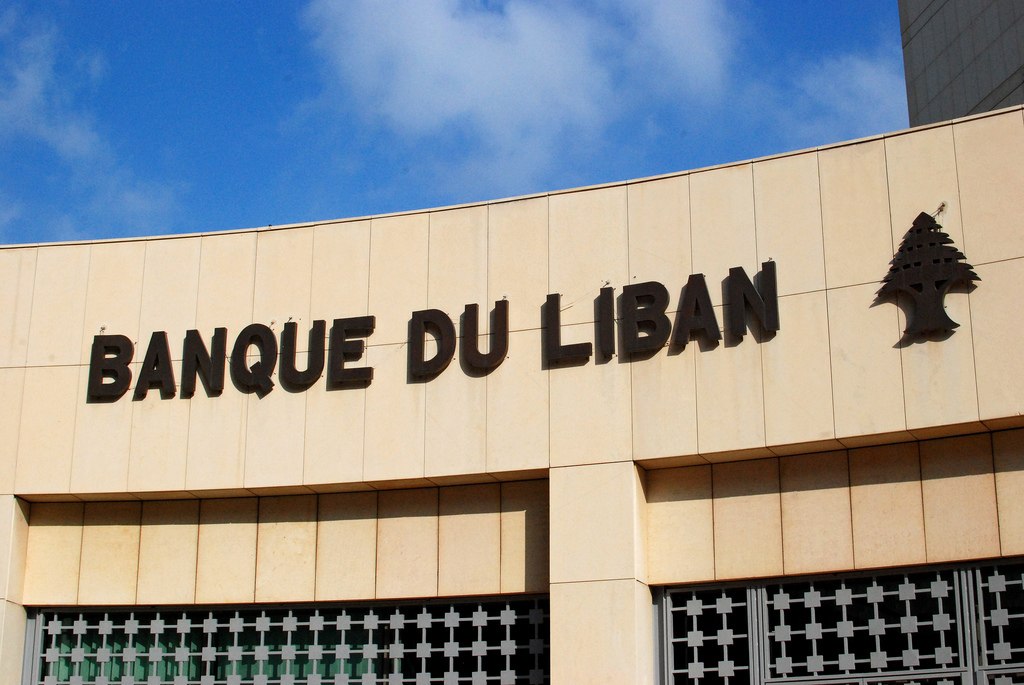
The U.S. is actively engaging with Lebanon’s government to influence the selection of its next central bank governor, aiming to curb corruption and illicit financial activities linked to Hezbollah, according to multiple sources.
Washington is reviewing candidates for the role, reflecting its deep involvement in Lebanon amid a prolonged financial crisis. This move follows Hezbollah’s weakened influence after last year’s conflict with Israel and the election of U.S.-backed Joseph Aoun as Lebanon’s president. The new administration, which excludes Hezbollah’s direct participation, is now tasked with appointing a permanent central bank governor after Wassim Mansouri’s interim tenure.
According to sources, U.S. officials have met with several candidates in Washington and Beirut, assessing their stance on combating terrorist financing and implementing economic reforms. The criteria set by the U.S. emphasize candidates with no ties to Hezbollah and a strong commitment to transparency. Among the contenders are former minister Camille Abousleiman, investment executive Firas Abi-Nassif, IMF’s Jihad Azour, and asset managers Philippe Jabre and Karim Souaid.
The next central bank chief will be pivotal in restoring Lebanon’s financial stability. The nation’s economic meltdown, triggered by corruption and mismanagement, has devalued the Lebanese pound, paralyzed the banking sector, and impoverished millions. The government seeks to revive stalled IMF negotiations, but financial aid from Western and Arab nations hinges on economic reforms.
Lebanon remains under scrutiny after being placed on a financial watchdog’s "grey list" for failing to address money laundering and terrorist financing concerns. The U.S., in collaboration with Saudi Arabia, is closely monitoring the appointment process to ensure a reform-driven leadership at Lebanon’s central bank.