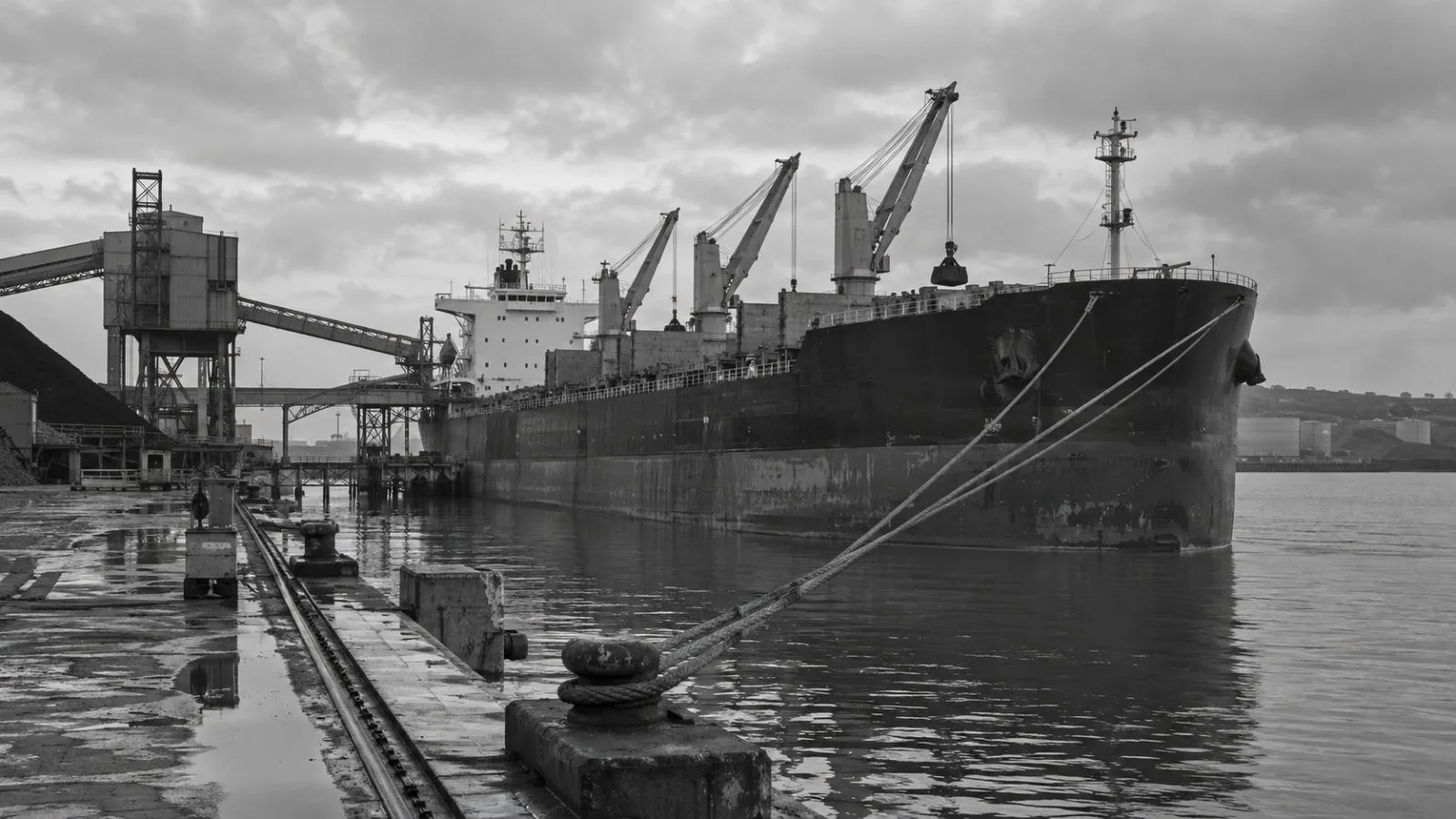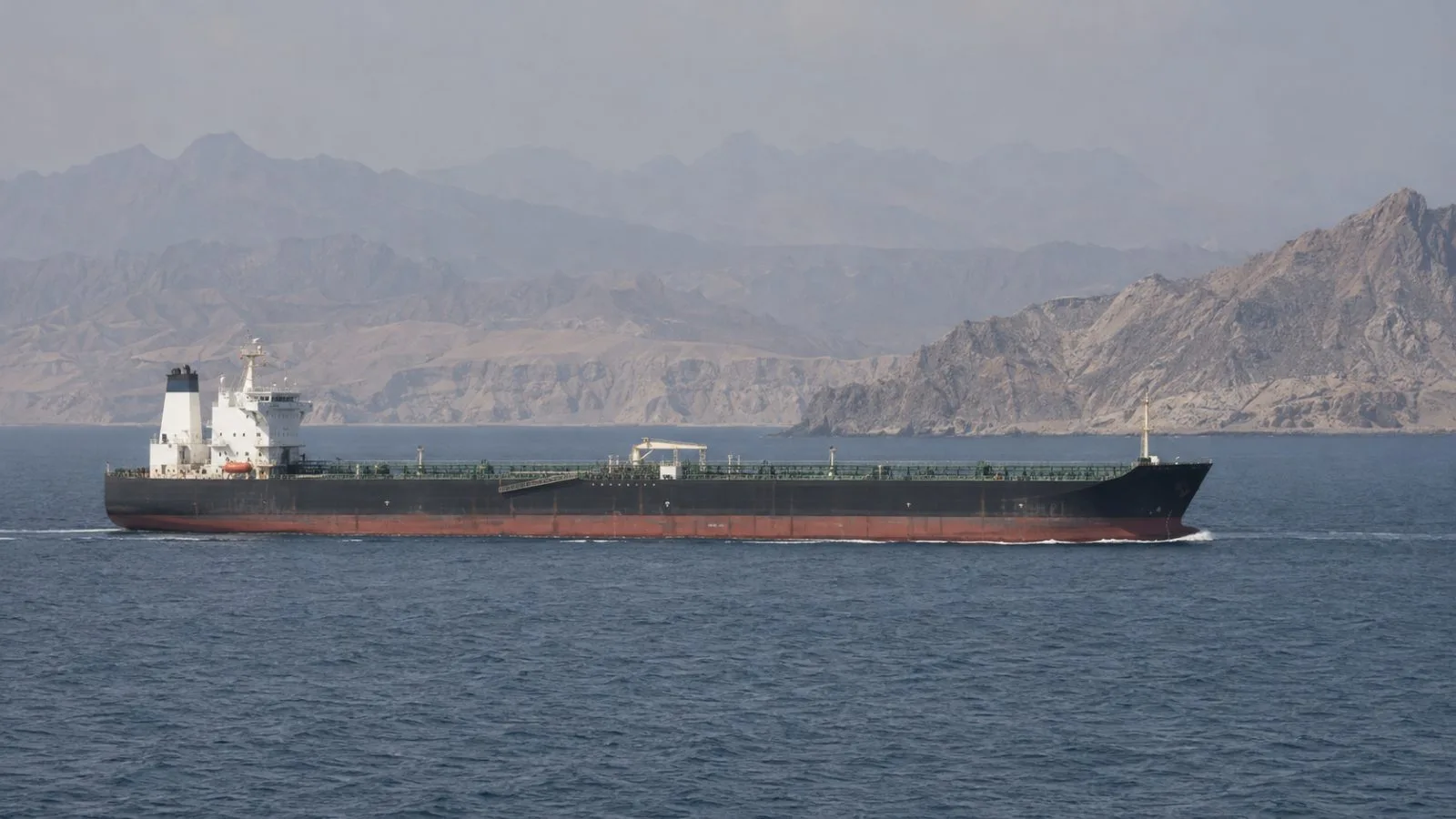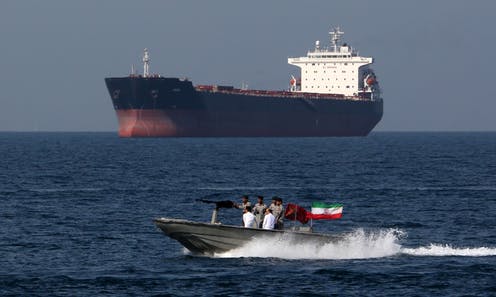
Fragile ceasefire negotiations between the United States and Iran are facing serious pressure after a dramatic weekend of escalating confrontations in and around the Strait of Hormuz. New reporting from the Wall Street Journal indicates that the U.S. military is now prepared to board and seize Iran-linked oil tankers operating in international waters, citing unnamed American officials familiar with the plans.
The standoff intensified after Iranian forces attacked multiple commercial vessels on Saturday and declared the Strait of Hormuz under full military control. This reversal shocked global markets, which had rallied sharply on Friday following statements from Iran's foreign minister suggesting the critical shipping lane — through which roughly 20% of the world's oil supply flows — was open for transit. Oil prices surged in response to the renewed closure.
Iran justified its actions by accusing Washington of violating the ceasefire terms, pointing to an ongoing U.S. naval blockade of Iranian ports as evidence of continued economic aggression. In a dramatic escalation, Iranian Revolutionary Guard gunboats opened fire on a tanker passing through the strait, though British maritime authorities confirmed the vessel and crew remained safe.
Meanwhile, approximately 20 ships waiting to pass through the waterway reversed course toward Oman following Iran's closure announcement, according to shipowners and brokers cited by the Wall Street Journal.
Despite the tensions, President Donald Trump struck a cautiously optimistic tone, dismissing Iran's move as familiar posturing and describing ongoing diplomatic conversations as "very good." He suggested a clearer picture on potential progress could emerge within hours.
Pakistan and Turkey are actively mediating between the two sides, with Pakistani diplomats working to narrow differences. Analysts warn, however, that while both nations have come close to agreement, the path to a comprehensive deal remains uncertain and could take considerable time to finalize.