Global attention has shifted back to escalating US-Iran tensions as diplomatic efforts to end the ongoing conflict show little progress. President Donald Trump stated that Iran could initiate negotiations if it is willing to comply with key conditions, emphasizing that Tehran must never develop nuclear weapons. This statement comes amid stalled peace talks and increasing geopolitical uncertainty in the Middle East, which continues to affect global oil prices and economic stability.
Recent developments indicate that Iran proposed reopening the Strait of Hormuz through mediators, while postponing nuclear discussions. However, disagreements persist, particularly regarding Iran’s uranium enrichment program and US sanctions. Iran insists its nuclear ambitions are peaceful, while Western nations argue otherwise. The lack of agreement has prolonged a conflict that has already disrupted global markets, increased inflation, and impacted international trade routes.
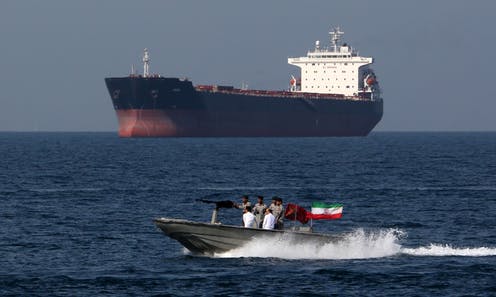
The Strait of Hormuz remains a critical focal point, as it handles a significant portion of the world’s oil supply. Iran’s ability to restrict access to this vital shipping lane has strengthened its negotiating position. Meanwhile, the United States has imposed a blockade on Iranian ports, further complicating diplomatic efforts and intensifying economic pressure.
Diplomatic activity continues, with Iranian officials engaging in talks across Pakistan, Oman, and Russia. Discussions have included regional security, safe maritime transit, and potential frameworks for long-term stability. Despite these efforts, major differences remain unresolved, including Iran’s regional influence and US demands to limit its military capabilities.
Domestically, Trump faces mounting pressure to resolve the conflict, as public support declines. At the same time, Iran’s leadership appears unified in resisting negotiations under pressure. The ongoing situation underscores the complexity of US-Iran relations and highlights the broader impact of Middle East instability on global markets and security.