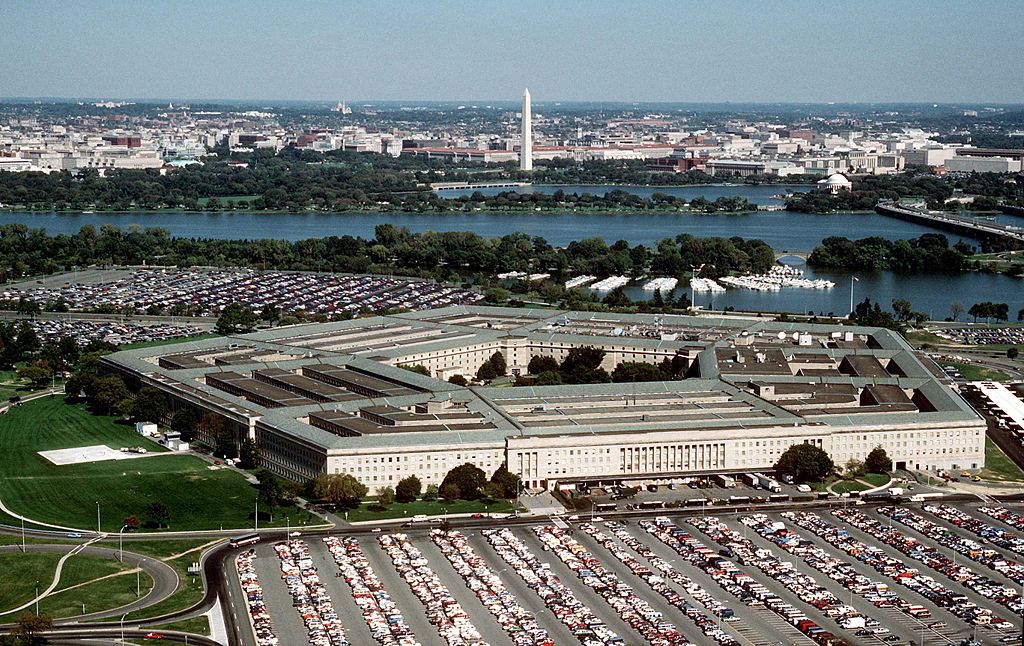
The United States’ ongoing conflict with Iran has already cost an estimated $25 billion, according to a senior Pentagon official, marking the first official figure tied to the war’s growing financial burden. The disclosure comes at a critical political moment, with midterm elections approaching and public opinion increasingly turning against the conflict.
Jules Hurst, currently performing the duties of Pentagon comptroller, revealed the figure during testimony before the House Armed Services Committee. He noted that a significant portion of the spending has gone toward munitions, though he did not provide a detailed breakdown or clarify whether the estimate includes long-term expenses such as rebuilding damaged military infrastructure across the Middle East.
Lawmakers have long pressed for transparency regarding the cost of the war. Representative Adam Smith, the committee’s top Democrat, acknowledged the update but emphasized that officials had delayed providing clear financial data for months.
The conflict began on February 28, when the United States launched strikes against Iran. Since then, tensions have escalated despite a fragile ceasefire currently in place. The Pentagon has significantly increased its military presence in the region, deploying tens of thousands of additional troops and maintaining three aircraft carriers in nearby waters.
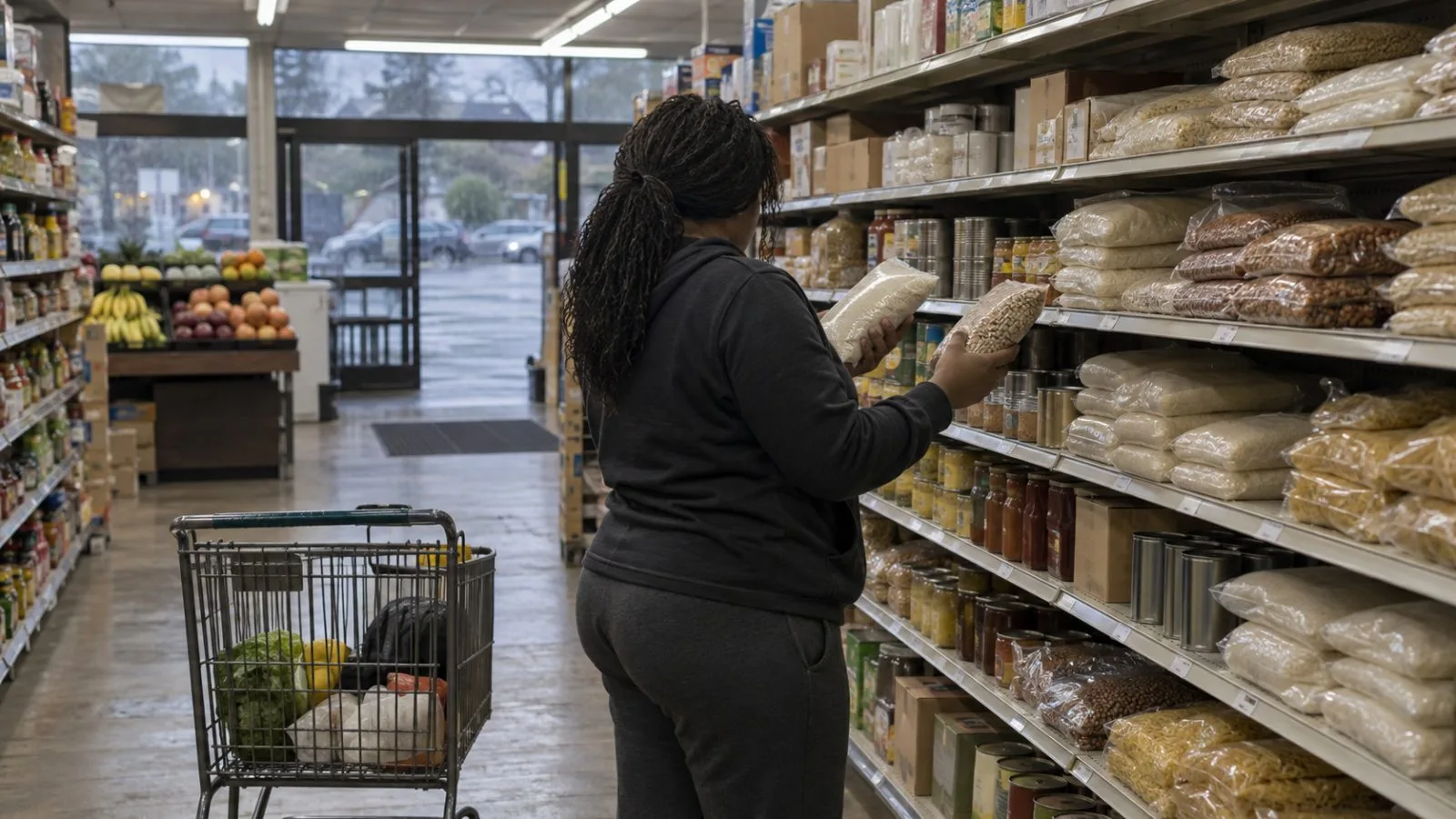
Human costs have also been substantial, with 13 U.S. service members killed and hundreds more injured. Meanwhile, global energy markets have been disrupted, contributing to rising gasoline prices and increased costs for agricultural products like fertilizers. These economic pressures are adding to broader concerns about inflation among American consumers.
Public support for the war has steadily declined. A recent Reuters/Ipsos poll shows only 34% of Americans approve of the conflict, down from 38% in March. As fuel prices climb and economic concerns intensify, Democrats are leveraging the issue to challenge Republicans, linking the war to affordability struggles faced by voters.