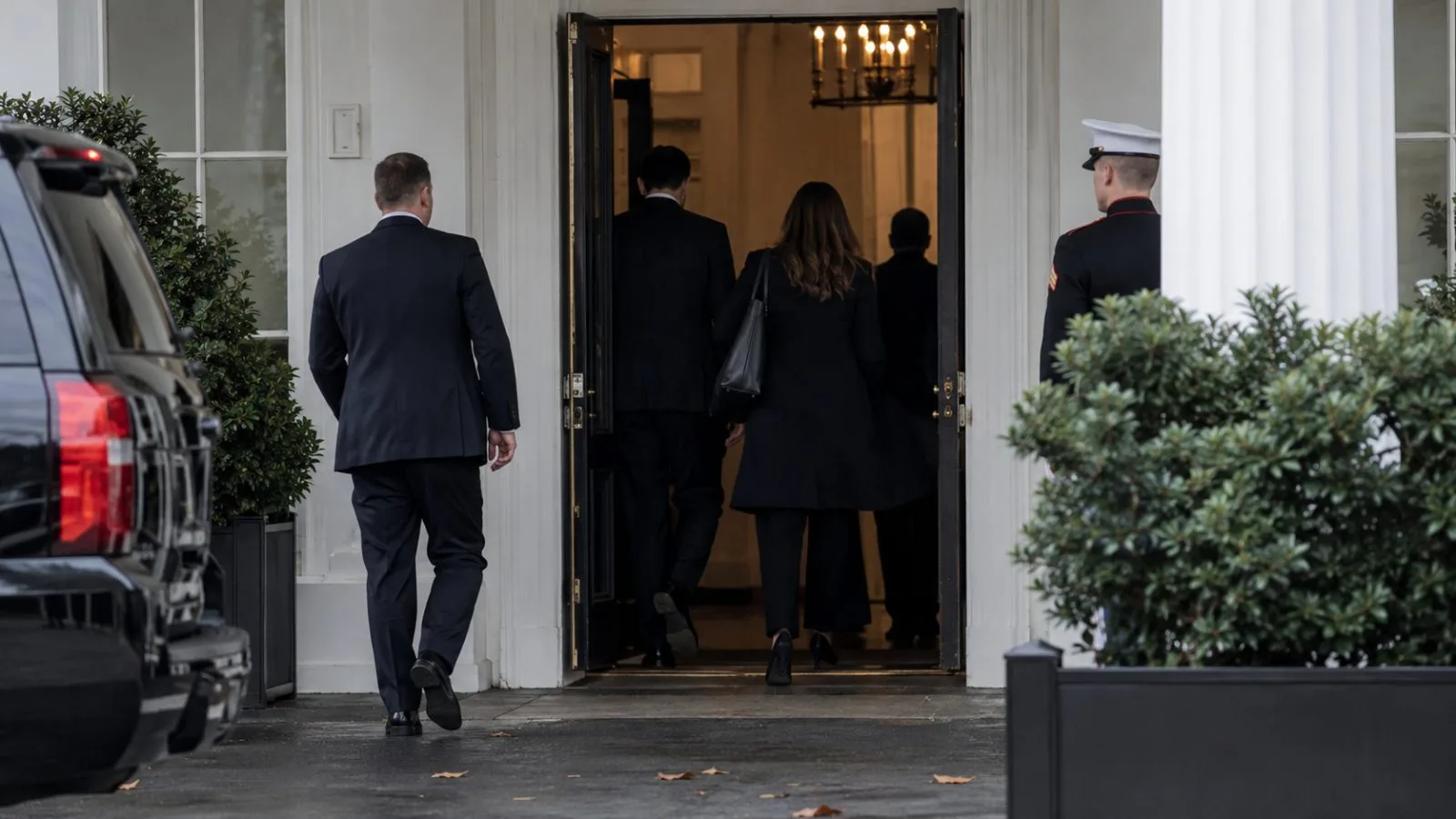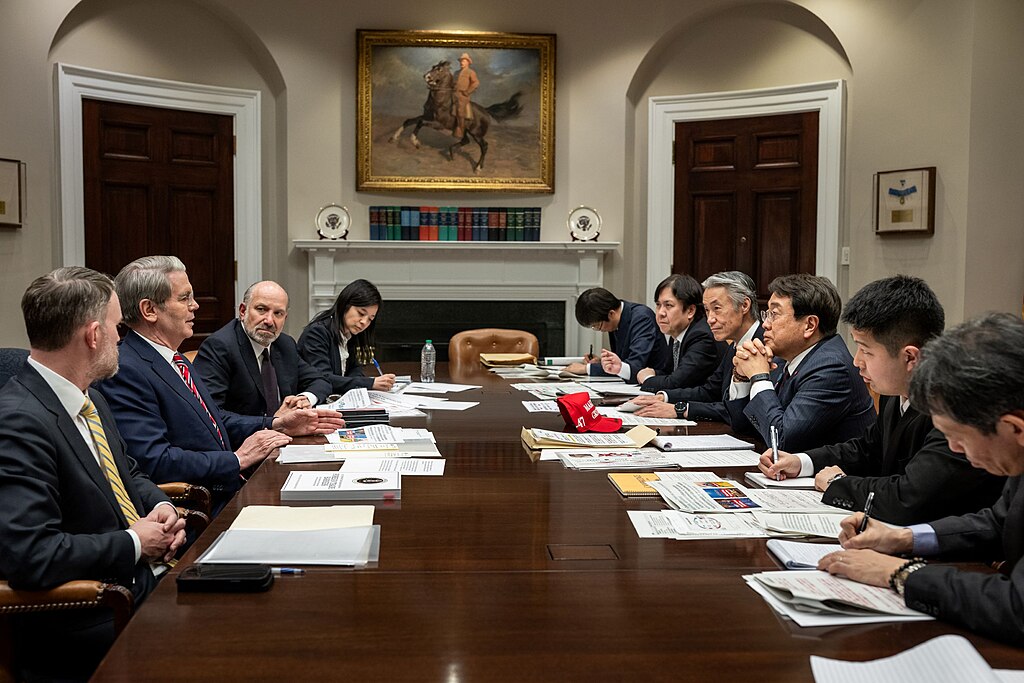
The United States and Japan began working-level trade consultations following "frank and constructive" discussions in Washington, according to the U.S. Treasury Department. U.S. Treasury Secretary Scott Bessent, Commerce Secretary Howard Lutnick, and Trade Representative Jamieson Greer met with Japan’s Economic Revitalization Minister Ryosei Akazawa to address ongoing tariff disputes sparked by President Donald Trump’s recent measures.
Bessent emphasized economic security and the need for fair, reciprocal trade, highlighting concerns over tariffs and non-tariff barriers. He praised Japan’s "fast and positive engagement," expressing hope for swift progress. Greer reaffirmed the strong U.S.-Japan relationship, while Tokyo’s response was notably more cautious.
According to Japan's Nikkei newspaper, U.S. officials showed little willingness to ease tariffs on autos, steel, and aluminum. This stance has fueled Japanese concerns about achieving a cooperative resolution. Richard Katz, a former senior fellow at the Carnegie Council, called Washington’s refusal to discuss key tariffs "aggressive."
Japan reportedly proposed reducing its trade surplus by reviewing non-tariff barriers on auto imports and boosting U.S. agricultural purchases. However, Prime Minister Shigeru Ishiba firmly rejected U.S. auto tariffs, calling them “absolutely unacceptable” and stressing that Japan’s job market must not suffer.
Under Trump’s tariff plan, Japan faces a 24% duty starting in July unless a deal is reached. On April 2, the U.S. imposed a 10% general tariff—exempting Canada, Mexico, and China—while targeting major partners like Japan with higher rates. The U.S. is also pressuring Japan to lower its own tariffs, accusing Tokyo of manipulating the yen to boost exports, a claim Japan denies.
Akazawa stated that both sides aim to reconvene in mid-May as the July deadline looms. The ongoing negotiations will be critical in shaping future U.S.-Japan trade relations.