
Some U.S. lawmakers from both major political parties are questioning whether military action against Iran is the best course for the United States as the country experiences its most significant anti-government protests in years. The debate comes as U.S. President Donald Trump has signaled that American intervention remains a possibility, raising concerns about the potential consequences of escalating tensions with Tehran.
Iranian authorities, including the powerful Revolutionary Guards, have blamed the unrest on terrorist elements and vowed to protect the current governing system. However, several U.S. senators warned that direct military strikes could backfire. Republican Senator Rand Paul stated during an interview on ABC’s “This Week” that bombing Iran may not achieve the intended results, arguing that external attacks often unite populations against a foreign threat rather than weaken governments.
Democratic Senator Mark Warner echoed similar concerns on “Fox News Sunday,” cautioning that U.S. military action could unify Iranians against the United States in a way the Iranian leadership has been unable to do on its own. Warner referenced historical precedent, noting that the U.S.-backed overthrow of Iran’s government in 1953 contributed to long-term instability and ultimately led to the establishment of the Islamic regime in the late 1970s.
According to a report by The Wall Street Journal, U.S. military and diplomatic officials are expected to brief President Trump on various options for Iran, including cyberattacks and possible military measures. Meanwhile, Iran has warned that it would target U.S. military bases if attacked, further heightening regional security concerns.
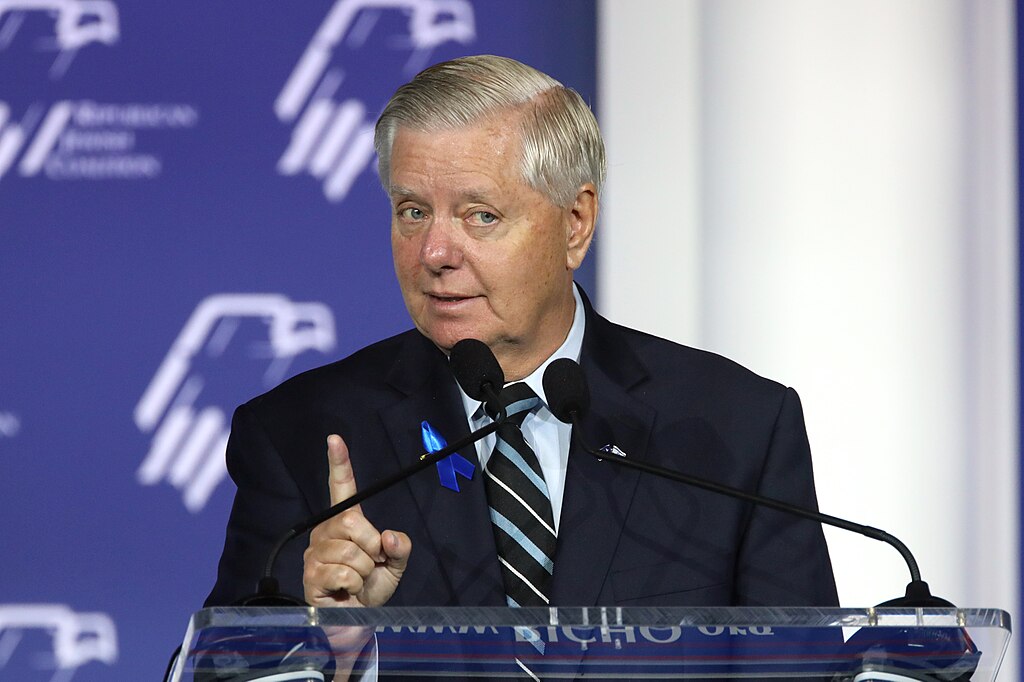
Not all lawmakers oppose a forceful response. Republican Senator Lindsey Graham argued that the U.S. should take stronger action to support protesters and intimidate Iran’s leadership, suggesting that decisive measures are necessary to stop violence against civilians.
Adding to the political complexity, Reza Pahlavi, the U.S.-based son of Iran’s former shah, announced his readiness to return to Iran to help lead a transition toward a democratic government. He emphasized transparency, free elections, and giving Iranians the power to determine their own future.
As debates over U.S. foreign policy toward Iran continue, the situation remains fluid, with potential implications for regional stability and global security.


