


 Brazil Warns EU of Retaliation Over Animal Products Ban
  Anthropic Drops $6 Billion Decart AI Acquisition Talks
  SpaceX Mobile Network Could Cost Up to $130 Billion, Bernstein Says
  Australia Plans New Rules Giving Users Control Over Social Media Feeds
  South Korea, US Discuss Chip Investments Amid Tariff Plans
  OpenAI Launches GPT-6 Astra With Advanced AI Agent Capabilities
  Thomson Reuters C-Track Cyberattack Hits Courts Across U.S. and Canada
  Nvidia CEO Says AGI Has Arrived With OpenAI GPT-6 Astra
  US Tech Giants’ AI Bond Boom Raises Euro Zone Borrowing Risks
  Trump Signs Order to Cut Routine Childhood Vaccines
  Countries Tighten Social Media Bans for Children
  Nvidia Eyes $2.5 Billion Investment in Thinking Machines Lab
  Trump Orders Reduction in U.S.-South Korea Military Drills, Citing Kim Jong Un Ties
  SEC Sues Former Tricolor Executives Over $1.9 Billion Investor Fraud Scheme
  Tesla Cybercab Rides Launch in Austin as NHTSA Reviews Rollout
  Apple’s Phil Schiller Steps Back as Leadership Shake-Up Accelerates


 Add as a preferred source on Google
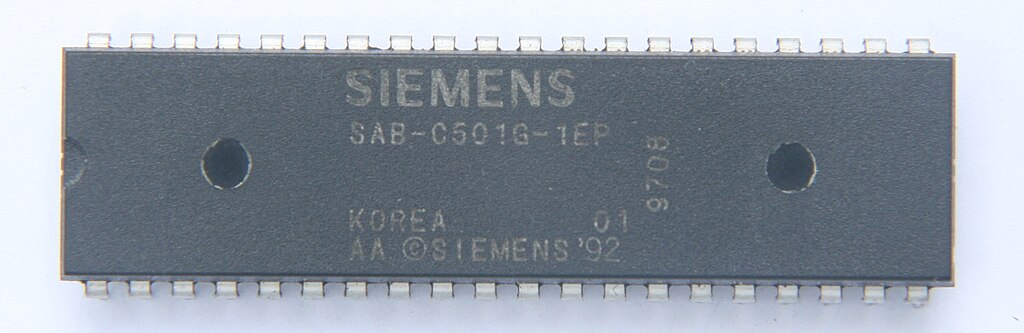
Siemens AG has reportedly received a notice from the U.S. government confirming the removal of export restrictions on its chip design software for use in China, according to Bloomberg News. The decision marks a notable shift in U.S. trade policy amid ongoing tensions with China over access to advanced semiconductor technologies.
The initial export controls, introduced to curb China's development of cutting-edge chips, had affected companies like Siemens that supply essential electronic design automation (EDA) tools. These tools are crucial for developing semiconductors used in a wide range of industries, from telecommunications to automotive technology.
The lifting of restrictions could offer Siemens renewed access to a key market and potentially unlock business opportunities in China’s rapidly growing tech sector. It also suggests the U.S. may be selectively easing certain rules to balance national security concerns with commercial interests.
While Washington continues to enforce broad chip export controls against China, the exemption granted to Siemens indicates a more nuanced regulatory approach. Analysts believe this could benefit both U.S.-allied tech firms and global supply chain dynamics, particularly in semiconductor design and manufacturing.
Siemens has not issued an official statement, and the U.S. Commerce Department has yet to comment on the matter. However, the development is likely to draw attention from the global semiconductor industry, which closely monitors policy changes that impact cross-border technology flows.
As chip demand continues to rise globally, especially for AI and advanced computing, easing some export restrictions could support innovation while maintaining oversight on sensitive technologies. This latest move may signal more targeted licensing decisions ahead as governments aim to support strategic industries without compromising security.







