


 Ukraine Tests New Anti-Drone Weapon After Successful Shahed Intercept
  U.S. Issues Cuba Health Alert as Illnesses Rise
  Paris Talks Focus on Lebanon Army Needs as UNIFIL Exit Looms
  Who should own the knowledge that underpins AI technology?
  Australia Tightens Student Visa Rules, Targets Migration Cut by 2028
  Trump Threatens EU Tariffs Over Canada Membership Proposal
  ICE Agent Arrested in Minneapolis Over Venezuelan Man Shooting
  Trump Hopes Iran War Nears End as Yemen Fighting Escalates
  Synthetic data could ease people’s concerns about privacy breaches. But who gets to create it?
  France Targets Shein, Temu With Fast-Fashion Fees
  Texas Republicans Turn Against AI Data Centers as Election Backlash Grows
  Australia Defends Social Media Algorithm Law Amid US Concerns
  Google Changes EU Spam Policy Amid Antitrust Scrutiny
  Nvidia CEO Jensen Huang Expected at Trump-Xi State Dinner
  US Resumes Immigrant Visa Processing for Hungary, Poland
  Countries Tighten Social Media Bans for Children


 Add as a preferred source on Google
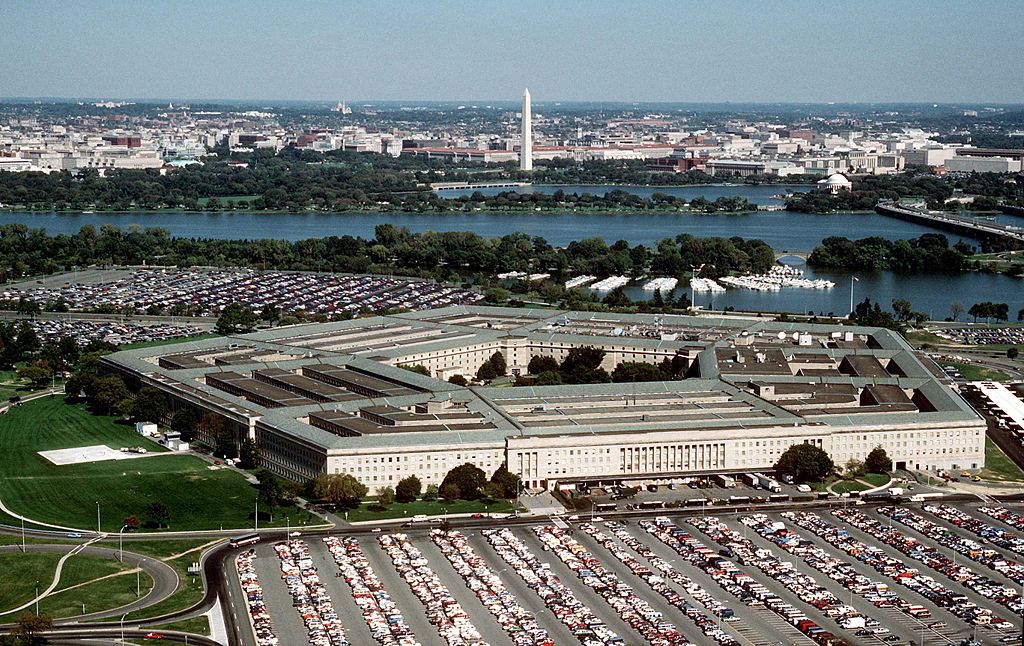
The final text of the U.S. National Defense Authorization Act (NDAA) released this week includes a significant measure aimed at reducing the Pentagon’s reliance on foreign countries—particularly China—for electronic display technology. This annual defense spending bill, which outlines funding and priorities for the U.S. military, could face a congressional vote within days after House and Senate negotiators produced the finalized version.
A key amendment in the bill would require the Department of Defense to identify its long-term needs for electronic displays, essential components found in devices ranging from smartphones and handheld military systems to advanced fighter jets. The Pentagon must map out these requirements through 2040 and develop a comprehensive strategy to eliminate dependence on China, Russia, and other geopolitical rivals for display supplies. Lawmakers expect the Pentagon to deliver a progress report on this initiative by March 2027.
If the legislation passes both chambers of Congress, it will then move to the desk of U.S. President Donald Trump for final approval. The push to secure domestic and allied production of display technology comes amid growing national security concerns. Experts warn that China’s rapid expansion in the global display market—driven by major manufacturers like BOE, which now supplies companies such as Apple—has weakened the competitive position of long-standing U.S. allies including Japan and South Korea. This shift raises questions about whether the U.S. military could reliably source critical display components in the event of geopolitical tensions or conflict.
The NDAA provision reflects increasing efforts to strengthen American supply chains and safeguard access to essential technologies. By targeting electronic displays, lawmakers aim to reduce vulnerabilities and ensure that U.S. defense capabilities are not compromised by foreign dependence.







