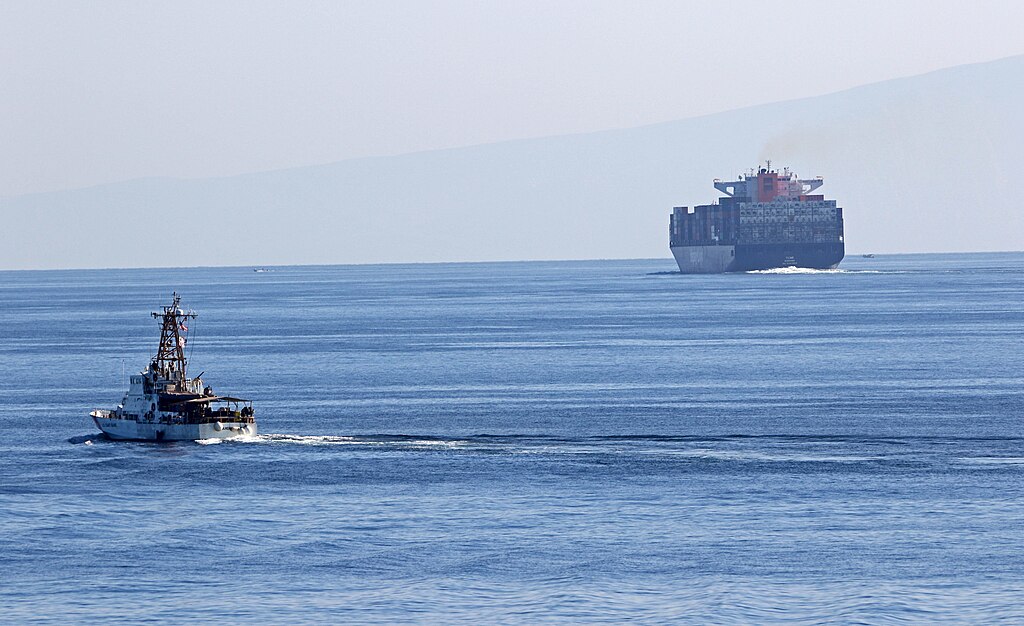
The United States military announced Saturday that two Navy warships have transited the Strait of Hormuz in a strategic move to begin mine-clearing operations in one of the world's most critical maritime corridors. According to a post by U.S. Central Command on X, the deployment was designed to "set conditions" for removing underwater mines from the strait, a narrow waterway that serves as a vital artery for global oil trade.
The Strait of Hormuz connects the Persian Gulf to the Gulf of Oman and is responsible for facilitating the passage of roughly a fifth of the world's oil supply. Any disruption to navigation in this region poses a significant threat to international energy markets and global economic stability, making the safe passage of commercial and military vessels a top priority for the United States and its allies.
By sailing the two warships through the strait, the U.S. military is signaling its commitment to securing open sea lanes and protecting freedom of navigation in the region. Mine-clearing, also known as minesweeping or mine countermeasure operations, involves the detection, neutralization, and removal of explosive naval mines that can be deployed to disrupt or block maritime traffic.
The move comes amid ongoing tensions in the Middle East, where regional conflicts have repeatedly raised concerns about the security of key shipping routes. Military analysts note that safeguarding the Strait of Hormuz is not only a defense priority but also an economic imperative, as disruptions could trigger sharp increases in global oil prices and further strain international supply chains.
The U.S. Central Command has not disclosed a specific timeline for when full mine-clearing operations are expected to be completed, but the deployment of the warships marks a clear first step toward restoring and reinforcing safe maritime transit through the strait.