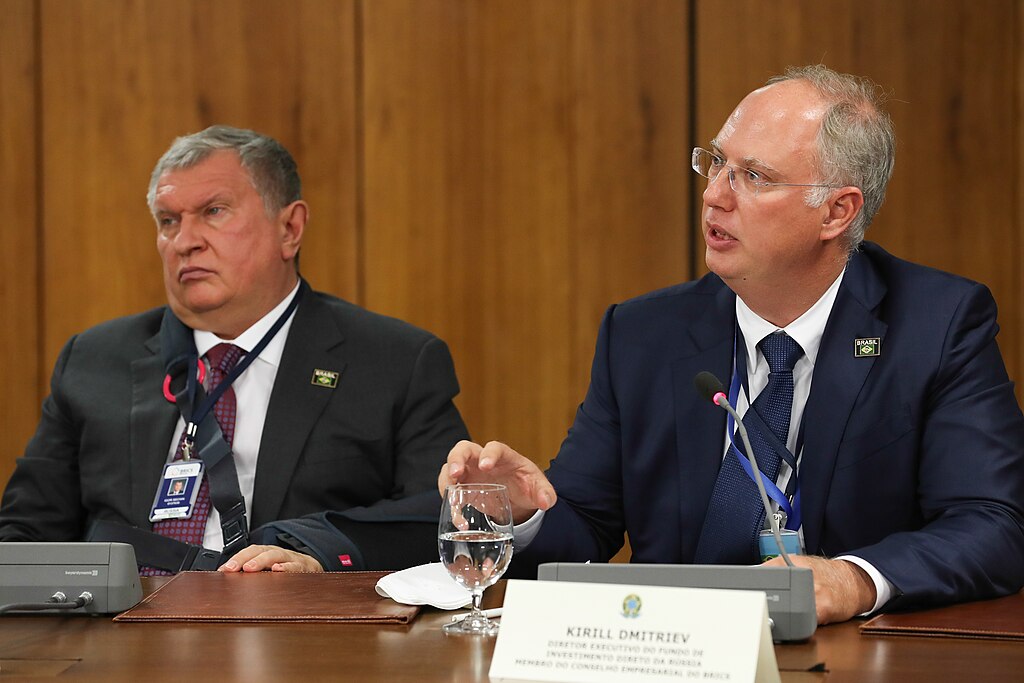
U.S. officials and lawmakers are raising concerns over a private meeting in Miami last month involving representatives of the Trump administration and Kirill Dmitriev, a sanctioned Russian envoy linked to President Vladimir Putin. According to multiple sources, Dmitriev met with special envoy Steve Witkoff and Donald Trump’s son-in-law Jared Kushner to help draft a 28-point plan aimed at ending the war in Ukraine.
The late-October meeting has triggered confusion and unease across Washington and European capitals. Dmitriev, who heads the Russian Direct Investment Fund and has been under U.S. sanctions since Russia’s 2022 invasion of Ukraine, reportedly received a special waiver to enter the United States. His involvement has drawn scrutiny from intelligence officials and raised fears that Moscow’s interests heavily influenced the proposal.
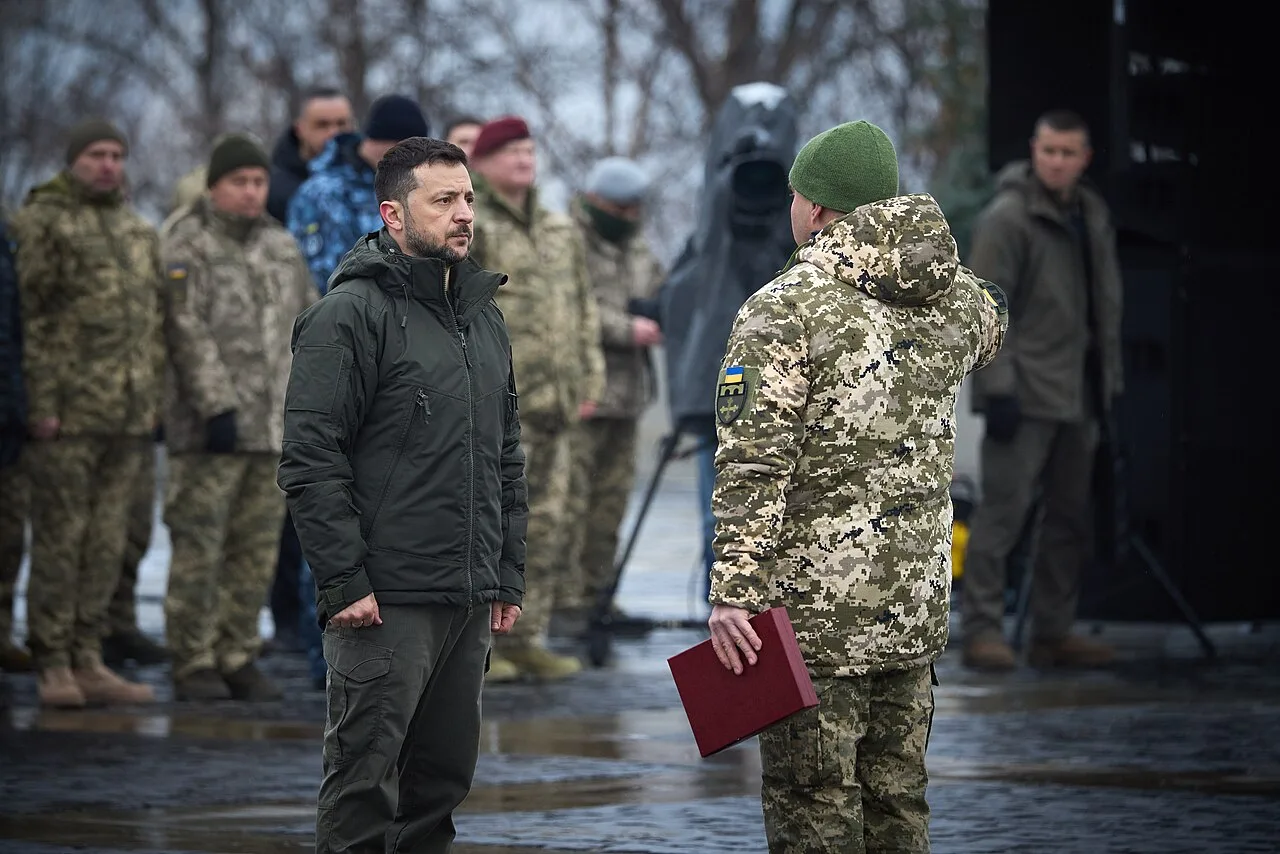
The peace plan, first reported by Axios, calls for major concessions from Ukraine—including relinquishing territory in the east, recognizing Crimea as Russian, and pledging not to join NATO. Ukrainian President Volodymyr Zelenskiy has firmly rejected the idea of ceding land, emphasizing that Ukraine will not compromise its national interests. Despite this, Trump has said he expects Zelenskiy to sign off on the plan by Thanksgiving, and Reuters reported that U.S. officials warned Ukraine that military aid could be affected if it refuses.
Many senior State Department and National Security Council officials were not briefed on the back-channel negotiations. Some lawmakers, including Senate Armed Services Committee Chair Roger Wicker, criticized the proposal as one-sided and unlikely to bring lasting peace. Internally, concerns have also surfaced over Dmitriev’s long history of cultivating ties with U.S. political figures, including previous contacts with Erik Prince and Jared Kushner.
The Miami visit also featured a separate meeting between Dmitriev and Representative Anna Luna, where discussions reportedly focused on boosting U.S.-Russia trade relations. As the controversy grows, officials on Capitol Hill and within the administration remain divided over the legitimacy and implications of the unofficial peace effort.