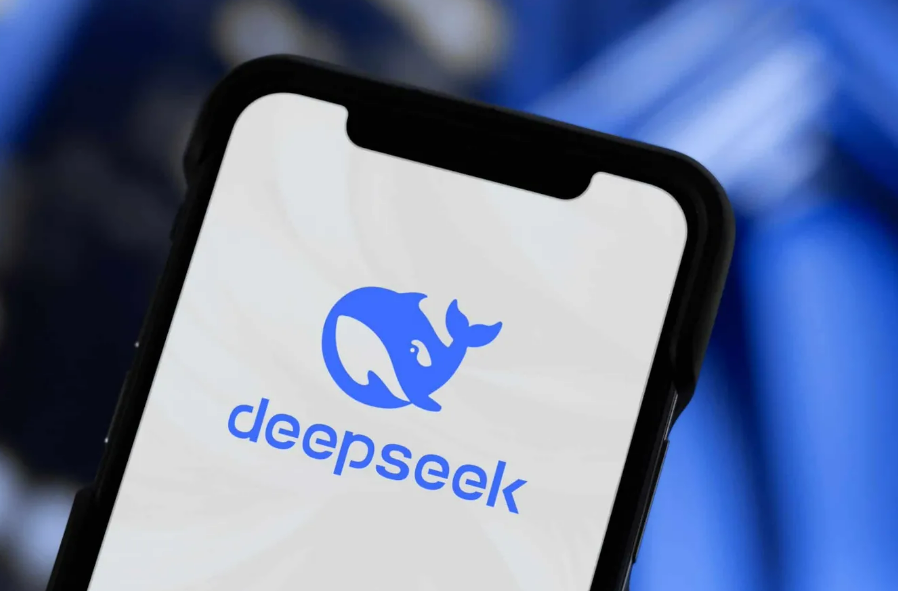
American officials are quietly evaluating Chinese AI models for political alignment with the Chinese Communist Party (CCP), according to a confidential memo obtained by Reuters. The U.S. State and Commerce Departments are conducting tests by asking Chinese and English-language questions to AI systems like Alibaba’s Qwen 3 and DeepSeek’s R1, then scoring their responses for ideological alignment.
These undisclosed evaluations reflect growing U.S.-China competition in artificial intelligence, particularly around large language models. As AI becomes embedded in daily life, concerns are rising over how state influence may shape public perception through these tools.
The memo reveals that Chinese AI models consistently aligned with Beijing’s narrative, especially on controversial issues such as the Tiananmen Square crackdown and the South China Sea. For instance, DeepSeek's model used standardized phrases praising China’s "stability and social harmony" when asked about politically sensitive topics. Each new version of these models reportedly showed increasing signs of censorship.
A U.S. State Department official noted that the findings may eventually be made public to highlight the risks of ideologically skewed AI from geopolitical rivals. China openly states its AI systems must reflect “core socialist values,” ensuring they avoid criticism of the government or sensitive historical events.
Meanwhile, concerns about ideological manipulation in AI extend beyond China. Elon Musk’s xAI chatbot Grok recently faced backlash for generating antisemitic content after a model update. Musk's platform, X, said it is working to remove the offensive material.
The Chinese Embassy acknowledged that China is building a unique AI governance framework prioritizing both development and security. However, neither Alibaba nor DeepSeek responded to requests for comment, and the State and Commerce Departments declined to issue official statements.