The United States government is preparing to invest $1.6 billion in Oklahoma-based miner USA Rare Earth, securing a 10% ownership stake as part of a broader strategy to strengthen domestic production of critical minerals and reduce reliance on China, according to a report by the Financial Times citing people familiar with the matter. The government funding, alongside a separate $1 billion private financing round, is expected to be officially announced on Monday.
Under the proposed agreement, the U.S. government would receive 16.1 million shares in USA Rare Earth, along with warrants for an additional 17.6 million shares, both priced at $17.17 per share. This move follows a series of similar actions by Washington, which last year took equity stakes in MP Materials, Lithium Americas, and Trilogy Metals as part of its effort to secure supply chains for minerals vital to national defense, semiconductors, electric vehicles, and advanced manufacturing.
Officials have emphasized that the USA Rare Earth deal is focused on onshoring critical and strategic minerals essential to U.S. national security and the semiconductor supply chain. The investment reportedly involves the U.S. Commerce Department’s CHIPS office, which oversees incentives aimed at expanding domestic manufacturing capacity and reducing geopolitical risk tied to overseas supply dependencies.
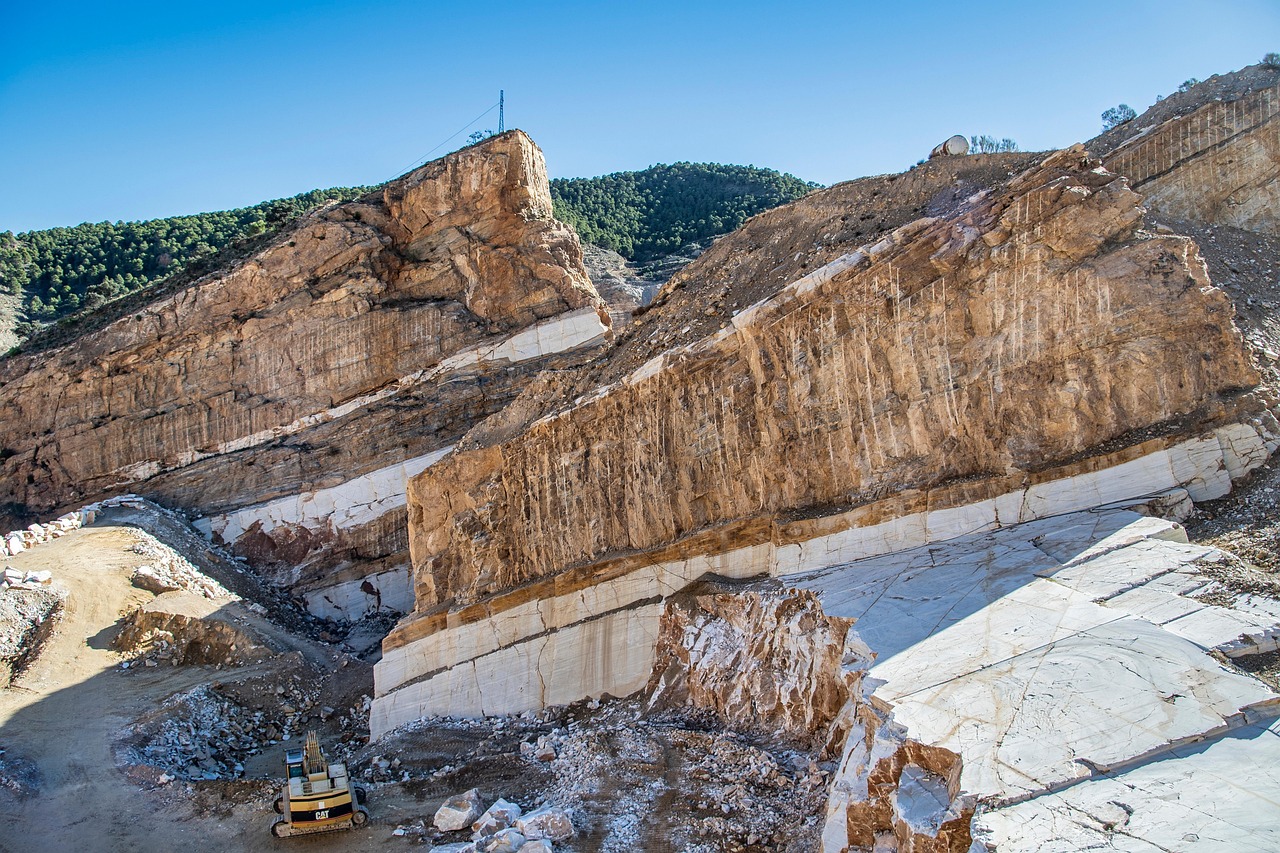
USA Rare Earth is currently developing a rare earths mine in Sierra Blanca, Texas, and a neodymium magnet manufacturing facility in Stillwater, Oklahoma. The magnet plant is expected to begin commercial operations in the first half of 2026, positioning the company as one of the largest U.S.-based producers of neo magnets, a key component used in electric vehicles, wind turbines, and defense systems. The company’s market capitalization currently stands at approximately $3.45 billion.
To support further expansion, USA Rare Earth has engaged Cantor Fitzgerald to lead efforts to raise more than $1 billion in additional equity financing. Neither the White House nor USA Rare Earth has commented publicly on the report, and Reuters noted it was unable to independently verify the details. However, the deal underscores Washington’s growing commitment to rebuilding domestic mineral supply chains and countering China’s dominance in rare earths production.