Top Trump administration officials have called for a global overhaul of asylum protections, urging other nations to adopt stricter migration policies. Speaking at a side event during the United Nations General Assembly in New York, U.S. representatives argued that the current asylum system, based on the 1951 Refugee Convention and the 1967 Protocol, is outdated and widely exploited by economic migrants and criminal networks.
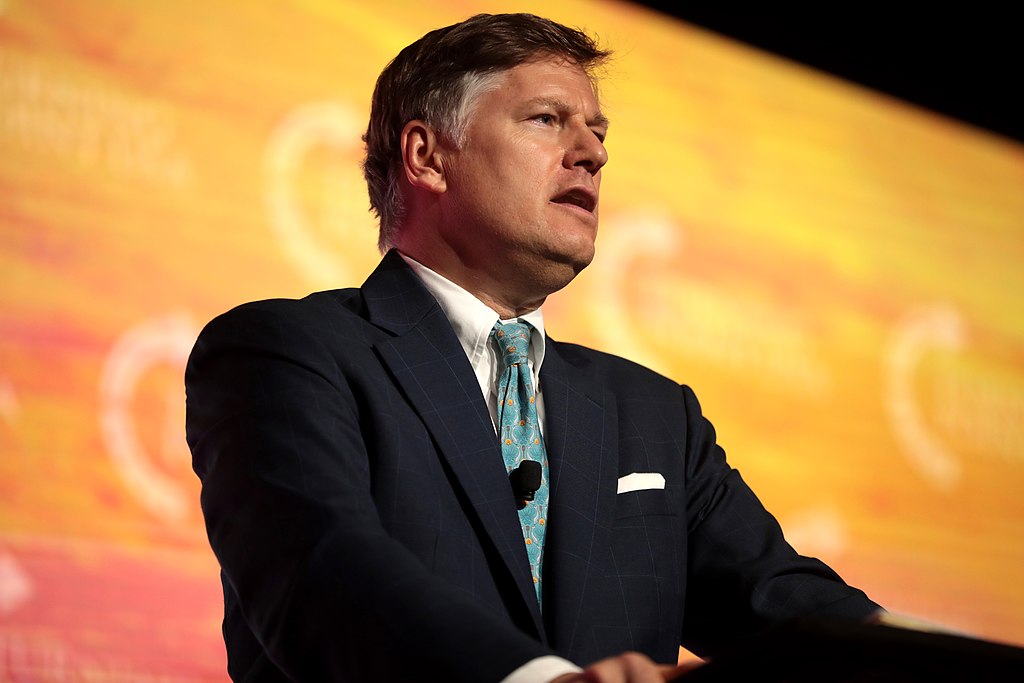
Deputy Secretary of State Christopher Landau emphasized that asylum should not be a matter of choice for migrants. Instead, they should seek protection in the first safe country they enter, and their stay should be temporary, determined by the host nation. Landau described the system as “a huge loophole” that has been increasingly abused.
The proposal, first reported by Reuters, reflects a significant shift in global migration policy. Since taking office, President Donald Trump has enforced tough immigration measures, including the rollback of humanitarian protections for many migrants. The administration now aims to internationalize this approach and rally like-minded governments.
At the event, officials from Bangladesh, Kosovo, Liberia, and Panama joined the discussion. While they did not directly endorse Washington’s proposals, they signaled openness to reforms. Kosovo’s President Vjosa Osmani backed “new, swifter and more agile legal frameworks” to curb abuses of asylum laws, affirming the right of nations to decide who enters their borders.
Spencer Chretien, a senior official at the State Department’s Bureau of Population, Refugees, and Migration, announced that the U.S. would work with other countries in the coming months to draft new asylum principles. He stressed that the initiative is “a call to action” to modernize global refugee policy.
However, the push met resistance. Filippo Grandi, U.N. High Commissioner for Refugees, defended existing accords, noting asylum is an ancient, universal principle that protects lives across cultures and religions. Refugee Council USA also criticized the U.S. approach, warning that abandoning international agreements would erode America’s global leadership.
This debate highlights a growing divide between advocates of stricter border control and defenders of established humanitarian protections, with the future of international asylum law hanging in the balance.