
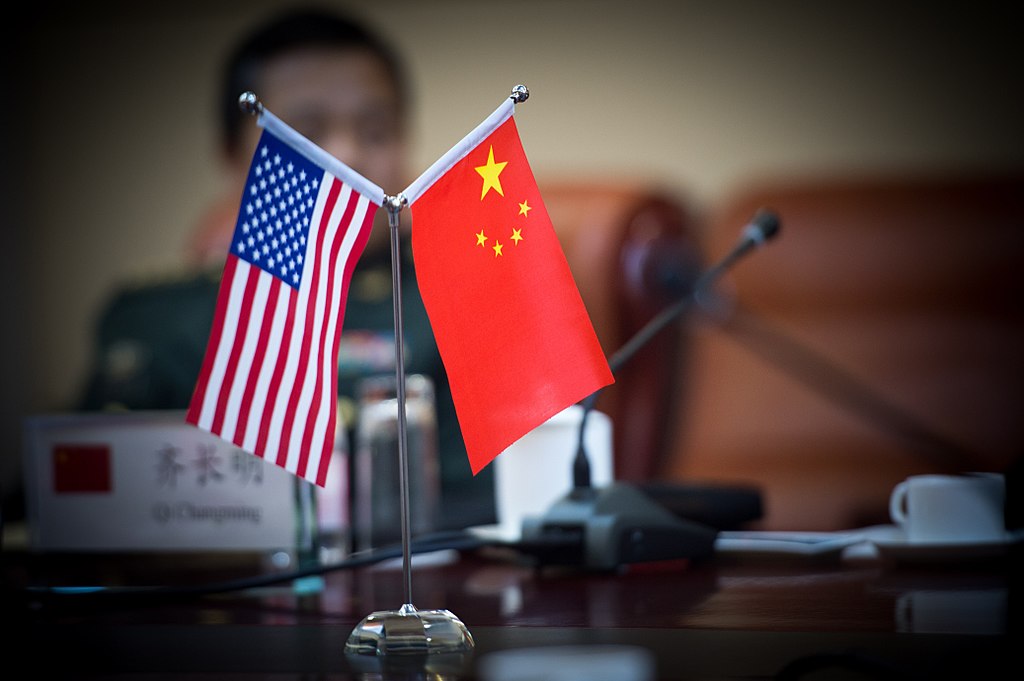
The U.S. State Department dismissed criticism from China’s top diplomat in Hong Kong, who warned Washington’s recently appointed consul general, Julie Eadeh, against what Beijing called interference in the city’s internal affairs.
Cui Jianchun, China’s senior envoy in Hong Kong, said he had lodged “solemn representations” during a meeting with Eadeh, urging her to avoid colluding with so-called anti-China forces. He outlined the “Four Don’ts” for the U.S. diplomat: not meeting with individuals deemed sensitive, avoiding any ties with opposition groups, refraining from supporting activities that could destabilize Hong Kong, and steering clear of national security cases. His statement, published on his office’s website, emphasized China’s demand for strict adherence to international norms of non-interference.
The U.S. response was swift. A senior State Department official reiterated that American diplomats “represent our nation and are charged with advancing U.S. interests globally,” including in Hong Kong. Washington described such duties as standard diplomatic practice, pushing back on Beijing’s attempt to limit its engagement in the territory.
Eadeh, who assumed her post in August, has faced Beijing’s scrutiny before. During the 2019 Hong Kong protests, Chinese state media accused U.S. diplomats of supporting pro-democracy activists. At the time, China released photographs allegedly showing Eadeh in conversation with student leaders, sparking outrage from Washington. The State Department denounced the exposure of a diplomat and their family as “thuggish” and “dangerous.”
This latest clash comes at a delicate moment in U.S.-China relations. With then-President Donald Trump working to finalize a major trade agreement and preparing for talks with Chinese leader Xi Jinping, tensions over Hong Kong add another layer of strain to an already fragile relationship.
The renewed spotlight on Eadeh underscores the geopolitical friction surrounding Hong Kong, where Beijing’s tightening grip has drawn repeated U.S. criticism, while China continues to warn against foreign involvement.


