


 Synthetic data could ease people’s concerns about privacy breaches. But who gets to create it?
  Saudi Arabia Shuts East-West Oil Pipeline After Drone Attack
  US Confirms Weapons in Orbit as Space Tensions Rise
  SEC Seeks ISS Client Voting Records in Proxy Adviser Probe
  DOJ Will Investigate AI-Related Crimes, Attorney General Blanche Says
  Judge Blocks Trump Rule Limiting Foreign Student Visas
  Houthis Escalate Saudi Attacks as Red Sea Oil Risks Grow
  Global Poll Shows Rising Trust in Institutions as US-China Leadership Support Falls
  U.S. Issues Cuba Health Alert as Illnesses Rise
  China’s Global Times Slams Anthropic CEO’s AI Slowdown Plan as ‘Cold War’ Strategy
  Meta Agrees to $18 Billion Settlement, Tightens Teen Social Media Rules
  Who should own the knowledge that underpins AI technology?
  Philippines Holds Historic Bangsamoro Election Amid Tight Security
  US Immigration Arrests Surge as Deportations Lag Behind
  Trump Rejects Calls for Tougher AI Regulation
  OpenAI Rejects Apple Trade Secret Theft Claims
  US Bans Canadian Alcohol, Motorcycles as Trade War Escalates


 Add as a preferred source on Google
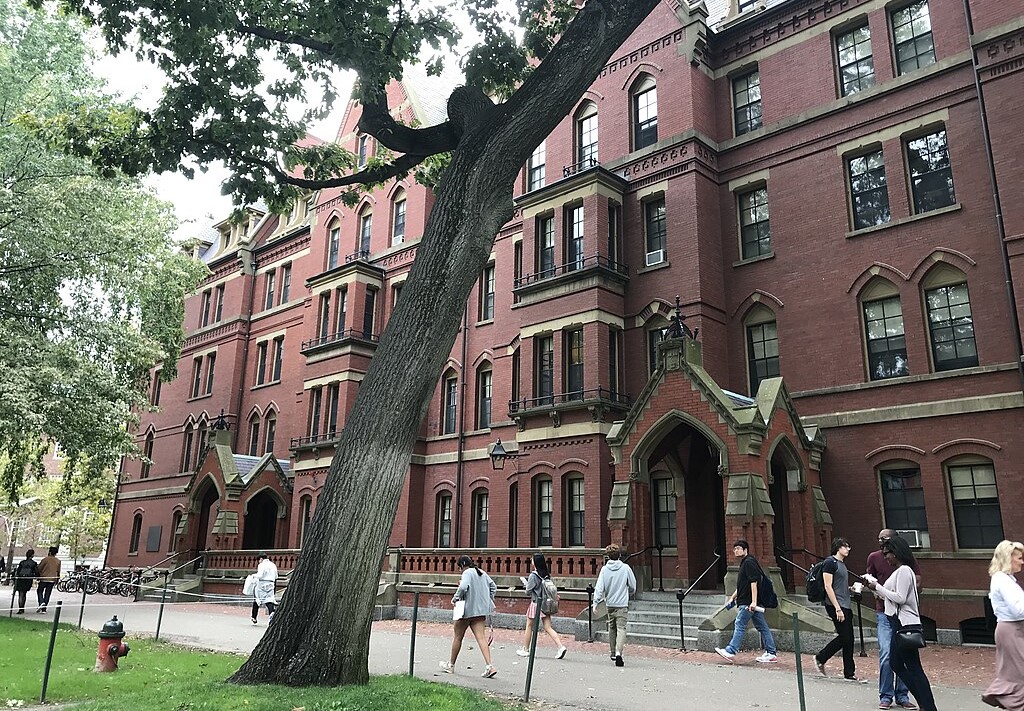
The U.S. State Department has instructed embassies and consulates worldwide to resume processing student and exchange visitor visas for Harvard University, following a federal judge’s temporary block on President Donald Trump’s recent immigration order.
This directive, issued via diplomatic cable on June 6 and signed by Secretary of State Marco Rubio, comes after U.S. District Judge Allison Burroughs in Boston granted a temporary restraining order in favor of Harvard. The order halts Trump’s proclamation from taking effect, citing legal grounds for further review.
Trump’s administration had justified the visa ban on national security grounds, targeting international students planning to study at Harvard, one of the nation’s most prestigious and wealthiest academic institutions.
The move is part of a broader conflict between the Trump administration and Harvard University. The White House has already proposed revoking the school’s tax-exempt status and frozen billions in federal grants, accusing the university of resisting government influence over its governance, academic content, and ideological direction.
Harvard has filed multiple legal challenges, claiming the administration's actions amount to political retaliation. In court, the university has argued that these policies threaten academic freedom and international collaboration.
Despite the visa policy reversal, the State Department emphasized that other rules remain unchanged, including strict vetting of applicants’ social media and online activities. The agency declined to comment further on internal directives.
This ruling marks a temporary but significant legal victory for Harvard and its global student community, allowing visa processing to resume amid broader legal battles over academic autonomy and immigration policy.
The decision is expected to influence similar cases involving other universities and sets a precedent in the ongoing clash between federal immigration policy and higher education institutions.







