
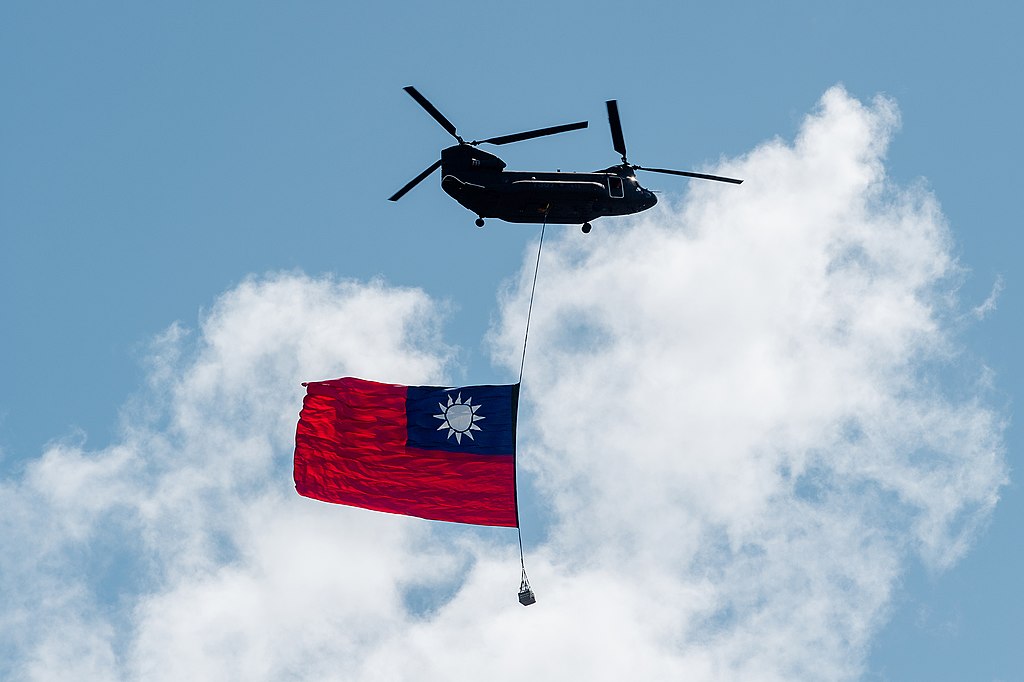
Taiwan independence remains a highly debated issue in global politics, especially as tensions between China and the United States continue to shape international relations. The topic is expected to feature prominently in upcoming diplomatic discussions, including a planned summit between U.S. President Donald Trump and Chinese President Xi Jinping in Beijing.
Taiwan, officially known as the Republic of China (ROC), has a complex history that influences today’s geopolitical landscape. The island was originally inhabited by indigenous communities before being colonized by European powers in the 17th century. It later became part of China’s Qing dynasty and was ceded to Japan in 1895 after a war. Following World War II, Taiwan returned to Chinese control, but political divisions deepened after 1949 when the ROC government relocated to Taiwan after losing the Chinese Civil War to Communist forces.
Today, Taiwan operates as a self-governing democracy with its own military, currency, and political system, effectively functioning as an independent nation. However, its sovereignty is not widely recognized globally. Only a small number of countries maintain formal diplomatic ties with Taipei, while many others, including the United States, uphold unofficial relations under the “One China” policy.
China views Taiwan as a breakaway province and has not ruled out the use of force to achieve reunification. Beijing has proposed a “one country, two systems” framework, though this idea has little support among Taiwanese citizens. Public opinion in Taiwan generally favors maintaining the current status quo rather than declaring formal independence.
Declaring a formal “Republic of Taiwan” would be politically difficult, requiring constitutional changes and significant legislative support. Taiwan’s current leadership maintains that it is already a sovereign state, while China continues to oppose any moves toward official independence.
As geopolitical tensions rise, Taiwan independence remains a critical issue influencing global markets, security policies, and international diplomacy.


