


 Brazil Warns EU of Retaliation Over Animal Products Ban
  Europe can’t achieve space sovereignty alone. Here’s why
  FDA Names Permanent Drug and Biologics Center Chiefs
  US Judge Dismisses Imran Ahmed Deportation Lawsuit
  What is Zionism? The different meanings of a contested term
  Takaichi-Backed Koja Wins Okinawa Governor Race
  New Zealand Moves to Ban Social Media for Children Under 16
  Global Poll Shows Rising Trust in Institutions as US-China Leadership Support Falls
  US Immigration Arrests Surge as Deportations Lag Behind
  China’s Global Times Slams Anthropic CEO’s AI Slowdown Plan as ‘Cold War’ Strategy
  U.S. Imposes New Visa Restrictions Over South Africa Policies
  Judge Blocks Trump Rule Limiting Foreign Student Visas
  SEC Probes Banks Over Situational Awareness Hedge Fund Collapse
  Houthis Escalate Saudi Attacks as Red Sea Oil Risks Grow
  Vietnam, U.S. Firms Plan 29 Deals Across Energy, Tech and Aviation
  US Confirms Weapons in Orbit as Space Tensions Rise


 Add as a preferred source on Google
The United States has imposed new sanctions on key commanders of armed groups involved in the ongoing conflict in eastern Democratic Republic of Congo (DRC), underscoring Washington’s efforts to support peace and stability in the region despite continued violence.
On Tuesday, the U.S. Treasury Department announced sanctions against John Imani Nzenze, the intelligence chief and commander of the M23 rebel group, and Gustave Kubwayo, a senior commander of the Democratic Forces for the Liberation of Rwanda (FDLR). U.S. officials accused both leaders of contributing to the prolonged conflict that has fueled a severe humanitarian crisis in eastern Congo.
The eastern DRC has remained a hotspot of violence for years, with clashes involving the M23 rebels and the FDLR militia. The United Nations has repeatedly stated that Rwanda supports the M23 movement, an allegation Kigali continues to deny. Meanwhile, the FDLR, a Hutu militia with roots linked to the 1994 Rwandan genocide, remains active in the region and has been involved in armed confrontations with rival groups.
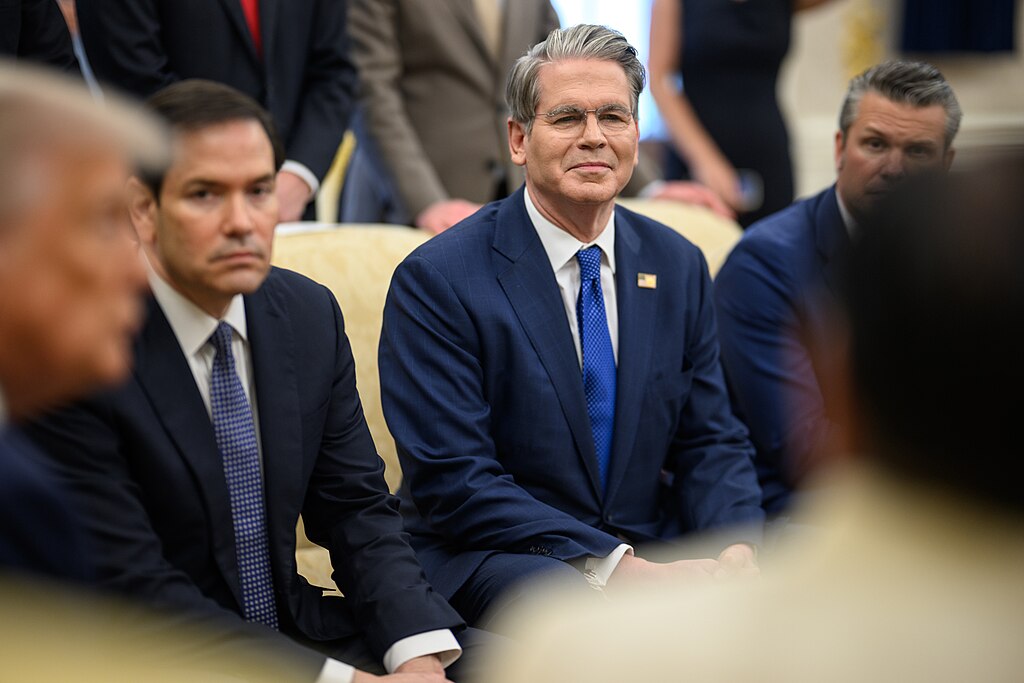
According to U.S. Treasury Secretary Scott Bessent, the sanctions align with President Donald Trump’s objective of helping resolve the conflict in eastern Congo. Bessent said the continued actions of armed groups have worsened an already critical humanitarian situation and pose broader regional security concerns.
The sanctions come months after Rwanda and the Democratic Republic of Congo signed a U.S.-brokered peace agreement in Washington. The deal was part of broader efforts to encourage stability and attract significant Western investment to the region.
However, tensions quickly resurfaced after the signing ceremony. M23 fighters advanced into the eastern Congolese city of Uvira near the Burundi border, marking one of the most significant escalations in recent months. The rebels later withdrew following diplomatic pressure from the United States.
Despite ongoing mediation efforts and international engagement, fighting in eastern Congo continues, highlighting the challenges facing long-term peace initiatives in one of Africa’s most volatile regions.







