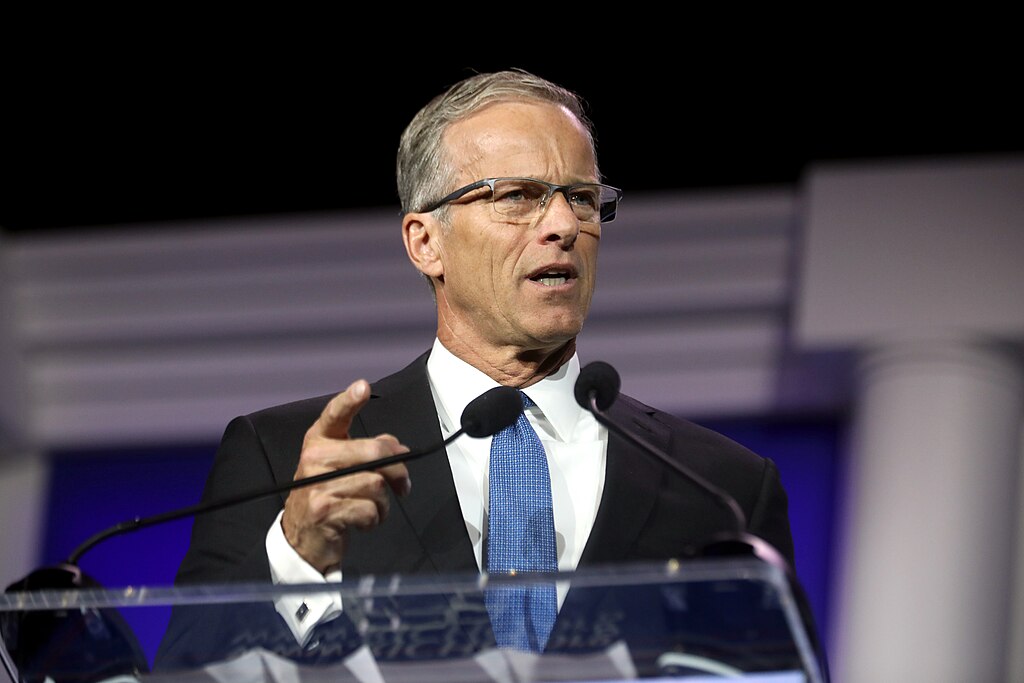
The U.S. Senate may soon advance a bipartisan bill to impose sweeping sanctions on Russia and any countries trading with it, aiming to escalate pressure amid the ongoing war in Ukraine. Senate Majority Leader John Thune (R-SD) announced that the chamber is prepared to act within the month, potentially before the July 4 recess, as talks continue with the White House.
The proposed legislation, led by Senator Lindsey Graham (R-SC) and Senator Richard Blumenthal (D-CT), has already secured support from 82 senators. It targets Russia’s key revenue sources—oil, gas, uranium, and other exports—by imposing 500% tariffs on any country continuing to purchase them. China and India, which together account for about 70% of Russia’s energy exports, would be significantly affected.
Thune emphasized that the bill complements ongoing peace negotiations, stating, "We’re working with the White House to ensure the timing and content of the bill align with their diplomatic efforts." Despite President Donald Trump’s concern that harsh sanctions could derail peace prospects, Senate leaders believe stronger measures could push Moscow toward serious negotiations.
Senator Graham described the sanctions as “bone-breaking,” warning they would be enforced if Russia resists talks or violates Ukraine’s sovereignty again after any deal. This rare moment of bipartisan unity in Congress highlights growing frustration with Russia’s aggression and impatience with delays in securing a resolution.
To become law, the bill must pass both chambers and receive Trump’s signature. However, there has been no signal from House Republican leaders about scheduling a vote, leaving the bill’s fate uncertain.
The Senate’s push reflects a shift toward more aggressive economic warfare to end the three-year conflict in Ukraine and hold Russia and its allies accountable.