


 Trump Says He Deserves 2026 Nobel Peace Prize Despite Uncertain Chances
  Saudi Airport Attacks Kill Three as Yemen Fighting Escalates
  Trump Backs Florida Golf Course as Presidential Retreat
  Maduro, Wife May Face New US Torture Charges
  EU Rejects Italy, Greece Calls for Fiscal Rule Flexibility
  US Pressures Allies to Distance From Anti-Disinformation Conference
  Saudi Arabia Probes Flydubai Cockpit Attack
  US Charges Maduro and Wife With Torture Conspiracy
  US Suspends Microsoft, Adobe From Green Card Program
  Tsai Warns of China’s Sustained Pressure on Taiwan
  Zelenskiy Criticizes US as Russian Strikes Kill 78 in Ukraine
  Italy Approves Electoral Reform Ahead of 2027 Election
  US-Led Coalition Targets Global Factory Overcapacity
  RFK Jr. Launches Nationwide Vaccine Safety Review
  ICC Rules Duterte Fit to Stand Trial in Drug War Case
  Zelenskiy Slams US Over Deadly Russian Strikes on Ukraine
  Berlin Coalition Talks Advance After Left Party Antisemitism Deal


 Add as a preferred source on Google
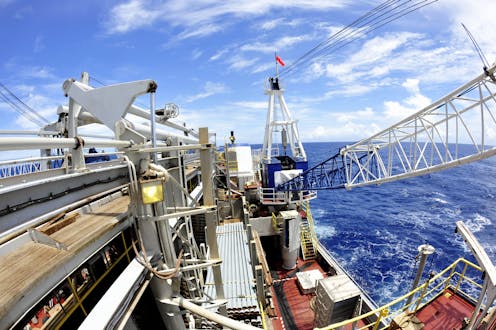
A U.S. special operations team operating in the Indian Ocean recently carried out a high-risk maritime raid that resulted in the seizure of military-related components from a vessel traveling from China to Iran, according to a report by the Wall Street Journal citing U.S. officials. The operation, which took place last month, highlights ongoing U.S. efforts to disrupt weapons supply chains linked to Iran amid heightened regional and global security concerns.
According to officials familiar with the matter, U.S. forces boarded the ship several hundred miles off the coast of Sri Lanka. During the raid, the team discovered cargo that included components potentially usable in Iran’s conventional weapons programs. One U.S. official stated that while the items were not complete weapons systems, they were considered militarily significant due to their possible application in enhancing Iran’s defense capabilities. After the seizure, the confiscated materials were destroyed to prevent further proliferation.
The vessel itself was not detained long-term. Following the inspection and seizure of the cargo, U.S. forces allowed the ship to continue on its voyage. Details about the ship’s ownership, flag state, and the precise nature of the components seized were not publicly disclosed, reflecting the sensitive nature of the operation and broader intelligence considerations.
This incident underscores growing concerns among U.S. officials about China-to-Iran supply routes and the transfer of dual-use materials that could bolster Iran’s military infrastructure. The raid also reflects Washington’s continued reliance on special operations forces and naval assets to enforce sanctions, counter illicit arms trafficking, and maintain security across critical maritime corridors such as the Indian Ocean.
The U.S. has repeatedly accused Iran of seeking to expand its conventional and asymmetric military capabilities despite international scrutiny and sanctions. Interdictions like this one are seen as part of a broader strategy to limit Tehran’s access to materials that could be used for weapons development, while also signaling U.S. resolve to monitor and disrupt suspicious maritime activity far from its own shores.
As geopolitical tensions persist across the Middle East and Indo-Pacific regions, such operations are likely to remain a key tool in U.S. counterproliferation and maritime security efforts.







